Swiss voters approved the mutilation of cows
Many found the cause sympathetic, yet a majority could not be won over. The electorate rejected the Horned Cow Initiative on Sunday with 54.7 percent voting No. Around 187’300 voters said No, while 159’200 cast a Yes vote. The initiative also failed to achieve the required majority of cantons. At least 12 cantonal votes are needed for a constitutional amendment; the Horned Cow Initiative secured only


Many found the cause sympathetic, yet a majority could not be won over.
The electorate rejected the Horned Cow Initiative on Sunday with 54.7 percent voting No. Around 187’300 voters said No, while 159’200 cast a Yes vote. The initiative received its strongest support in urban cantons. In Geneva, it achieved 59.9 percent Yes votes, and in Basel-City 56.8 percent.
Yet in areas where cattle are actually kept, the population tended to vote No. In Fribourg, the share of No votes was 66.2 percent; in Appenzell Innerrhoden, 66 percent.
A modest contribution
The initiators proposed an annual subsidy of 190 francs per horned cow and 38 francs per goat. Swiss farmers dehorn around 200’000 calves every year. 90% of all cows in Switzerland no longer have horns.
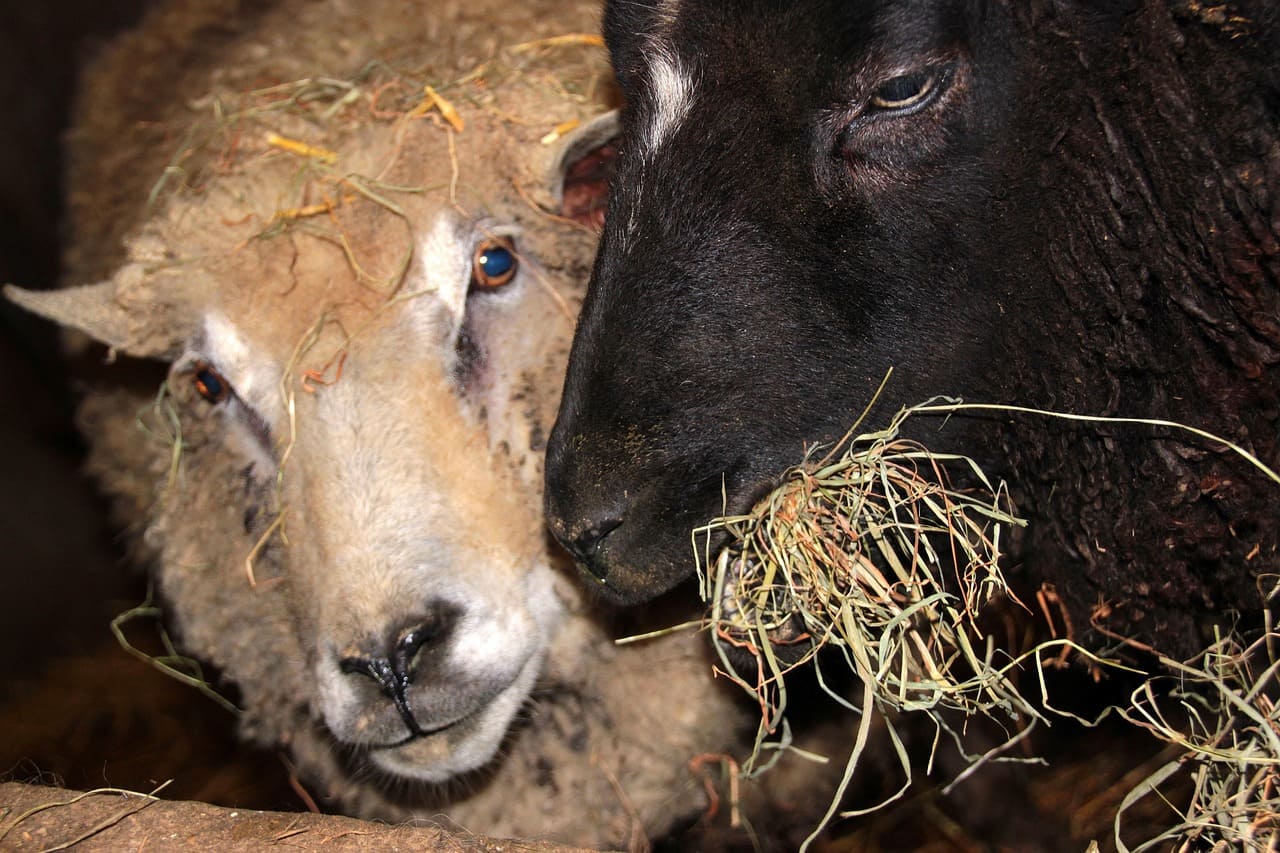
Nature created cows with horns, argued mountain farmer Armin Capaul in support of his initiative. Humans, he said, have no right to mutilate animals.
Safety in the barn
For opponents, however, there are valid reasons for dehorning. Horns serve not only as head ornaments but also as weapons. In free-range barns, horned cows require more space, which can cause additional costs running into six figures.
Agriculture Minister Johann Schneider-Ammann warned of an own goal for animal welfare: animals with horns would increasingly be kept in tie stalls again due to the risk of injury. More on animal rights.
More on the subject of recreational hunting: What the research says about this is shown by Hunting fact-checked: the state of research.
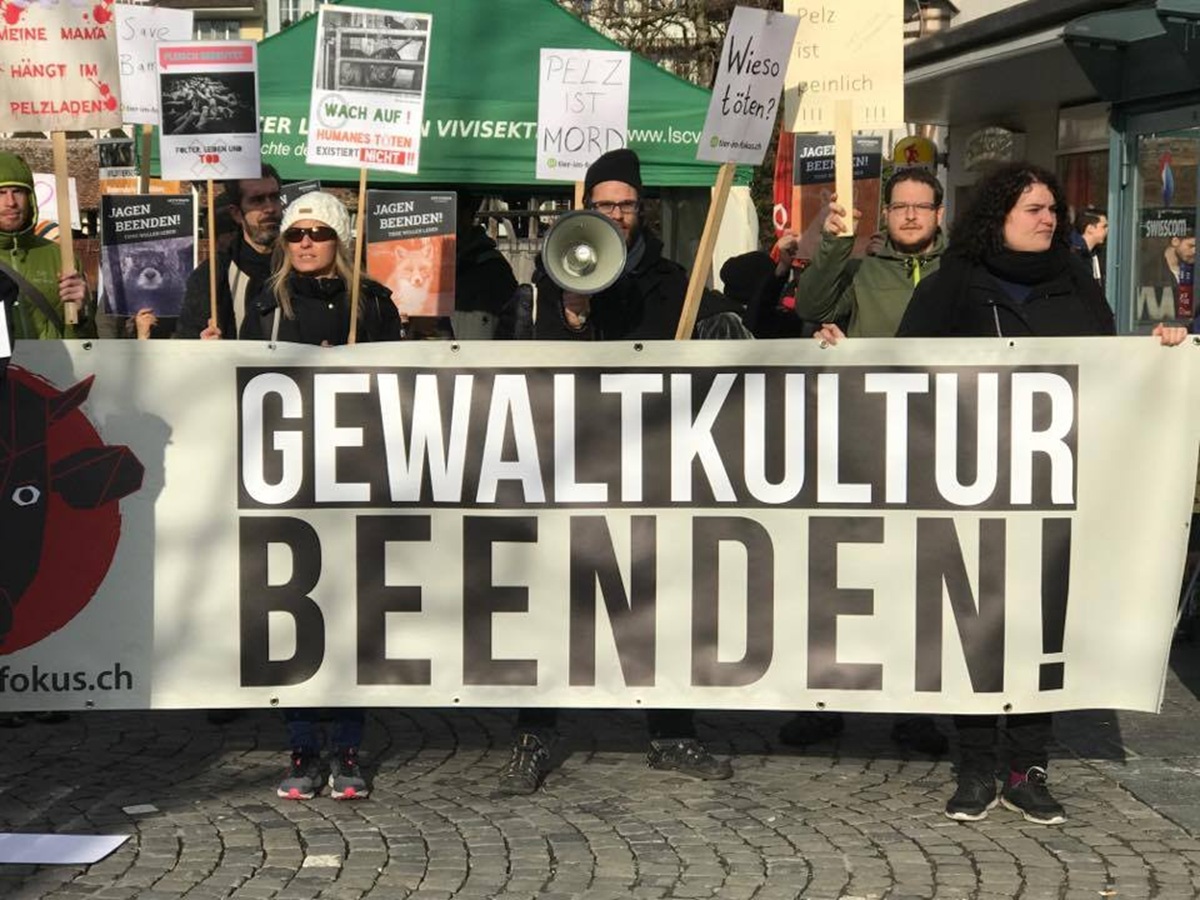
The position of IG Wild beim Wild: IG Wild beim Wild rejects recreational hunting. Our model is the canton of Geneva, which has managed without recreational hunting since 1974: without hunting seasons, without hunting dogs, without driven hunts, without high seats, without the animal cruelty and crime that go hand in hand with hunting season elsewhere. What has worked there for over fifty years disproves every position paper by JagdSchweiz. An association that bases its policy on claims it refutes in its own documents is not a professional organisation, but a factory for misinformation.