Special Hunts and the Limits of Recreational Hunting
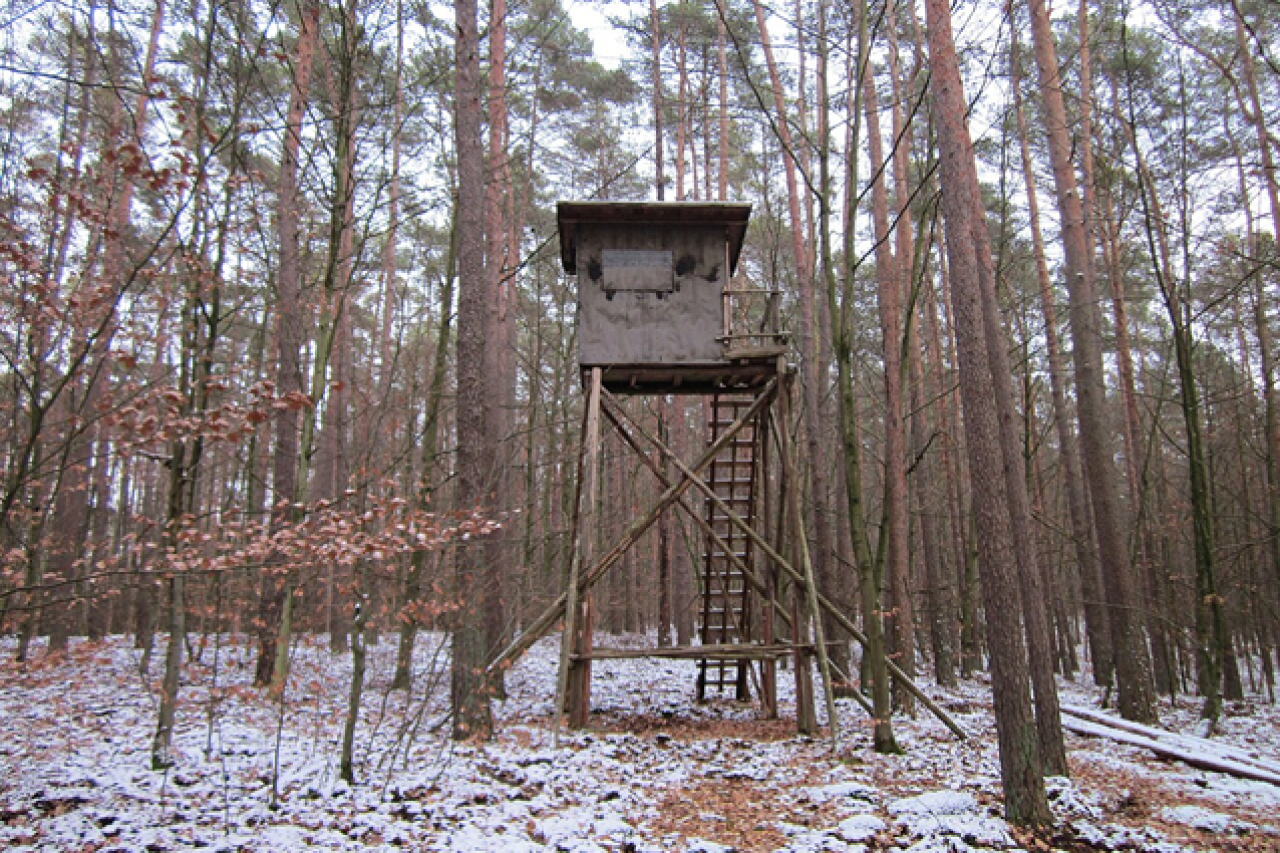
The 2025 hunting season brings a marked increase in special hunts across several Swiss cantons. While authorities consider recreational hunting necessary to regulate allegedly “overpopulated” wildlife and protect forests, IG Wild beim Wild sharply criticises this approach.

Official hunting policy continues to ignore natural regulators such as the wolf, follows economic interests, and in doing so endangers biodiversity as well as consumer health.
In the canton of Grisons, 3’432 red deer and 2’502 roe deer were shot during the 2025 main hunting season — a result slightly above the 20-year average. The canton describes the outcome as a success; nevertheless, it sees itself compelled to declare the annual, brutal and cruel special hunt in November and December.
Objectives of the Special Hunt
For the 2025 special hunt, the Grisons hunting authority plans to kill 1’711 female red deer and their calves, 281 roe deer and 10 chamois. The cull figures for red deer are lower than the previous year because the red deer population has been slightly declining since 2020; however, more roe deer are to be shot than in 2024, as too many bucks were taken during the main hunting season. For wild boar there are no upper limits whatsoever — they may be hunted year-round on account of alleged damage to agriculture and forests. Wild boar are the gardeners of the forests; they are hunted there so that they may cause damage on agricultural land.
Officially, this “management” serves the purpose of forest regeneration; forest communities are to be protected from browsing by excessive numbers of ungulates. Critics argue, however, that despite partly declining populations the authorities continue to demand high quotas and extend the hunting season with special hunts. The picture is reminiscent of forestry that treats the forest as a timber plantation and disregards natural processes.
Laws That Facilitate Special Hunts
Since December 2023, the revised Swiss Hunting Act has permitted the proactive regulation of wolf populations: cantons may massacre up to two thirds of wolf pups in a pack between September 1 and January 31, provided the federal government consents and herd protection measures have been introduced. In 2024/25, over 100 wolves have already been massacred in this way; in Graubünden alone, 47 wolves fell victim to the massacre. The Council of States also called in September 2025 for hobby hunting of wolves to be permitted in nature reserves and hunting ban areas in future.
At the same time, a new Hunting Act came into force on February 1, 2025, which, following massive criticism from animal welfare organizations, prohibits the use of lead-containing bullet ammunition. A transitional period until 2029 applies for calibres above 6 mm. The Federal Food Safety Office confirms that lead accumulates in wild meat and is particularly dangerous for children and pregnant women.
Criticism of Hunting
Many cantons justify special hunts on the grounds of “overinflated wildlife populations,” yet this problem is often self-inflicted. The hunting structure favours male trophy carriers, while females and young animals are spared. This causes birth rates to rise and creates a gender imbalance, which in turn is used to justify higher culling quotas. The fact that “regulated” populations continue to grow shows that recreational hunting creates its own problems — a classic vicious cycle.
In Graubünden, despite record culls during the main hunting season, the shooting targets are not being met. Hobby hunters are struggling to fulfil the hunting requirements and are now resorting to special hunts. At the end of October, the canton published a recorded telephone announcement explaining that the special hunt would take place on November 8 and 9 in regions such as Mesolcina-Calanca, Davos, and Bergün-Filisur. This demonstrates that the hunting season is continually expanding, to the detriment of wildlife, which can barely recover.
Wolves as Natural Regulators
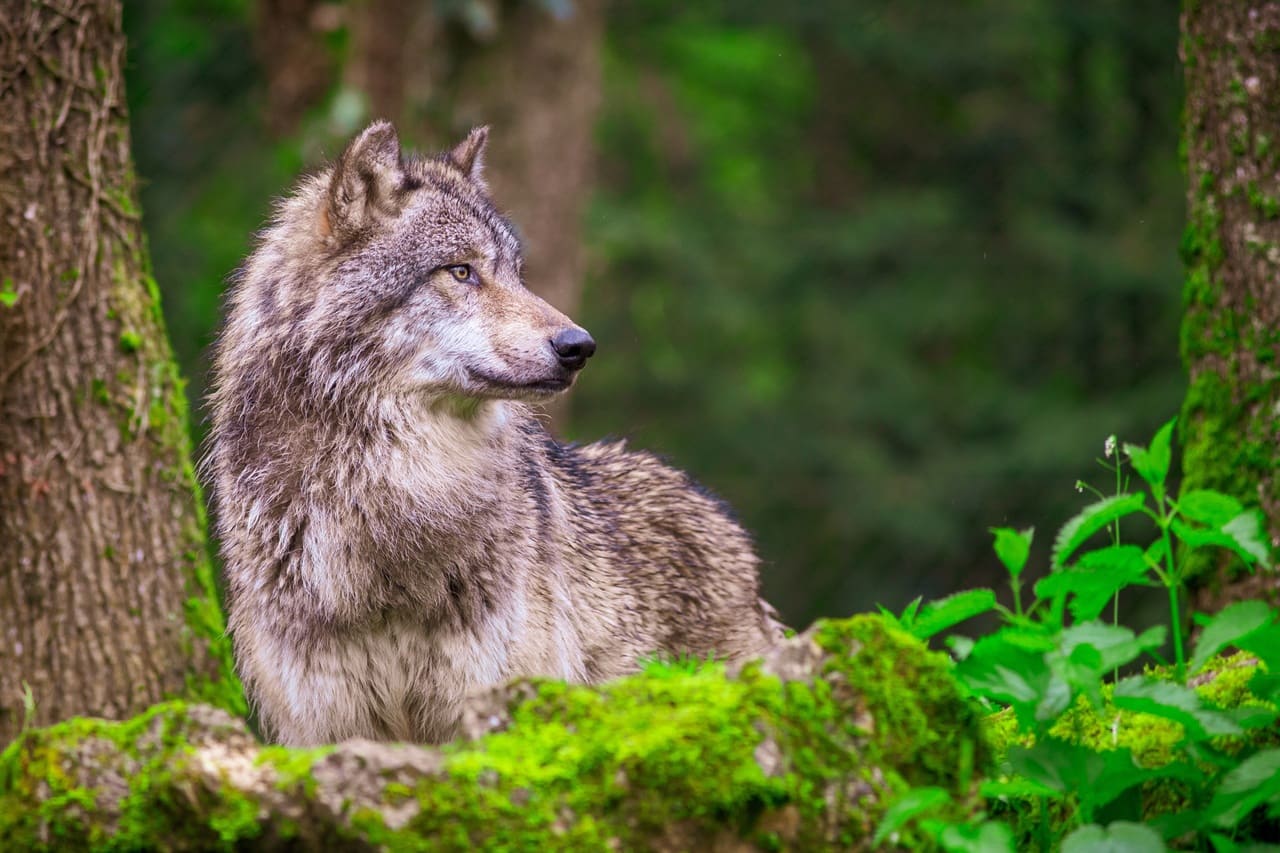
Scientific studies show that wolves are the most effective regulators of ungulate populations. In Germany, a study analyzed over 3,000 wolf scat samples; more than 96% of prey remains came from roe deer, red deer, and wild boar, while livestock accounted for less than 1%. A study from the USA demonstrated that the return of wolves to Wisconsin reduced wildlife-related road accidents by 24%. Approximately 6% of this decline was attributable to a reduction in deer numbers; the majority occurred because animals avoided roads and a "landscape of fear" emerged. Wolves thus not only contribute to reducing wildlife damage such as that to protective forests, but also enhance public safety.
By preying primarily on old, weak, or sick animals, wolves improve the genetic fitness of wildlife populations. Human recreational hunters, by contrast, leave no natural selection but instead promote detrimental developments — for example, by shooting high-trophy males that carry the best genes. Nevertheless, many cantons want to "regulate" wolves or even exterminate entire packs. The EU Parliament downgraded the wolf population across Europe in May 2025 from "strictly protected" to "protected"; this reclassification offers member states greater latitude to hunt. Environmental organizations criticized this decision as an "attack on nature" and warned that it would harm the species' ongoing recovery. Despite the downgrading, a favorable conservation status must be maintained.
Lead ammunition – a health risk
The use of lead-containing ammunition has serious consequences for both humans and nature. Germany's Federal Institute for Risk Assessment warns that lead causes damage to blood formation and the nervous system and accumulates primarily in the bones; children and unborn infants are particularly at risk. Tests conducted by the Swiss animal welfare organization STS revealed that five out of 13 game meat samples were contaminated with lead; two of these exceeded the permissible limits for domestic meat by two to four times. Despite these findings, Switzerland only introduced a ban on lead bullet ammunition in 2025, and even this ban allows for exceptions until 2029.
Added value:
- Game meat: Natural, healthy — or dangerous?
- Game meat from hobby hunters? — Carrion on the plate!
- According to studies, there are health risks in the context of consuming game meat
- Nutrition: The civilized palate
- Game meat from hunters is carrion
- Game meat cannot be organic
- Meat from wild animals is not organic game
- Dementia: How harmful is venison?
- Venison makes you sick
- Lead residues in game meat products
- Game meat: risks, lead and hunting myths
- Caution: Warning about game meat from hobby hunters
- Hunters also lie when selling meat
Not only consumers are affected: lead fragments in the carcass are ingested by scavengers such as foxes or birds of prey, causing poisoning. Furthermore, lead enters the food cycle through soil and water. With the introduction of lead-free ammunition, practical alternatives exist; however, many hobby hunters refuse to switch because they consider lead ammunition “more effective.” This is consistent neither with the current state of the art nor with responsible stewardship of nature and health.
Disruptive hunting and recreational noise
Hunting pressure and recreational noise have considerable impacts on wildlife. A 2024 study by the U.S. Forest Service showed that wildlife fled 3.1 to 4.7 times more frequently in response to noise from human activities and remained vigilant for longer periods afterwards; after one week in a noise-affected area, animal density was 1.5 times lower compared to the control area. Intensive hunting extends this disturbance into the winter period, depriving animals of vital recovery phases. This stands in conflict with the principle enshrined in the Federal Constitution of sparing animals suffering and stress.
Alternatives to hunting policy: forest ecology and herd protection
The notion that only intensive hobby hunting can protect the forest overlooks the role of natural predators. Wolves and lynxes not only regulate wildlife densities but also alter the behaviour of prey animals: roe deer and red deer avoid risk zones and allow young trees to grow. From experience in North America and Europe, we know that the return of large predators can trigger a “trophic cascade” that enables vegetation to recover and promotes biodiversity.
Herd protection instead of wolf hunting
The increasing wolf culls are mostly based on conflicts with livestock. But the statistics show: In 2025, 832 livestock fell victim to wolves in Switzerland. 37 fewer than the previous year. At the same time, 101 wolves were killed, barely changing the population of 300. Modern herd protection measures (e.g. electric fences, livestock guardian dogs) have made a decisive contribution to reducing losses, even before the proactive massacre. Organizations such as the Swiss Sheep Breeders Association nevertheless demand even more culls, even though the problem is primarily caused by a lack of herd protection.
Forest-Ecological Hunting or Hunting-Free Zones?
An ecologically oriented forest policy should restrict hobby hunting to a minimum, in favor of natural processes. Some cantons are experimenting with hunting-free zones, in which wildlife populations develop without human intervention. In these areas, intact social structures, lower birth rates and less forest damage are evident. When forestry is simultaneously managed in a nature-friendly way, stable forest-wildlife systems develop — an approach that IG Wild beim Wild has been advocating for years.
The special hunts of 2025 reveal how far official hunting policy has strayed from ecological and ethical animal husbandry. Despite declining populations actively aided by predators, culling plans are being increased, the hunting season extended, and wolves even shot in protected areas. All ammunition used by hobby hunters contaminates meat and the environment; noise and hunting pressure cause lasting disturbance to wildlife. The data shows that wolves and other predators regulate wildlife populations more effectively and reduce human conflicts, while herd protection measures minimize livestock losses.
A forward-looking wildlife policy should therefore rely on natural regulators, immediately ban lead ammunition, halt special hunts, and shape forest management in such a way that biodiversity and animal welfare take precedence over trophy hunting and economic interests. Only in this way can we protect people, nature, and animals in the long term.
Further Articles
- Wolves Under Constant Fire: How Swiss Hunting Policy Ignores Science and Ethics
- Protective Forest: Hobby Hunting Creates Problems It Claims to Solve
- The Wolf Is Not the Problem – It Is the Solution
- Forest Conversion: Pathways to Resilient Mixed Forests in the Face of Hunting
- Forest Conversion at the Lukmanier Pass
- Hunting Is Not the Solution for Forest Conversion
- Hobby hunters do not help forest conversion
- The conflict between forestry, hunting and wildlife