Caution: Warning About Game Meat from Recreational Hunters
More and more people are losing their appetite for game meat.

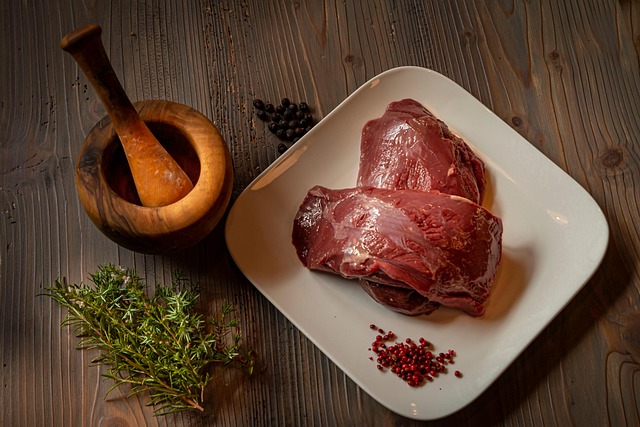
There are several reasons why purchasing or consuming game meat from recreational hunters is inadvisable – and these are often related to health, environmental protection, and animal welfare.
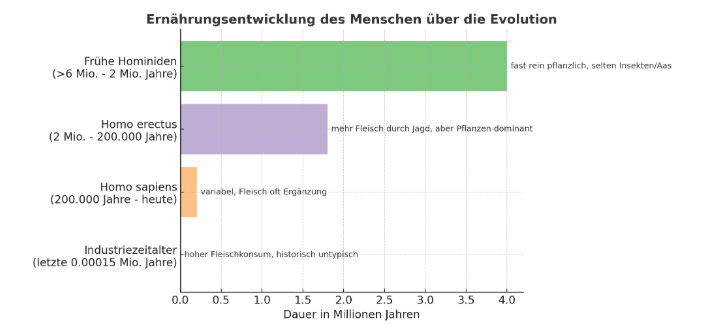
In 99% of human history, meat was more of a supplement than a staple of the diet. Evolutionarily, we are not carnivores but have a distinctly plant-based disposition. A life imposed against one’s genetics, as well as against the signalling mechanisms of the informal network, has drawbacks and promotes disease.
The recreational hunters, however, struggle to correctly contextualise even the most basic natural and scientific relationships. Yet another indication that the so-called “Green Baccalaureate” is built on sectarian and unscientific foundations.
Game meat can contain various biological and chemical hazards:
1. Health Risks
- Parasites & Pathogens: Wild animals can carry trichinella, toxoplasma, salmonella, or other zoonoses (diseases transmissible to humans).
- Heavy Metal Contamination: Particularly in game from regions where pollutant-laden or lead-based ammunition is used, the meat may contain lead, which is especially problematic for children and pregnant women.
- No Veterinary Inspection: Unlike meat from livestock farming, freely hunted game is not examined for diseases in a slaughterhouse.
- Game meat often contains high levels of purines, which is problematic for people suffering from gout.
- Cholesterol levels are similar to those of other meats, but are relevant for individuals at risk of cardiovascular disease.
- In reality game meat is frequently contaminated with ammunition residues, pathogens, or pollutants, posing health risks. Chronic lead ingestion can damage the nervous system, kidneys, cardiovascular system, and particularly brain development in children. The particles are often invisible to the naked eye and are not rendered harmless by cooking or freezing.
- Wild boar in particular are frequently infected in Central Europe with pathogens that can be dangerous to humans.
- Wild animals absorb PFAS, heavy metals (e.g. cadmium, mercury), or pesticide residues through plants, soils, and bodies of water. Animals from contaminated areas (near industrial sites or intensive agriculture) can have significantly elevated levels of harmful substances.
- Game meat, is not genetically compatible with our original diet and increases the risk of cardiovascular disease, type 2 diabetes, gout, and certain cancers.
- Animal protein and certain fatty acids promote inflammatory processes in the body.
- The high methionine and heme iron content in meat can accelerate aging processes and oxidative damage — an effect that is less pronounced with plant-based diets.
- Our genes have adapted over millions of years to a diet consisting predominantly of plant-based components.
2. Environmental Protection & Biodiversity
- Illegal hunting/poaching: In many countries, the sale of game meat is associated with poaching, which endangers threatened species.
- Ecological imbalances: Excessive recreational hunting can severely decimate local populations and disrupt the balance of ecosystems.
3. Ethical and Legal Aspects
- Unclear origin: Particularly with game meat from recreational hunters or from abroad, it is often impossible to trace where and how the animal was killed.
- Animal suffering: Hunting methods (traps, gunshots, packs of hounds) can be very painful and prolonged for animals, which also enriches the meat with additional harmful substances.
- Mislabelling Sometimes meat is incorrectly labelled or not labelled at all, leading to deception and risks for allergy sufferers or people with special dietary needs. In Switzerland, such incidents occur regularly, particularly in recreational hunter circles.
Common Risks in Game Meat
1. Pathogens
| Disease | Pathogen | Route of transmission | Consequences for humans |
|---|---|---|---|
| Trichinellosis | Roundworms (Trichinella) | Consumption of insufficiently heated meat | Fever, muscle pain, severe inflammation |
| Toxoplasmosis | Toxoplasma gondii (parasite) | Meat, contact with animal blood | Risk for pregnant women (malformations), flu-like symptoms |
| Salmonellosis | Salmonella bacteria | Meat, cross-contamination in the kitchen | Diarrhea, fever, abdominal cramps |
| Echinococcosis | Fox tapeworm | Contact during gutting/raw meat | Severe liver damage, often undetected for years |
| Brucellosis | Brucella bacteria | Contact or consumption | Fever, joint pain, organ damage |
| Rabies | Rabies virus | Contact with infected animal (bite, blood) | Almost always fatal without rapid vaccination |
2. Chemical Contaminants
| Substance | Source | Health hazard |
|---|---|---|
| Lead | Lead-based hunting ammunition | Nerve damage, anemia, developmental disorders in children |
| Cadmium | Environmental pollution (soil, plants) | Kidney damage, bone damage |
| Mercury | Food chain (fish-eating animals) | Nervous system damage |
| Pesticide residues | Via contaminated plants | Hormonal disruption, cancer risk (with chronic exposure) |
3. Further Risks
- Misidentification of species (e.g. protected animal sold as “wild boar”)
- Inadequate cold chain → rapid multiplication of bacteria
- Insufficient cooking → parasites and bacteria survive
What do the authorities say about game meat?
Processed game meat (red meat) is carcinogenic like cigarettes, asbestos or arsenic, states the WHO.
Among game enthusiasts, such as hobby hunters and their families, studies from Switzerland show that these households consume up to 90 portions of game meat per year. The Federal Food Safety Authority considers the situation of recreational hunters and families who eat game meat once or more per week to be a cause for concern.
While copper and zinc are essential for humans, lead is considered highly toxic. Authorities have therefore been advising children, pregnant women and women wishing to become pregnant for years to refrain from consuming meat from game killed with lead ammunition.
According to the University Hospital Bonn, cases of hepatitis E are increasing at an alarming rate. One way of becoming infected is by consuming raw or undercooked game meat. “Since this infection generally follows a harmless course, the health risk posed by the hepatitis E virus (HEV) has so far been underestimated,” warns gastroenterologist Prof. Christian Strassburg of the University Hospital Bonn. In people with severely weakened immune systems, the liver inflammation can become chronic and progress to cirrhosis. In pregnant women, there is a risk of acute, life-threatening liver failure. In both cases, a liver transplant is often the only remaining option.
With game meat obtained directly from recreational hunters, the cold chain is often a critical point – particularly because conditions in the forest or field are not comparable to those in a slaughterhouse.
The Cold Chain
1. Immediately After the Kill
- Rapid field dressing (evisceration) is crucial – and often not possible – to prevent the proliferation of germs.
- Clean working conditions are frequently difficult to maintain – there is no sterile environment, only soil, leaves, insects, and the elements.
- The core temperature of the meat must be reduced as quickly as possible in order to slow the growth of bacteria such as Salmonella or E. coli.
- Legally required (in the EU): cooling to a maximum of +7 °C for furred game (roe deer, wild boar) and a maximum of +4 °C for feathered game – as quickly as possible.
2. Transport
- Professional hunters or game dealers use refrigerated vehicles or game coolers.
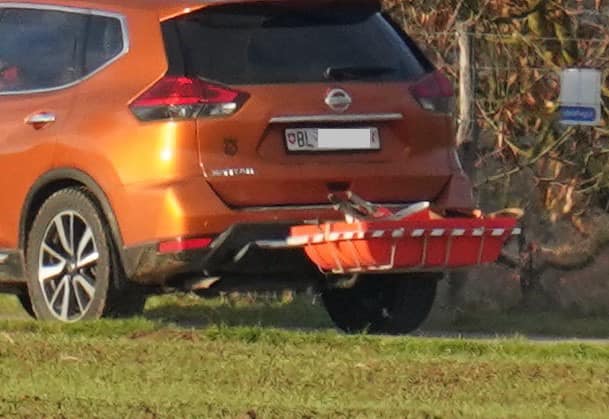
- Many recreational hunters, however, initially transport the game without active refrigeration – often simply in the boot of the car or directly near the vehicle’s exhaust pipe.
3. Storage by Recreational Hunters
- By law, only recreational hunters with the relevant hygiene certification are permitted to store game meat for sale.
- Ideally, this takes place in a game refrigerator or cold room with a temperature log.
- Problem: Some sell or give away meat directly after butchering, without it ever having been stored under controlled refrigeration.
4. Risks of a Broken Cold Chain
- Bacterial growth: Even a few hours at temperatures above 7 °C can dramatically increase bacterial counts.
- Reduced shelf life: Even frozen game meat spoils more quickly if it was stored at warm temperatures before freezing.
- Loss of flavour: Bacterial decomposition causes off-odours to develop more rapidly.
The IG Wild beim Wild warns against game meat because it views it as the product of a system that is a health risk, ecologically questionable, and ethically problematic. It also undermines biodiversity, nature conservation, and species protection. The overconsumption of meat is driving up health insurance premiums.
For over 99% of human history, the diet was predominantly plant-based: fruits, nuts, tubers, seeds, leaves. Accordingly, we do not have teeth like a wolf or lion. We have molars, intestines, stomach acid, enzymes, a digestive system, etc. designed for breaking down plants, and not the pure tearing teeth of predators. Isotope analyses show: in most Stone Age communities, the majority of calories came from plants.
Most importantly, however, dishes made from dead wild animals require spices and days of marinating — after all, who wants the taste of carrion to come through? You are, by the way, not eating something, but someone.
Added value:
- Game meat: Natural, healthy — or dangerous?
- Game meat from recreational hunters? — Carrion on the plate!
- According to studies, there are health risks associated with the consumption of game meat
- Nutrition: The civilised palate
- Game meat from hunters is carrion
- Game meat cannot be organic
- Meat from wild animals is not organic game
- Dementia: How harmful is venison?
- Game meat makes you ill
- Lead residues in game meat products
- Game meat: Risks, lead, and hunting myths
- Caution: Warning about game meat from recreational hunters
- Hunters also lie when selling meat
More on the subject of recreational hunting: In the dossier The Role and Criticism of Recreational Hunters we shed light on the training, power and self-image of recreational hunters. The scientific evidence is presented in the overview Studies on the Effects of Recreational Hunting.
The position of IG Wild beim Wild: IG Wild beim Wild rejects recreational hunting. Our model is the canton of Geneva, which has managed without recreational hunting since 1974: without hunting seasons, without hunting dogs, without driven hunts, without high seats, without the animal cruelty and crime that go hand in hand with hunting season elsewhere. What has worked there for over fifty years disproves every position paper by JagdSchweiz. An association that bases its policy on claims it refutes in its own documents is not a professional organisation, but a factory for misinformation.