Spain introduces video surveillance in slaughterhouses
Spain becomes the first EU country to introduce mandatory video surveillance in slaughterhouses. The cameras are intended to prevent animal cruelty.

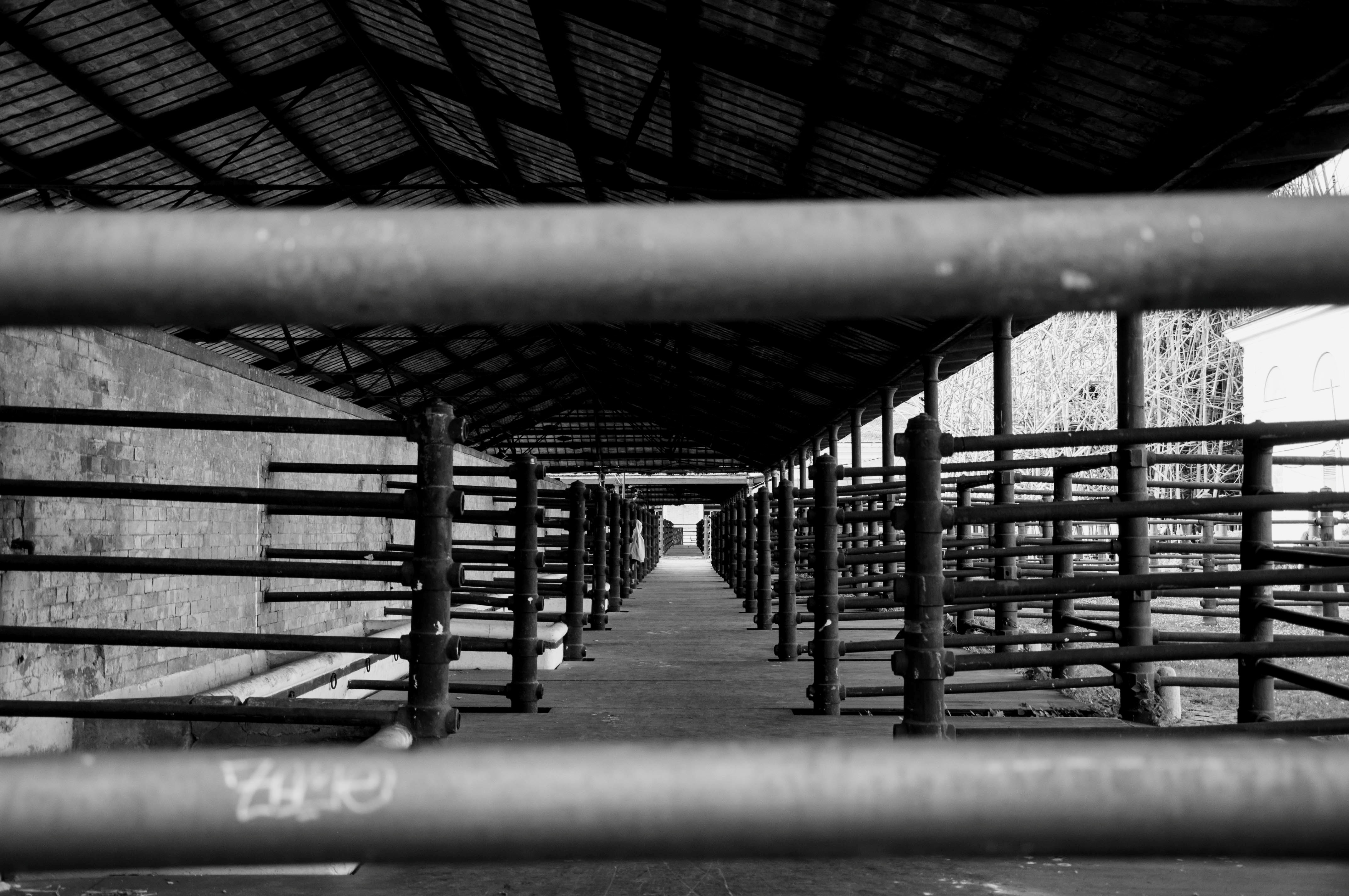
Spanish slaughterhouses are now required to have video surveillance in place to ensure that animals are treated humanely prior to slaughter.
The government in Moncloa announced this new regulation on Tuesday, 23 August 2022, claiming it to be the first of its kind in the European Union.
With this regulation, Spain is taking a pioneering role in Europe in this area. It not only ensures the welfare of animals throughout their journey through slaughterhouses, but also improves food safety guarantees for consumers.
Minister for Consumer Affairs, Alberto Garzón
The measure was approved at Tuesday's cabinet meeting and will now be swiftly submitted to parliament for approval.
It had already been agreed upon with the industry, said government spokesperson Isabel Rodríguez at a press conference.
We will be the first country in the European Union to have a mandatory video surveillance system in slaughterhouses.
Ministry of Consumer Affairs of Pedro Sánchez's left-wing government
Guillermo Moreno, executive director of Equalia, a non-governmental organisation that has campaigned for the reform, said he was satisfied with what he described as «a necessary and important first step towards raising animal welfare standards in slaughterhouses».
He added that England, Scotland and Israel had already introduced the measure in their slaughterhouses.
Slaughterhouse operators must retain footage of unloading, placement in pens, transport to the stunning area, restraint, stunning and bleeding for any subsequent inspections by the competent control authorities. They must also ensure that the footage can be reproduced, copied or transferred to other devices at the same quality as the original recording.
According to the latest data from the Spanish Food Safety and Nutrition Agency (Aesan) on animal welfare inspections in slaughterhouses, 1’626 inspections were carried out in 645 slaughterhouses in 2020, revealing 680 violations.
Large slaughterhouses have one year to implement the new standard, while smaller facilities have two years, according to the ministry.
More on the subject of recreational hunting: The scientific evidence is presented in the overview Studies on the Effects of Recreational Hunting.
The position of IG Wild beim Wild: IG Wild beim Wild rejects recreational hunting. Our model is the canton of Geneva, which has managed without recreational hunting since 1974: without hunting seasons, without hunting dogs, without driven hunts, without high seats, without the animal cruelty and crime that go hand in hand with hunting season elsewhere. What has worked there for over fifty years disproves every position paper by JagdSchweiz. An association that bases its policy on claims it refutes in its own documents is not a professional organisation, but a factory for misinformation.