
Wolf Day on 13 August: No Stockpile Kills
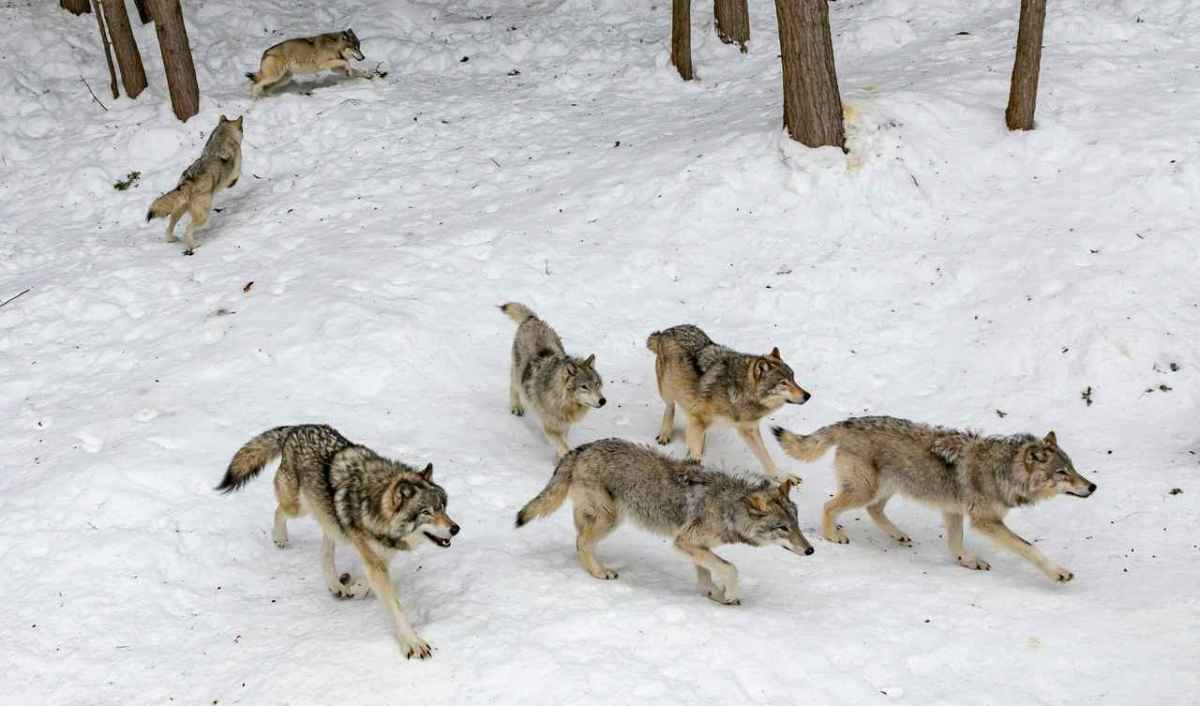
13 August is International Wolf Day. Every year, IG Wild beim Wild uses it to set out its demands on wolf policy in Switzerland (Press release 2025). In 2027 the day again falls shortly before the start of the next regulation period: under current law, the cantons may kill wolves pre-emptively from 1 September to 31 January.
Preventive means that wolves are killed before any damage occurs, as a stockpiling measure. In the 2026/27 period, Grisons alone was granted 61 wolf kills approved. How many wolves were actually killed across Switzerland is documented in the wolf counter by Wild beim Wild, broken down by canton and pack.
The effect of this policy is doubtful. An Italian newspaper calculated that, despite 224 wolves killed, the number of packs in Switzerland has risen from 35 to 40 (Swiss wolf model under criticism). More than 200 scientists warn that kills destroy the social structure of packs and tend to aggravate conflicts rather than resolve them (Why endangered species have no place in the hunting act).
For IG Wild beim Wild, the case is clear: the wolf achieves what recreational hunting has failed to do for decades. Recreational hunting fails when it comes to ungulates, and browsing damage harms the protection forest. The wolf keeps red deer, roe deer and chamois on the move and thus relieves the forest (Wolf: ecological function and political reality). Those who decimate the wolf weaken the protection forest.
IG Wild beim Wild calls on the Confederation and the cantons to refrain from preventive wolf kills in the 2027/28 regulation period, to review summer grazing in wildlife areas, and to enforce herd protection wherever livestock are summered. The model to follow is the canton of Geneva, where recreational hunting has been banned since 1974 and trained state wildlife wardens act where intervention is necessary.
No kills in advance. The wolf is part of the solution.
You can find more background in the dossier Wolf in Switzerland on wildbeimwild.com.