
International Wolf Day
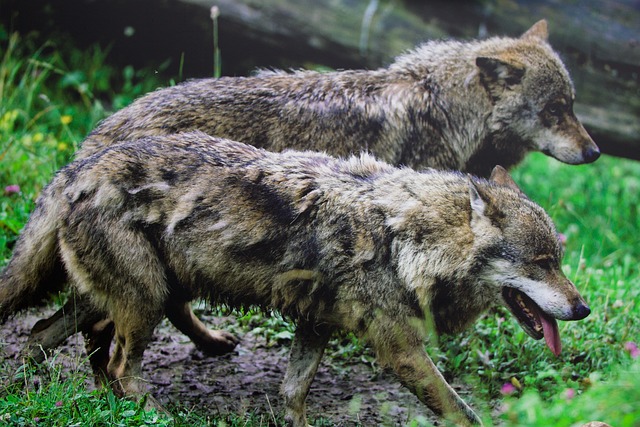
On the occasion of International Wolf Day on August 13, IG Wild beim Wild presents its central demands and positions on the wolf issue in Switzerland.
International Wolf Day is an occasion to raise awareness of the importance of wolves in our ecosystems and promote their conservation. Wolves play an important role in nature by regulating herbivore populations, preserving protection forests, and contributing to biodiversity. Proactive hunting of predators does not prevent livestock attacks.
Coexistence Instead of Confrontation
Its return is a success for nature conservation. The number of livestock attacks can be significantly reduced through consistent herd protection and targeted wildlife management. Only with social acceptance, clear political frameworks, and fair support for livestock farming can coexistence between humans, livestock, and wolves succeed.
History of the Day
International Wolf Day was established to raise awareness of the challenges wolves face, including habitat loss, persecution, and misunderstandings about their behavior. Various organizations and conservation groups organize educational activities on this day to inform people about wolf behavior and support their concerns.
Activities and Events
Various events take place worldwide on this day, such as:
- Educational seminars: Lectures and workshops on the ecological role of wolves.
- Excursions: Guided tours to wolf habitats to observe their behavior and way of life.
- Art and photography competitions: Encouraging artists and photographers to present their perspective on wolves.
International Wolf Day is an important opportunity to engage with the protection and significance of these fascinating animals. Get involved in local initiatives to strengthen awareness for wolf protection and preserve their habitats.
The IG Wild beim Wild demands:
- Livestock protection must be fully supported and financed without bureaucratic hurdles – including materials, labor costs and ongoing expenses.
- Compensation payments for wolf kills must be processed quickly and without complications.
- Livestock protection measures must be standardized, regularly evaluated and supported by professional consultation.
- Problematic wolves that repeatedly overcome proper livestock protection can be removed in individual cases. Blanket, proactive hunting remains excluded.
Scientific findings and international experience show that comprehensive livestock protection plays the key role in reducing livestock kills and that wolf hunting offers no sustainable solution.