Performance agreements with Liechtenstein concluded
Liechtenstein is closely integrated into Switzerland's structures for the management of large carnivores. The two countries have now signed two performance agreements on livestock protection and wolf management.


Liechtenstein is closely integrated into Switzerland's structures for the management of predators. The two countries have now signed two performance agreements on livestock protection and wolf management.
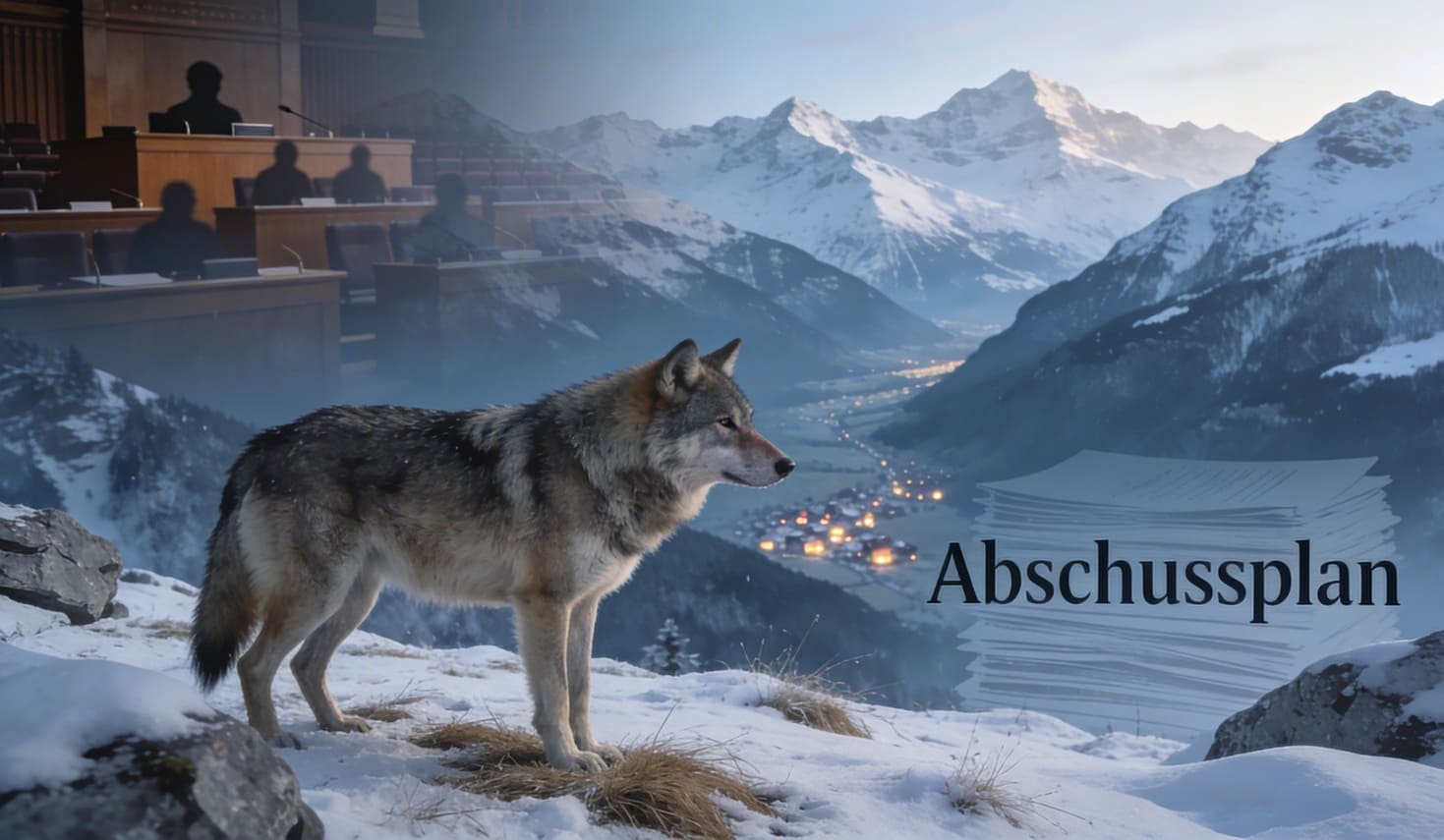
To secure the services provided by Swiss institutions for Liechtenstein and to ensure harmonised implementation in the management of the wolf in particular, the government has concluded two performance agreements with Swiss specialist agencies in connection with livestock protection and wolf management.
Thanks to the protection of residual populations of wolf, bear, and lynx, their numbers have recovered across Central Europe over recent decades. The presence of these predators in human-dominated landscapes harbours conflict potential between people, livestock, and wildlife due to a wide variety of competing land-use interests.
Minimising areas of conflict
Professional management of predators includes objective public information, advisory services for the affected groups, and international cooperation, with the aim of minimising areas of conflict and ensuring the coexistence of people with native wolves, lynxes, bears, and golden jackals.
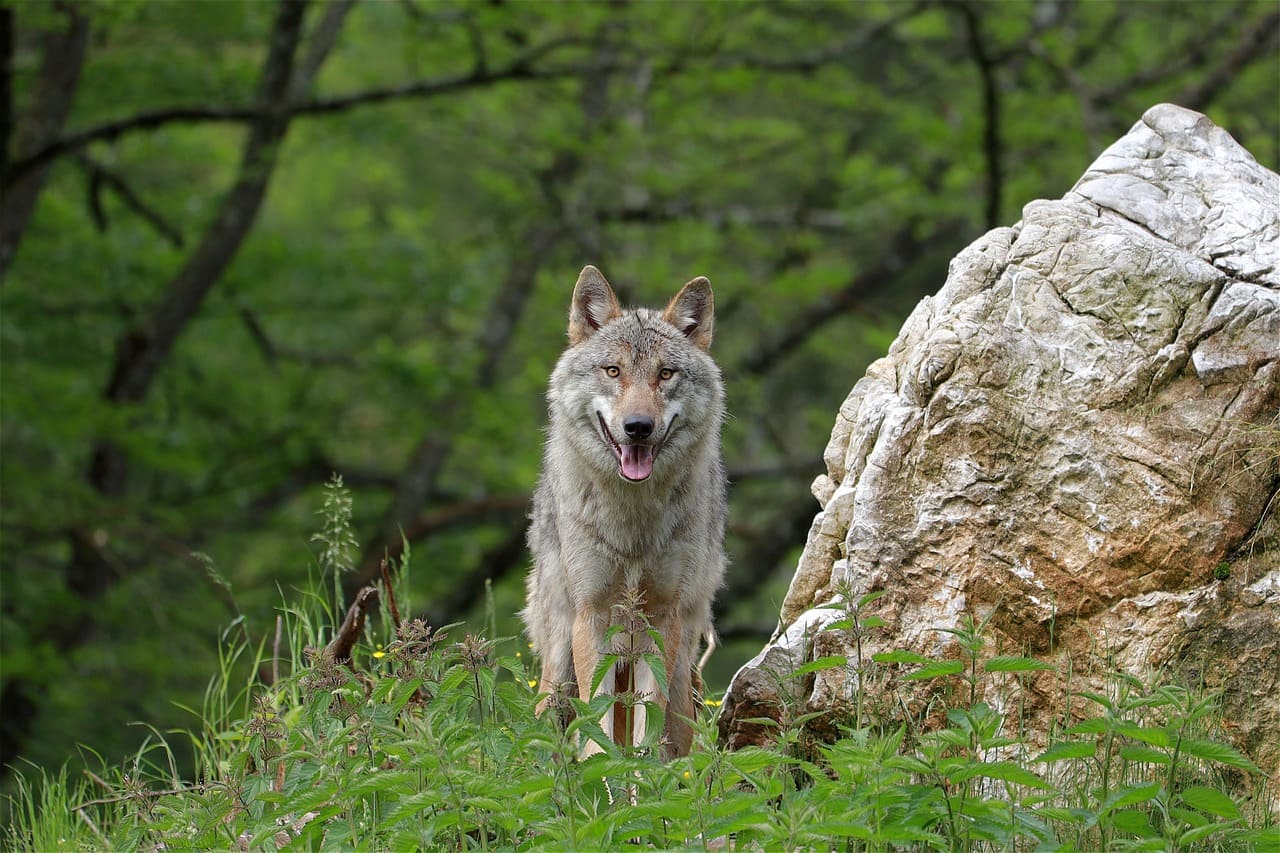
Lynxes are regularly recorded in Liechtenstein, using the mountain area in particular as part of their home ranges, which average 100–150 km². In spring 2018, a golden jackal was recorded in Liechtenstein for the first time. The geographically nearest wolf presence, known as the “Calanda pack,” is located less than 30 km from Liechtenstein as the crow flies.
Monitoring by KORA and livestock protection
The Office for the Environment is responsible for the management of predators in Liechtenstein, which encompasses not only knowledge of recorded individuals but also the protection of livestock. Due to the small size of the country, no self-sustaining populations of lynx or wolf can become established there. This is one of the main reasons why management is carried out in close cooperation with Switzerland.
To ensure the monitoring of predators in Liechtenstein, a cooperation agreement was concluded with the Swiss foundation KORA on the basis of a service agreement. KORA researches the lifestyle of predators and monitors the development of their populations. In addition to Liechtenstein, KORA also supports the Swiss Federal Office for the Environment FOEN and all Swiss cantons in implementing measures for a low-conflict coexistence.
Since Liechtenstein is too small for its own herd protection office and has relatively few sheep and stocked alpine pastures, a service agreement was also concluded in the area of herd protection. The Small Livestock Unit of the Agricultural Centre St. Gallen in Salez, which already has several years of experience in herd protection, will now support the Office for the Environment in advising livestock keepers and implementing herd protection measures. More about wildlife and wildlife management.
More on the subject of recreational hunting: In our dossiers on recreational hunting gather fact-checks, analyses and background reports. The scientific evidence is presented in the overview Studies on the Effects of Recreational Hunting.
The position of IG Wild beim Wild: IG Wild beim Wild rejects recreational hunting. Our model is the canton of Geneva, which has managed without recreational hunting since 1974: without hunting seasons, without hunting dogs, without driven hunts, without high seats, without the animal cruelty and crime that go hand in hand with hunting season elsewhere. What has worked there for over fifty years disproves every position paper by JagdSchweiz. An association that bases its policy on claims it refutes in its own documents is not a professional organisation, but a factory for misinformation.