Mass poisoning of vultures in Kruger National Park
The largest poisoning of vultures by poachers in South Africa has shocked the world. More than 200 birds were poisoned.

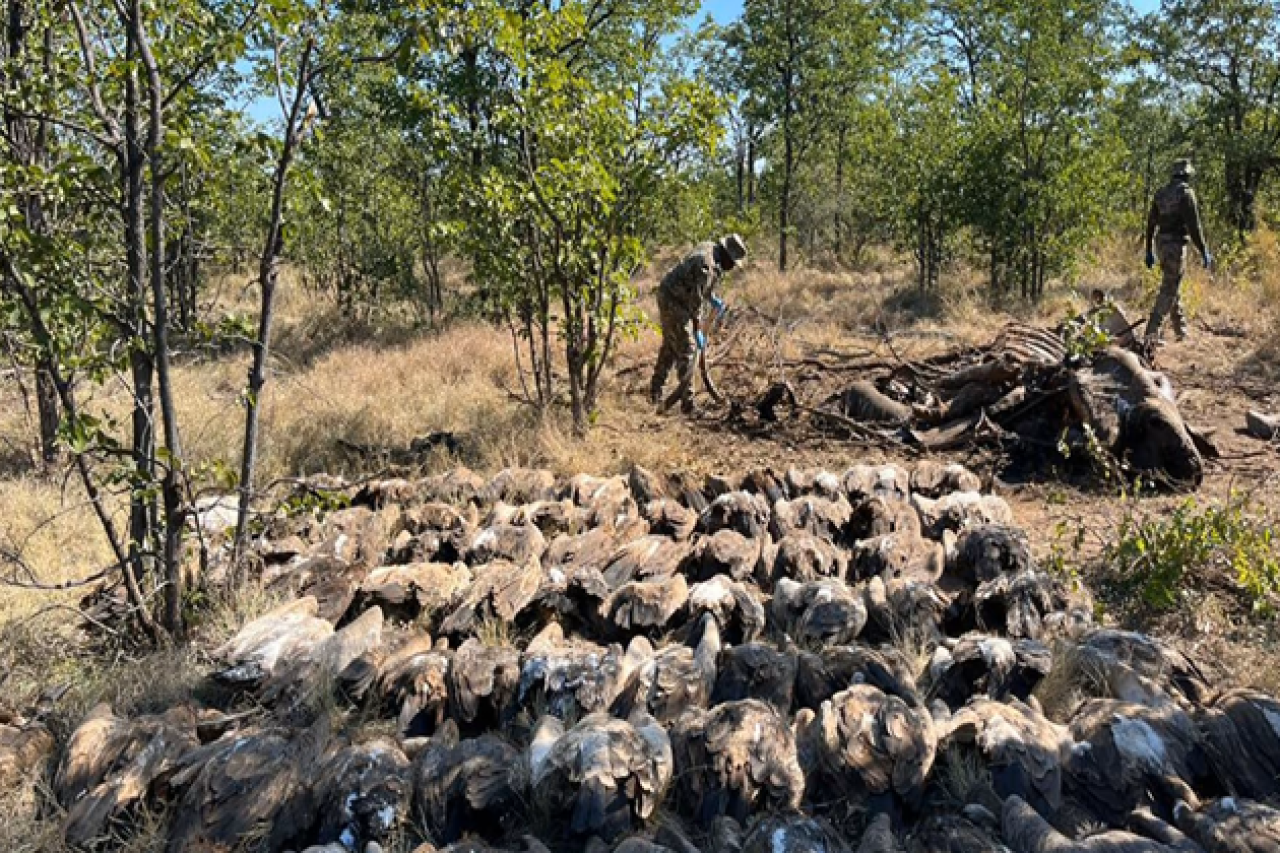
It is considered the largest vulture poisoning incident in southern Africa: poachers in South Africa poisoned more than 200 vultures in a single incident, according to the national parks authority SANParks. The birds are classified as threatened or critically endangered.
The birds had fed on a poisoned elephant carcass in the famous Kruger National Park. A total of 123 vultures were found dead.
In a large-scale rescue operation, conservationists transported 84 further poisoned but still living vultures by helicopter and overland to treatment facilities.
According to SANParks, this is the largest known vulture poisoning incident in the southern part of the continent. The elephant carcass had been laced by poachers with highly toxic agrochemical pesticides — presumably to obtain body parts from other animals for the illegal wildlife trade, as SANParks spokesperson JP Louw stated.
Vultures: victims of poaching and superstition
Poachers are increasingly using agricultural poisons for this purpose. The bones of vultures are used in numerous African countries for ritual and religious purposes, such as the production of traditional medicine.
Other poachers poison vultures to prevent the circling birds from revealing the poachers' whereabouts after they have illegally killed elephants, rhinoceroses or lions.
Among the poisoned birds in Kruger Park are white-backed, Cape, lappet-faced and hooded vultures — all species classified as threatened or critically endangered by the International Union for Conservation of Nature (IUCN). Louw described the incident as a “severe setback” for the vulture population in the region surrounding the national park.
More on the subject of recreational hunting: In our dossiers on the criticism of recreational hunting gather fact-checks, analyses and background reports. What the research says about this is shown by Hunting fact-checked: the state of research.
The position of IG Wild beim Wild: IG Wild beim Wild rejects recreational hunting. Our model is the canton of Geneva, which has managed without recreational hunting since 1974: without hunting seasons, without hunting dogs, without driven hunts, without high seats, without the animal cruelty and crime that go hand in hand with hunting season elsewhere. What has worked there for over fifty years disproves every position paper by JagdSchweiz. An association that bases its policy on claims it refutes in its own documents is not a professional organisation, but a factory for misinformation.