Canton Valais shoots the wrong wolves
Since 2023, individual wolves as well as entire packs may be shot during autumn and winter. Cantons must request permission from the Federal Office for the Environment to do so. As early as the 2023/24 season, the error rate in Valais was 50 percent — for the second consecutive year.

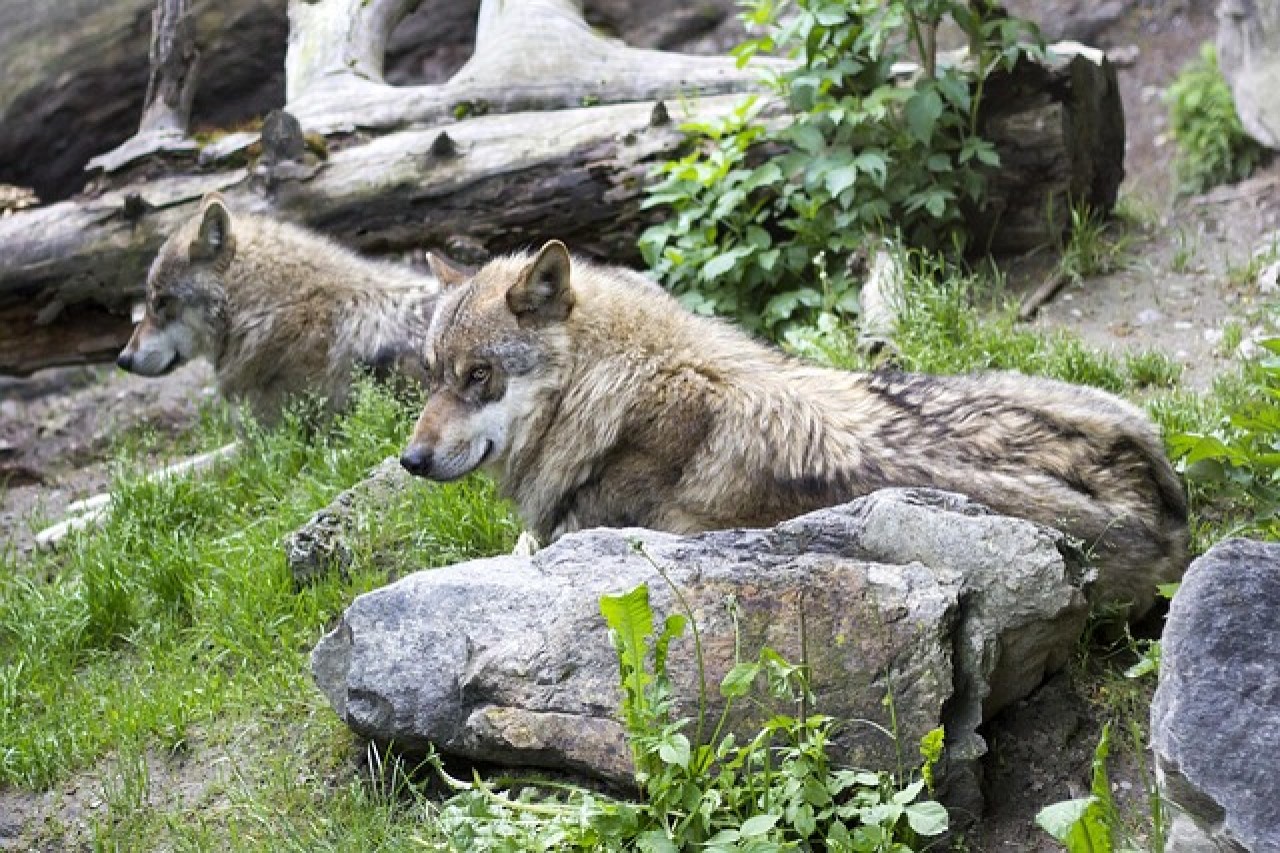
In recent years, the wolf has sparked considerable debate and controversy in Switzerland, particularly in the cantons of Valais and Graubünden.
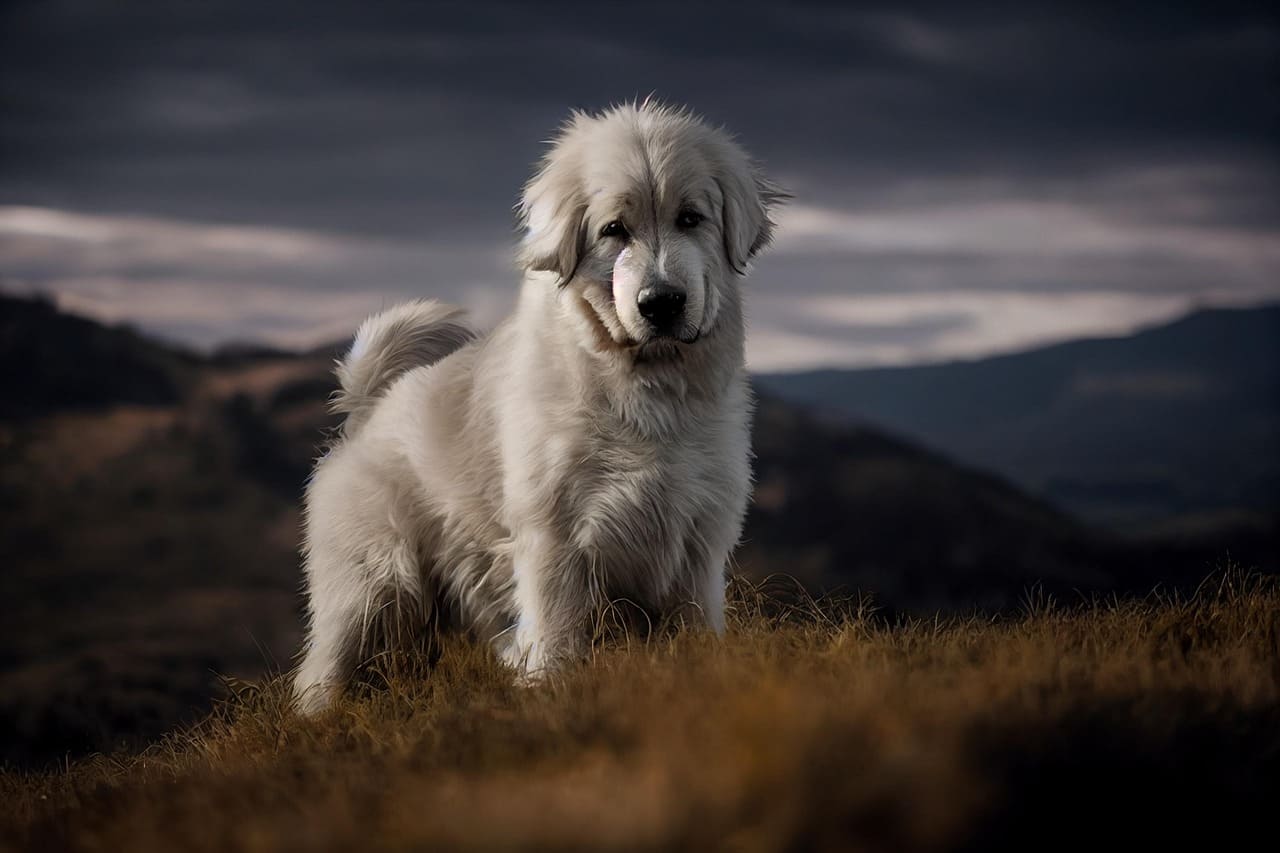
The return of the wolf to the Alpine region has brought welcome developments. While conservationists regard the wolf as an essential element of a healthy ecosystem, many farming operations view it as a threat. Farmers must therefore have access to effective resources and information on ways to better protect their livestock from wolves, such as fencing installations, shepherding, or the use of livestock guardian dogs.
The canton of Valais shot a total of 34 wolves between September 2024 and January 2025, using in part illegal methods during hunting operations. DNA analysis revealed that only half of the animals killed belonged to the problem packs approved by the Federal Office for the Environment.
The decision to shoot a wolf should be based on sound scientific research to ensure that the right individuals are targeted and that the population is not put at risk by poorly trained hobby hunters.
The other wolves were in the wrong place at the wrong time and were therefore shot unnecessarily. The approach taken by the Valais authorities is based on the assumption that all wolves within the designated culling zone may be killed legally, regardless of whether they are problematic or not.
Critics, including animal welfare and conservation advocates, have condemned the high error rate and are calling for more rigorous oversight.
In comparison, the canton of Graubünden produces different results, as puppies are deliberately shot there without ethics or morality, a practice that is internationally condemned. Furthermore, this approach is considered unsportsmanlike. Many of the shooters own dogs themselves, which raises additional questions of psychological integrity.
The FOEN supports the measures taken so far in Valais and Graubünden despite criticism from the Bern Convention and sees no need to change its approach, even though the high error rate is unacceptable.
If in particular a wolf is shot that does not belong to the problematic animals, this can lead to an increase in problems in the long term. Obstacles include:
- Pack structure: Wolves live in packs, and if an alpha animal is shot, this can destabilize the entire pack structure. This can cause other wolves to move into new territories, intensifying conflicts with humans and livestock.
- Experience and learning: Older wolves often have more experience dealing with livestock and can help prevent younger, inexperienced wolves from coming into conflict with agricultural operations. Removing such wolves can have unintended consequences.
Problem-solving measures
Broader public education about the behavior of wolves and their role in the ecosystem can help reduce fears and promote a better understanding of the complex interrelationships involved.
Wolves and other apex predators play an important role in natural ecosystems. In the midst of a global crisis leading to a widespread collapse of biodiversity, wolves contribute, according to conservationists, to keeping the species they hunt healthy by targeting weak or sick animals and reducing the spread of diseases such as Lyme disease. They keep populations of deer, wild boar, and other ungulates in check and on the move, giving plants and shrubs that might otherwise be eaten a chance to grow. Their presence is celebrated by environmentalists as a sign of hope for the recovery of nature.
Hobby hunters roam forests and fields without purpose, attempting to shoot nature into submission so that roe deer and red deer go into hiding. Hobby hunters disrupt population dynamics. Where roe deer and red deer are extremely shy due to intense hunting pressure, they avoid areas with little cover, even when those areas offer good food sources. They then remain in the forest, where there is little to eat apart from young trees. Because wildlife often cannot find anything else to eat due to hunting pressure, they gnaw on trees in the forest. In doing so, they can destroy a significant proportion of the young trees that are vital for forest conversion.
Protective forests in Switzerland are of great importance for the safety and well-being of the population as well as for environmental protection. They fulfil several key functions:
- Protection against natural hazards: Protective forests stabilise the soil and prevent landslides, debris flows and rockfalls, particularly in mountainous regions. In this way, they protect settlements, roads and infrastructure from damage and danger.
- Protection against flooding: By retaining water and slowing runoff, protective forests help to mitigate flood events and prevent inundation.
- Preservation of biodiversity: Protective forests provide habitat for numerous animal and plant species and contribute to biodiversity.
- Climate protection: Forests store CO₂ and thus contribute to climate protection. The protective forest is an important component of sustainable forestry and environmental conservation.
- Recreation and nature experience: Protective forests are also places of recreation, offer experiences in nature and contribute to mental health.
Overall, protective forests in Switzerland are essential for ensuring the safety of the population, preserving the environment and sustainably utilising natural resources. The maintenance and preservation of these forests are therefore central tasks in Swiss nature conservation.
Further articles
- Swiss meadows are suffering massive losses in biodiversity
- When sheep, cattle and others occupy wildlife habitat
- Swiss animal protection organisation criticises planned wolf culls as a threat to pack structures and livestock protection
- Wolf management incompetence runs rampant in Graubünden
- Val Fex: When the livestock protection concept has more holes than the fence
- Shooting instead of protecting – Switzerland on the path to silent wolf eradication
- Communication failure at the Office for Hunting and Fishing Graubünden
- Illegal wolf hunting in Switzerland
- Wolf cubs in Switzerland in the crossfire
- Switzerland sells wolf massacre as success
- Blunders in Katrin Schneeberger's office
- Livestock grazing alters soil, plant, and insect populations
- The insane hunt for wolves in Switzerland
- The truth about sheep mortality in Switzerland: causes and statistics
- Wolf shootings in Switzerland: concern over party politician Albert Rösti
- Let's stop the SVP's destructive rage
- Participatory campaign: An appeal for change in Switzerland
- 200 environmental organizations from 6 continents call on the Swiss government: Stop the wolf cull
- Federal Councillor comes under heavy criticism from wolf experts
- The consequences of controversial wolf management in Switzerland
- Wolf: Federal Councillor Rösti (SVP) circumvents law and order
- Es Burebüebli mahn i nit
- Are the FOEN and hunting authorities still working professionally?
- Federal Councillor Albert Rösti tramples the will of the people
- The consequences of controversial wolf management in Switzerland
- Too many sheep harm biodiversity
- Agricultural use destroys alpine meadows
- Livestock losses despite herd protection — how is that possible?
- The rotten apple in St. Gallen's hunting authority
- Pro Natura calls for a comprehensive strategy for summer sheep grazing
- According to Agridea study, herd protection with dogs works well
- Thanks to herd protection, wolves in Switzerland are killing fewer livestock
- Farmers treat fields as dumping grounds
- Biomass of wild animals
- On sheep farmers and vague authorities
- The double standards of wolf opponents