Is trophy hunting in Valais for a good cause?
Trophy hunting is a controversial topic that sparks heated debates in many countries. While some proponents argue that this practice can contribute to the conservation of wildlife populations, there are equally many opponents who question the ethical and moral aspects.

A central argument of proponents is that trophy hunting often generates financial resources.
The fees paid by hobby hunters are said to flow into projects for habitat conservation, combating poaching, and protecting endangered species. In some regions, these funds are even claimed to be decisive for the preservation of biodiversity. Why don't the perpetrators simply donate the money and ignore the suffering they cause?
Studies document that trophy hunting decimates wildlife populations, can manipulate reproduction rates, shifts age and sex ratios, and impairs social structures.
An increasing number of countries are banning the import of hunting trophies for legitimate reasons. Wildlife populations are being manipulated, corruption is being fostered, colonial structures are being entrenched, and the ethical values of our society are being disregarded. Trophy hunting is rejected by a considerable majority in Europe, as well as by many people in Africa.
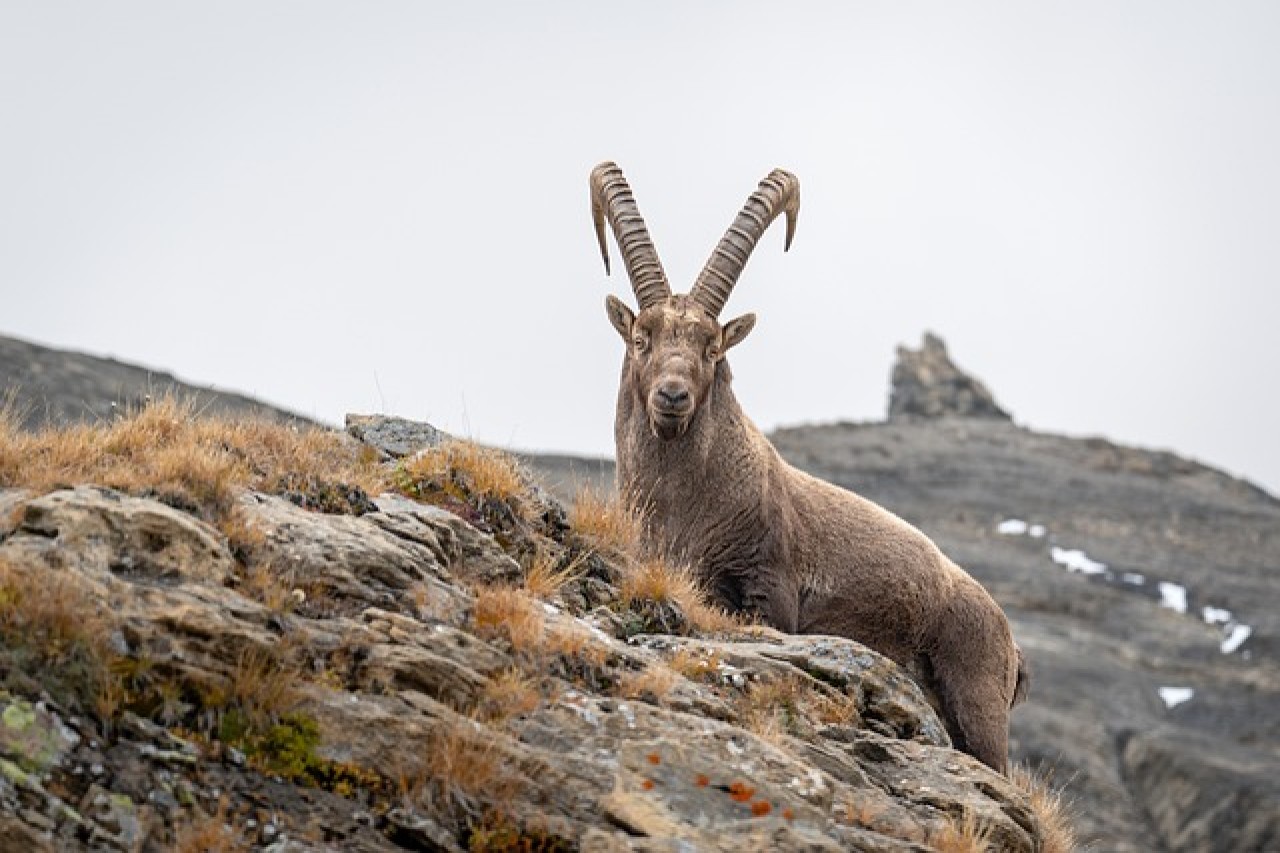
The canton of Valais is the only canton in Switzerland that once again permits hunting of ibex by foreign trophy hunters.
The mountain canton allows trophy hunters from around the world to shoot ibex for a fee — accompanied by a Valais game warden. What represents an adventure for foreign hobby hunters is a lucrative business for the canton of Valais: ibex hunting brings in 650,000 francs annually to the state treasury.The canton of Valais uses these revenues, among other things, to subsequently combat the wolf.
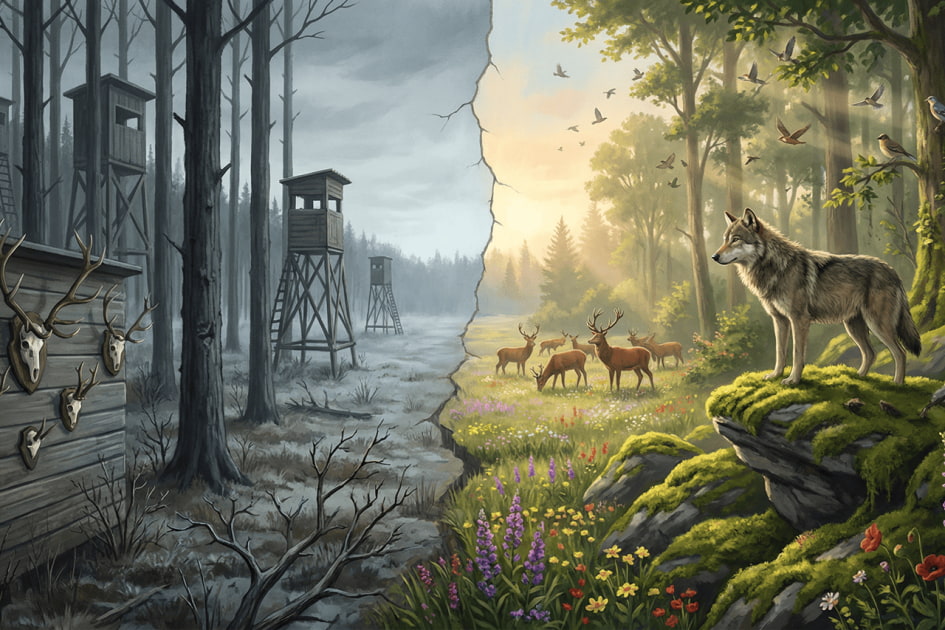
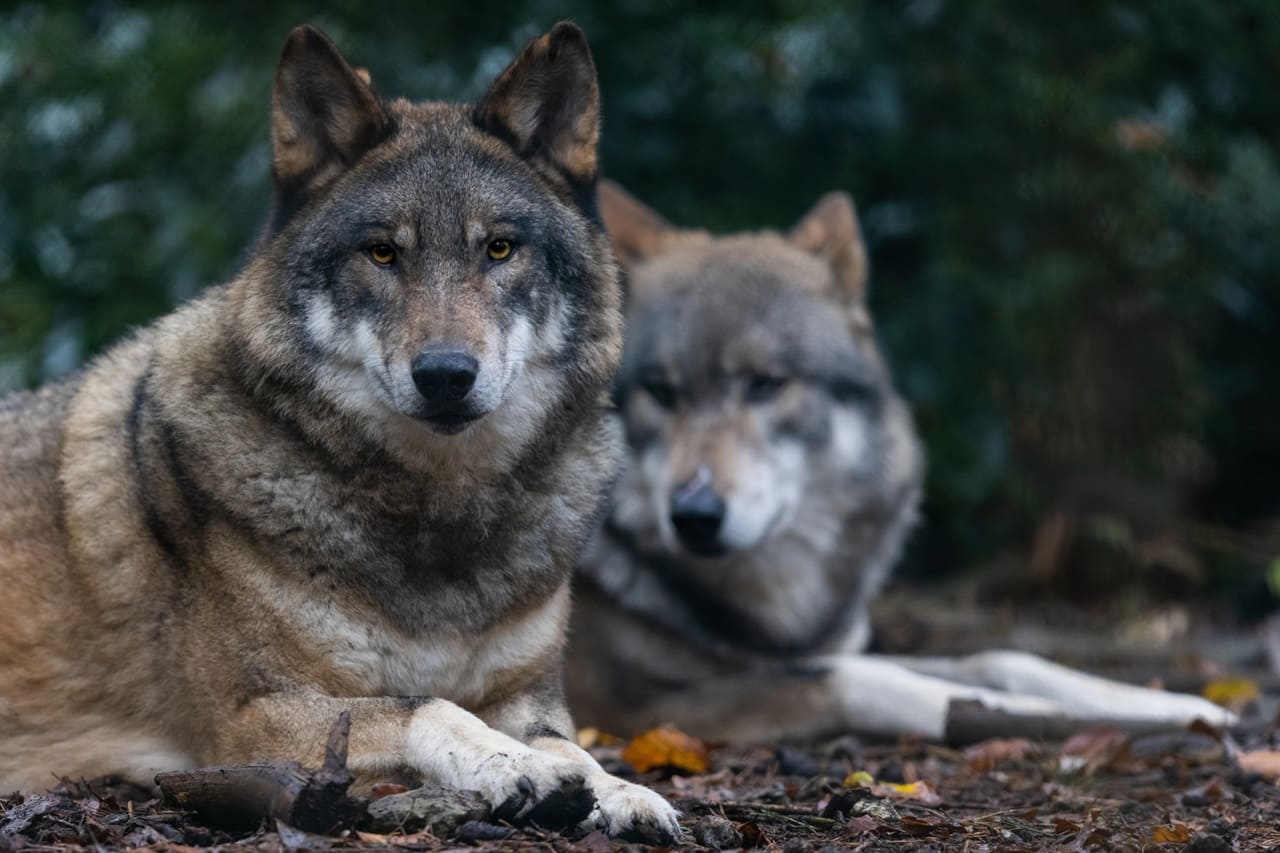
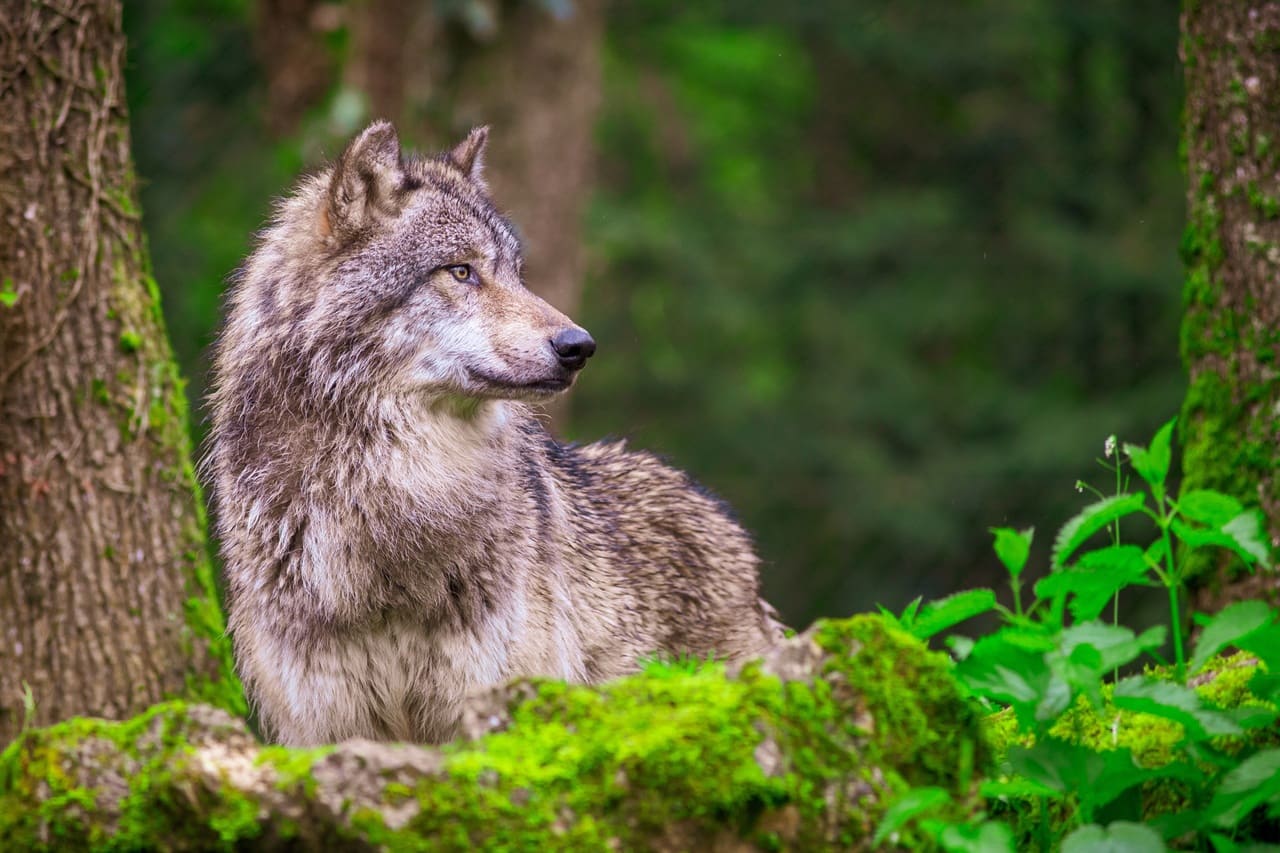
Wolves and other apex predators play an important role in natural ecosystems. In the midst of a global crisis leading to a widespread collapse of biodiversity, wolves, according to conservationists, help keep the species they hunt healthy by preying on weak or sick animals and reducing the spread of diseases such as Lyme disease. They keep populations of deer, wild boar and other ungulates in check and on the move, giving plants and shrubs that might otherwise be eaten a chance to grow. Their presence is celebrated by environmentalists as a sign of hope for nature's recovery.
Jean-Michel Gaillard, a research director at the University of Lyon, states that around 36% of all ibex older than 11 years are shot. That is a large proportion. Since older ibex in particular are the ones that reproduce, the hunting threatens the balance of the herds. However, the hunting authorities in Valais see no risk.
Former State Councillor Jacques Melly also responded in 2019. Speaking to RTS, the State Councillor responsible for hunting said at the time that they had already been considering banning this type of ibex hunting for foreigners since April. “It no longer reflects the spirit of the times.”
Killing animals for trophies is in some cases criminal, but always wrong — a culture of barbarism.
The national park in Switzerland demonstrates that chamois and ibex require no human regulation. Population numbers have remained stable for decades.
Killing for a good cause?
1. Ethical concerns
Ethical questions are one of the greatest points of contention in the debate surrounding trophy hunting. Many people regard the killing of animals for pleasure or to decorate walls as cruel. The notion of treating animals as trophies raises moral concerns and leads to widespread resentment of this practice.
Trophy hunting is not about “conservation,” population control, or maintaining healthy animal populations. Quite the contrary: trophy hunters engage in unnatural selection, as they target particularly exceptional animals of frequently endangered species that are especially important for the survival of a population.
Numerous reports document that the proceeds from trophy hunting end up primarily in the wrong people's pockets.
2. The danger of overhunting
There is a risk that trophy hunting can lead to overhunting of certain species. In some cases, populations of wildlife have been endangered and wiped out due to excessive hunting.
3. Loss of habitat
Trophy hunting can also have negative effects on animal habitats. Areas are frequently opened up for hunting activities, which can lead to habitat fragmentation and a decline in other animal species. Furthermore, the focus on certain species can result in other, less “attractive” species and their habitats being neglected. Every hunting activity carried out by a hobby hunter represents an unnecessary burden on flora and fauna.
4. Speciesism
Analogous to the terms racism and sexism, speciesism describes a form of discrimination – more precisely, the devaluation of sentient animals based on their species membership. Humans are regarded as superior to all other species. In addition, distinctions are also made between different animal species: many people regard cats and dogs as family members and refuse to exploit or kill them, while treating wolves, ibexes or deer differently.
Natural disaster: hobby hunters
In the chaos in which nature finds itself after decades of management and stewardship by hobby hunters, the proportion of endangered species is greater in no other country in the world than in Switzerland. These contract killers have been creating an ecological imbalance in the cultivated landscape for decades, with sometimes dramatic consequences (protective forests, diseases, agricultural damage, and much more). Over a third of plant, wildlife and fungal species are considered endangered. Switzerland also ranks last in Europe when it comes to designating protected areas for biodiversity. It is precisely these circles of hobby hunters, through their lobbying work via politics, media and legislation, who have been responsible for this for decades. They are the ones who notoriously block contemporary, ethical improvements in animal welfare and sabotage serious animal and species protection efforts. Hobby hunters regularly oppose more Schweiz ist europaweit beim Ausscheiden von Schutzflächen für die Biodiversität ebenfalls Schlusslicht. Es sind genau immer auch diese Kreise aus Hobby-Jägern mit ihrer Lobbyarbeit, die über die Politik, Medien und Gesetze seit Jahrzehnten dafür verantwortlich zu machen sind. Sie sind es, die zeitgemässe, ethische Tierschutzverbesserungen notorisch blockieren und den seriösen Tier- und Artenschutz sabotieren. Hobby-Jäger wehren sich regelmässig gegen mehr national parks in Switzerland, because their concern is not nature, biodiversity, species protection or animal welfare, but rather the pursuit of their perverse, bloody hobby.
Did you know …
- that in Switzerland innocent young wolves are being killed?
- that hobby hunters Assessment of Game Meat Quality lie and that processed game meat, according to the WHO, is carcinogenic like cigarettes, asbestos, or arsenic?
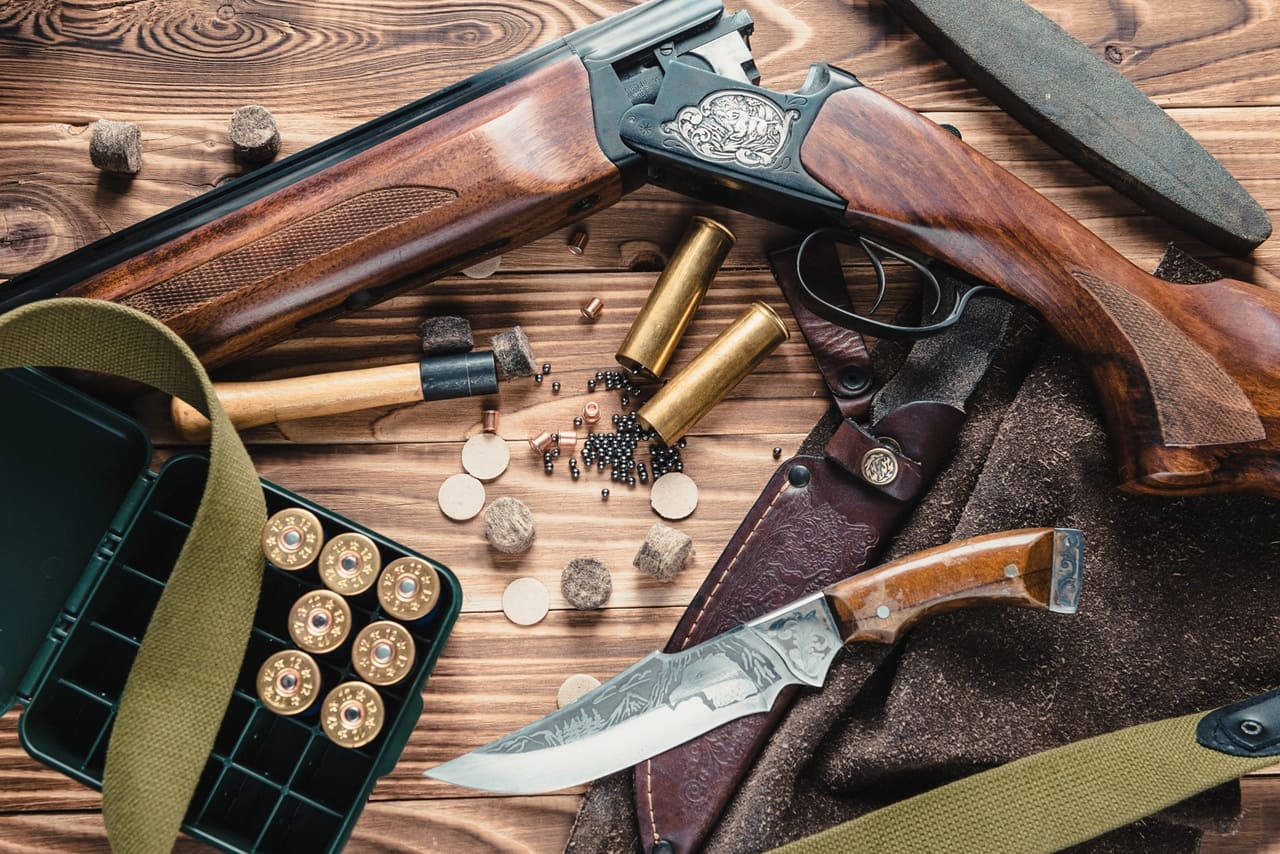
- that according to a study, nowhere is the lead contamination of golden eagles and bearded vultures higher than in the Swiss Alps, due to the ammunition used by hobby hunters?
- that the fair chase ethics of hobby hunters diametrically contradicts animal protection law and is a mere mirage?
- that hunting is war where animal competitors are simply eliminated?
- that there are countless illegal and unmarked hunting blinds in our natural environment, some so rotten that they pose a danger to children and can be fatal to people?
- that year after year, countless people are killed or injured by hunters' weapons, some so severely that they end up in wheelchairs or have limbs amputated?
- that in Switzerland, approximately 120,000 perfectly healthy roe deer, red deer, foxes, marmots, and chamois are killed each year, mostly without purpose?
- that because of hobby hunters, it is today barely possible to live in harmony with wildlife or to observe wild animals?
- that shotgun blasts cause hares to shriek like small children and tear apart the entrails of “shot” roe deer and red deer so that they leave a blood trail for tracking during the search?
- that the claim by hobby hunters that the cruel wildlife massacres are necessary to regulate animal populations has been scientifically refuted?
- that hobby hunters openly admit that hunting is about the “pleasure of killing” and “the joy of making a kill,” driven by a pathological obsession?
- that hobby hunters have no sixth sense and yet regularly claim they only shoot sick and weak animals, which is of course not true in practice?
- that hobby hunters travel abroad for trophy hunting, far from any species protection or hunting regulations, and that there are even Swiss hobby hunter travel operators catering to such depraved hunting pursuits?
- that the vast majority are not legitimized professional hunters, but pursue hunting as a hobby, sport, and leisure activity, which is immoral and in fact contradicts animal protection law?
- that 99.07% of civilized people in Switzerland are not hobby hunters, meaning only 0.3% of hobby hunters take pleasure in these bloody activities?
- that these wildlife killers do not hunt on the basis of scientific justifications?
- that protected species do not actually belong under hunting law, because hobby hunters are overwhelmed by species conservation responsibilities and repeatedly shoot for fun animals listed on the Red List, such as lynx, wolf, hare, partridge, quail, etc.?
- that hobby hunters deliberately decimate certain animal species in order to eliminate competition for their unnatural behavior (fox, lynx, wolf, birds of prey, etc.)?
- that wildlife dies before the hobby hunter can fire a single shot, that this must be prevented, and that this is arguably the central idea behind wildlife management, care, and hunting planning?
- that with wild boar (and foxes), normally only the lead sow gives birth to young, but due to her being shot, all female animals within the sounder reproduce, and this is also why we have a wild boar surplus?
- that grazing animals — deer, roe deer, etc. — originally lived mainly as diurnal animals in fields and meadows, like goats, sheep, cows, etc., and not in the forest?
- that the wolf is vitally important for the long-term health of wild ungulates, because it hunts sick or weak animals with incredible precision, for example, and is therefore vastly superior to hobby hunters?
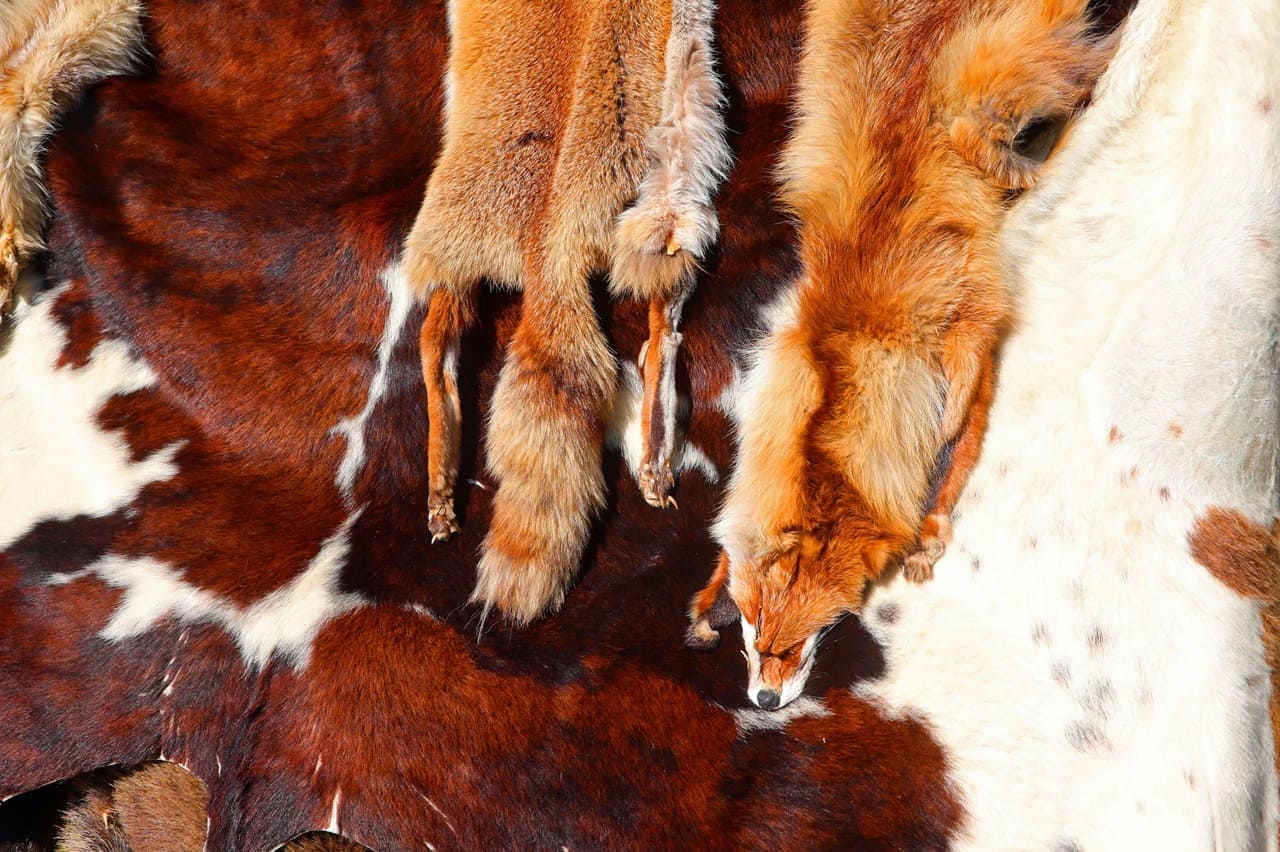
- that foxes usually end up in the trash after being senselessly hunted?
- that foxes are hunted today primarily so that there are more hares, etc. for hobby hunters’ frying pans? That the fox, however, feeds on hares in fewer than 10% of cases and would never catch a healthy hare?
- that in animal protection, one cannot deal with hobby hunters using only gentleness, street festivals, prayer chains, etc. (you need to fight fire with fire)?
- that hobby hunters use hunting jargon to engage in a disrespectful mockery of living beings?
- that it is frowned upon to shoot big game at feeding stations or during mating season, yet the hobby hunter has no scruples about doing exactly this to the competing predator, the fox?
- that in some cantons, hobby hunters go hunting solely for the tender meat of a young animal?
- that hobby hunters shoot pregnant mother deer in front of their young, or target only young animals during the rearing period (post-special hunt)?
- that hobby hunters poison the environment, nature, humans, and animals with their ammunition?
- that bestiality, barbarism, cruelty, bloodshed, and senseless suffering cannot be considered cultural heritage in a civilized society?
- that hobby hunters shoot approximately 10’000 roe deer fawns every year?
- that hobby hunters in harsh winters lure starving animals with bait only to shoot them in a treacherous and cowardly manner?
- that hobby hunters send agitated dogs into burrows to eliminate foxes and badgers (den hunting)?
- that hobby hunters lure peaceful living creatures into cage traps, where they may suffer for days awaiting their killer, or are often subjected to an agonizing death struggle lasting hours (trap hunting)?
- that hobby hunters cowardly ambush and kill or injure peaceful wild animals while they sleep or bask in the sun, using state-of-the-art precision weapons?
- that hobby hunters support awards, fur markets, trophy cult ceremonies, trophy shows, fur trading, etc.?
- that hobby hunters place firearms into the hands of underage schoolchildren and practice killing with them?
- that hobby hunters often carry out their cruel acts in isolation, which encourages animal cruelty?
- that hobby hunters seriously injure many wild animals, and the victims often suffer for hours in extreme pain and fear until a tracking dog finds them and they are shot?
- that hobby hunters (apart from vivisection) inflict the most suffering and abuse on animals, including through the manner of killing?
- that the hunter's supposed love of animals and nature does not find joy in the existence of the beloved object, but rather aims to possess the beloved creature body and soul, culminating in turning it into prey through the act of killing?
- that hobby hunters actively promote browsing damage through hunting pressure, particularly on predators such as fox, lynx and wolf?
- that hobby hunters open the door to antisocial, unethical and unchristian behavior?
- that hobby hunters deprive the public of normal, natural wildlife observations and interactions?
- that there is no greater product of cruelty — and one contaminated with ammunition residue — than venison?
- that there is no uniform national regulation in Switzerland regarding vision tests, shooting practice, etc. for hobby hunters?
- that there is no psychological aptitude test for hobby hunters?
- that there is no alcohol ban for hobby hunters when they shoot at animals with their weapons?
- that hobby hunters intrude into educational institutions to impose their hunters' jargon and their violence upon children?
- that a court in Bellinzona recently confirmed that hunting associations promote practically everything that is cruel, unnecessary and heartless?
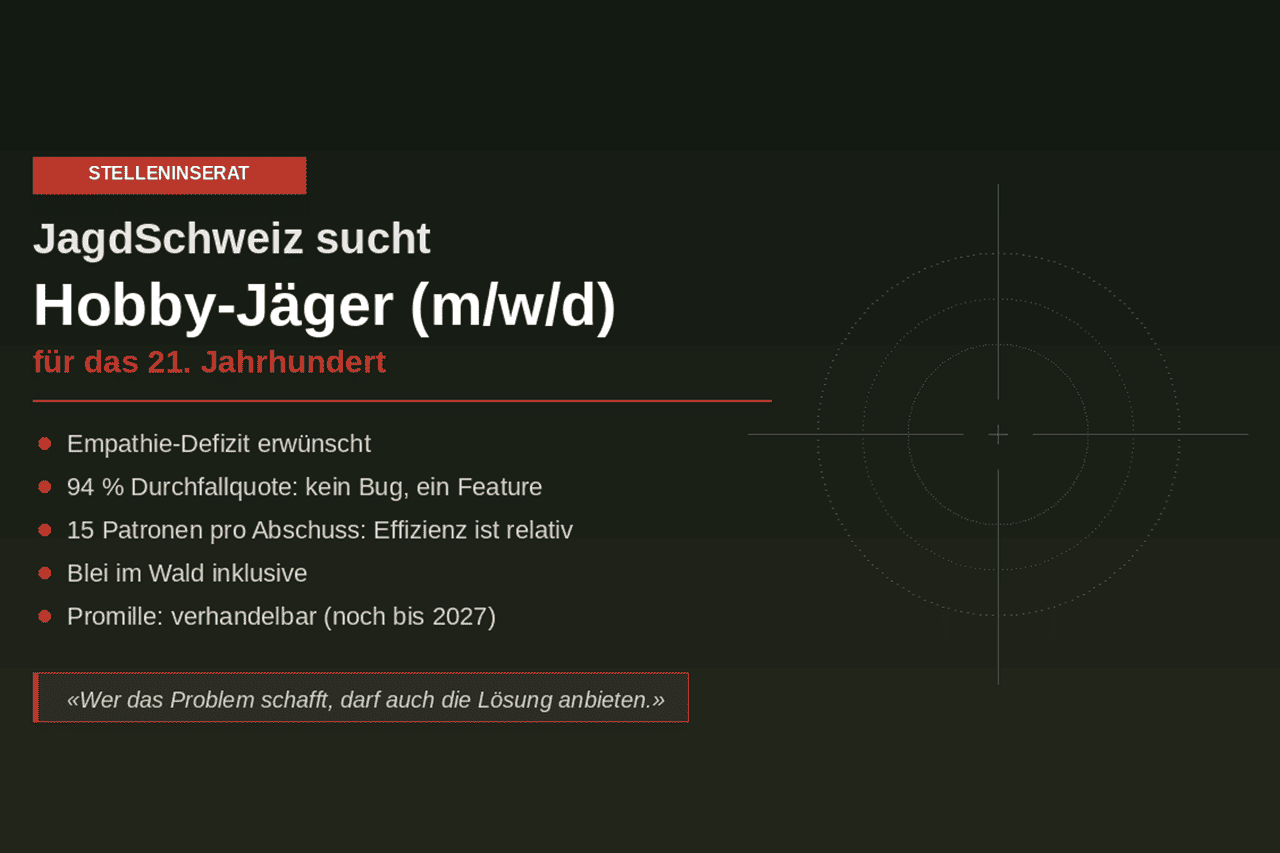
- that the association «Jagd Schweiz» cultivates above all disrespect and a culture of violence – precisely the opposite of what a civilised person in our society should aspire to.
- that in the canton of Grisons alone, more than 1‘000 reports and fines are issued against hobby hunters every year?