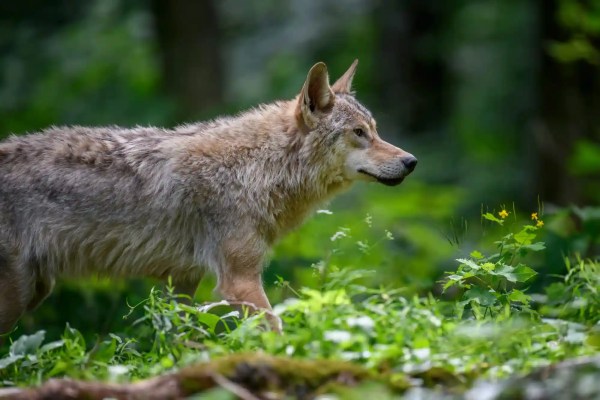
Hunting act: Do suckler cows panic because of wolves?
Reports of suckler cows supposedly panicking because of wolves are becoming more frequent. Yet cows also defend their calves against dogs and hikers.

Hunting act Do suckler cows panic because of wolves
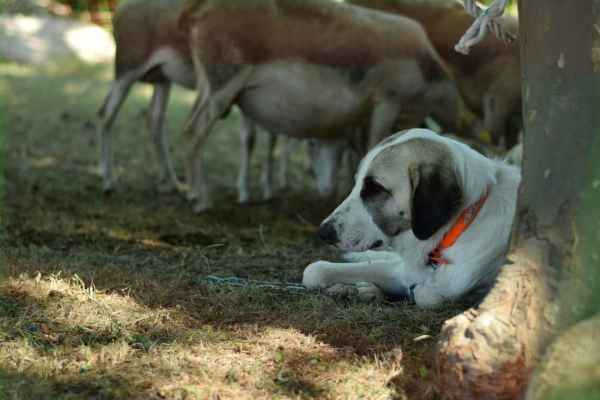
Reports that wolves are throwing entire suckler cow herds into panic, making them a potential danger to tourists, are becoming more frequent. That suckler cows defend their calves is well known and corresponds to their natural instinct. However, they defend their calves not only against large predators, but also against dogs and, where applicable, against hikers and bikers who come too close to the calves.
Every year there are tragic accidents resulting in death, and not only in areas where Wolves are present. In this particular coronavirus year such incidents could become more frequent, since far more hikers and, in some cases, tourists unaccustomed to the mountains, some of them with their dogs, are out and about in the Alpine regions. This, however, has nothing to do with the presence of wolves. It is important that hikers and bikers observe the warning signs, keep accompanying dogs on the lead and give the herd a wide berth, leaving really plenty of distance.

Stirring up sentiment against the wolf
Politics takes a break during the holiday season. But where the hunting act and the wolf are concerned, the battle continues behind the scenes. Instead of putting up posters, more subtle methods dominate. A concrete occasion for this was provided by the mysterious death of eight cows in the Melchtal valley, canton of Obwalden. The herd had panicked and plunged into a ravine. The wolf was immediately at the centre of attention as a possible culprit. So far there have been neither wolf sightings nor corresponding laboratory results, the cantonal authorities announced.
How do suckler cows react when a wolf runs right through the herd or an attack is looming?
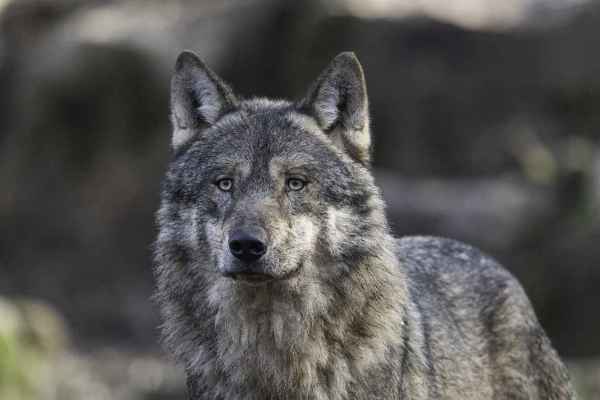
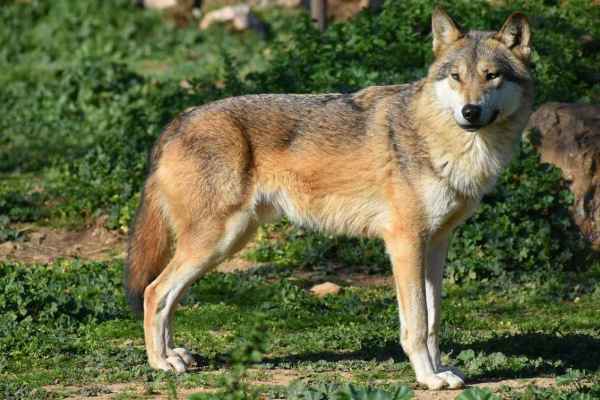
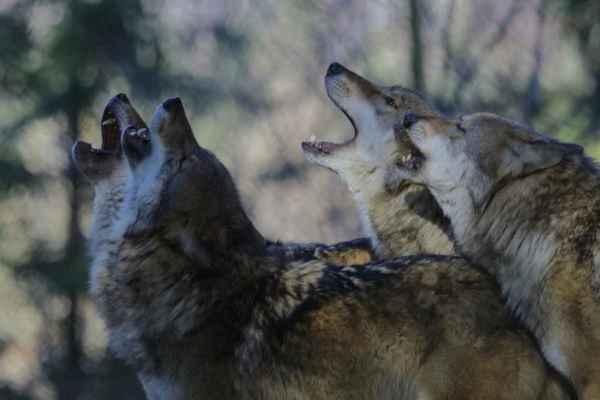
That wild animals, wolves included, come close to a herd of cows on the alpine pastures or even simply cross it without any intention of hunting is a natural situation that certainly occurs from time to time. And it is quite possible that a single inexperienced wolf may cautiously test its chances with calves. If a danger is recognised, suckler cows will vehemently defend their calves and try to drive the wolf away, with individual mother animals charging purposefully at the wolf. Most of the other cows in the herd, however, will stand calmly and observe the situation. As soon as the wolf has been driven off, the cows will go back to grazing. This behaviour is a deliberate defence of their young and has nothing to do with panic! Such natural defensive reactions also last only a limited time and subside completely once the danger has disappeared.
A herd of suckler cows in panic looks quite different. Panic triggers unthinking, headlong flight behaviour and not defensive behaviour as in the presence of a predator. Reasons for panic can be, for example, a thunderstorm with lightning and hail.
As a rule, however, wolves have hardly any real chance of catching a healthy calf and avoid the defensive reaction of the suckler cows, which is dangerous for them. It is important, though, that calving does not take place on the alpine pastures. Newborn calves, and above all the afterbirths, can attract wolves. Since cows usually give birth to their calves somewhat apart from the herd and the mother is often still too weak shortly after the birth to defend her calf effectively, attempted attacks could occur in such situations, writes the association CHWOLF based in Einsiedeln.
Do you have a tip, a source or a correction for this article? Write to us.
Seen something yourself?
A driven hunt next to a hiking trail, a shot fired near houses, a trap in the forest or an injured wild animal: report it to the Recreational Hunter Radar. We check every tip-off and treat your details confidentially.
More on the subject of recreational hunting: The scientific evidence is presented in the overview Studies on the Effects of Recreational Hunting.
The position of IG Wild beim Wild: IG Wild beim Wild rejects recreational hunting. Our model is the canton of Geneva, which has managed without recreational hunting since 1974: without hunting seasons, without hunting dogs, without driven hunts, without high seats, without the animal cruelty and crime that go hand in hand with hunting season elsewhere. What has worked there for over fifty years disproves every position paper by JagdSchweiz. An association that bases its policy on claims it refutes in its own documents is not a professional organisation, but a factory for misinformation.
Wild animals need a voice
Investigations, petitions and background on recreational hunting. As a thank-you, you will immediately receive our free guide «Recreational hunting on your doorstep: what you can do».
Support our work
With your donation you help protect animals and give their voice a hearing.
Donate now →