Recreational hunting and disturbance of wildlife
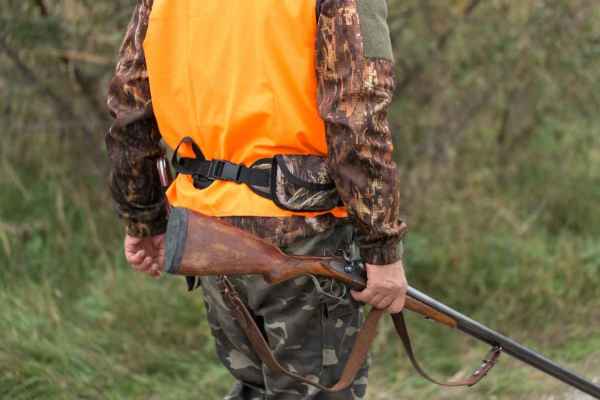
In many regions, recreational hunting is not a method for the sustainable regulation of wildlife populations. Studies and observations repeatedly show that recreational hunting causes considerable disturbance to wildlife.
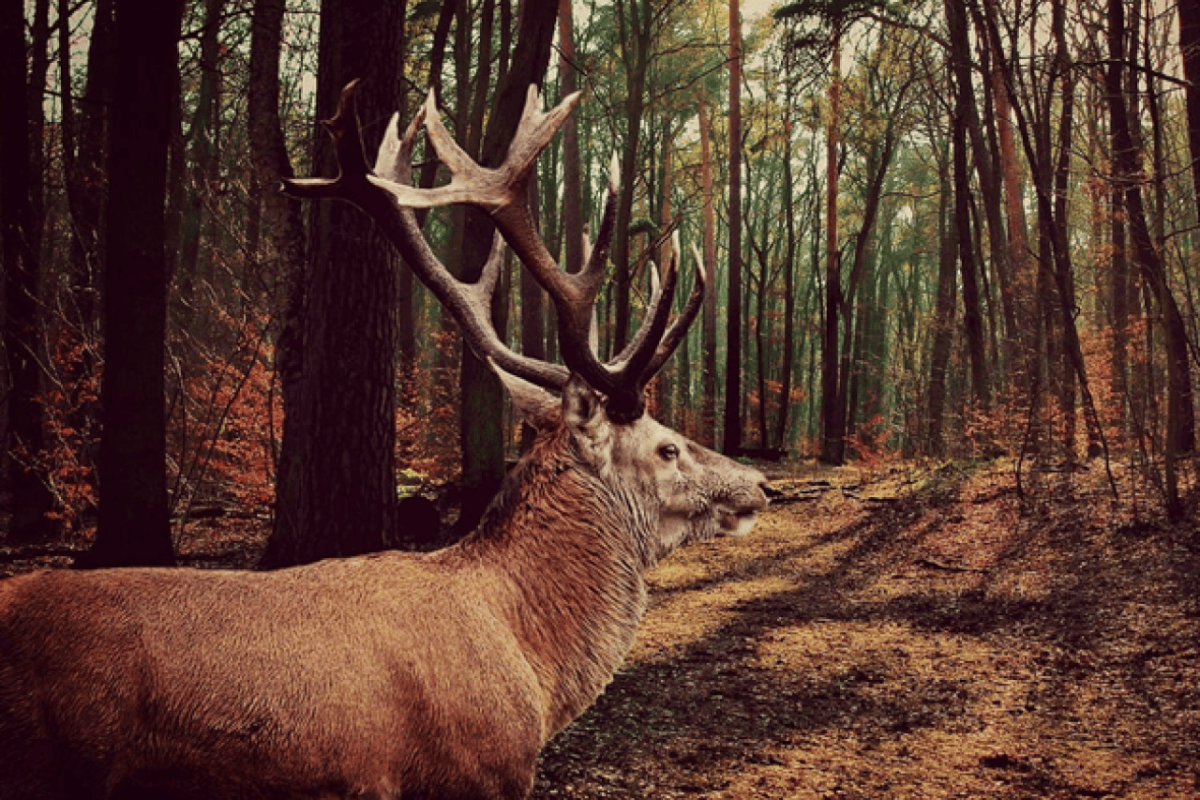
Simply entering the forest or the sound of gunshots can already knock Wild animals out of their natural behaviour.
Roe deer, wild boars or foxes change their feeding, movement and resting patterns as soon as recreational hunters are active in their habitat. Nocturnal species are particularly affected, as they are deliberately or inadvertently thrown off their rhythm by hunting activities.
Modern hunting methods – such as night vision devices or thermal imaging cameras – increase the efficiency of Hunting, while at the same time intensifying the burden on wild animals. Animals are deliberately disturbed, flight distances decrease, and some species permanently avoid certain habitats.
Consequences for the animal population
In the long term, this can affect reproduction, the survival of young animals and population distribution. Some species retreat to more remote areas, while others remain excessively exposed. The balance between predators and prey can also be shifted, affecting the entire ecology and biodiversity of the forest.
Conscious planning and regulation of recreational hunting can help safeguard animal welfare. Repeated disturbance from hunting activities can lead to chronic stress in wild animals. This stress manifests itself in altered movement patterns, increased flight distances, higher energy consumption and disease.
The IG Wild beim Wild therefore demands:
- Abolition of recreational hunting
Recreational hunting can also alter the structure of habitats. Through repeated disturbance, animals avoid certain areas, leading to the fragmentation of their habitats. This can be particularly problematic for young animals, as they depend on undisturbed areas to grow up.
Recreational hunting has no cultural significance and hardly any economic significance, but it does have serious ecological consequences. Anyone who loves nature should be aware that every disturbance – even seemingly small ones – has a direct impact on the lives of animals. Balanced hunting management, as in canton of Geneva, is therefore crucial to preserving biodiversity and natural tranquillity in our forests.
Natural disaster: recreational hunters
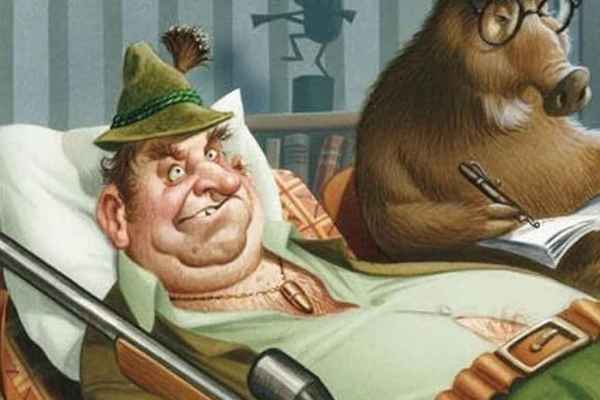
In the chaos in which nature finds itself after decades of recreational hunters' game management and care, the hunters is proportion of threatened species higher than in any other country in the world. For decades, these contract killers have been creating an ecological imbalance in the cultivated landscape, with sometimes dramatic consequences (protective forests, diseases, agricultural damage, and much more). Over a third of plant, Wild animals and fungus species are considered threatened. Switzerland is also at the bottom of the European rankings when it comes to designating protected areas for biodiversity. It is precisely these circles of recreational hunters, with their lobbying, who through politics, the media and legislation must be held responsible for this over decades. It is they who notoriously block modern, ethical improvements in animal welfare and sabotage serious animal and species protection. Recreational hunters regularly oppose more national parks in Switzerland, precisely because it is not nature, biodiversity, species protection or animal welfare that matters to them, but the pursuit of their perverse, bloody hobby.
Did you know…
- that in Switzerland innocent young wolves are eliminated?
- that recreational hunters lie when it comes to assessing game meat quality, and that, according to the WHO, processed game meat is carcinogenic, just like cigarettes, asbestos or arsenic?
- that, according to a study, the lead contamination of golden eagles and bearded vultures is nowhere higher than in the Swiss Alps, because of recreational hunters' ammunition?
- that the Fair chase that recreational hunting is diametrically opposed to the animal welfare act, that it's a fata morgana?
- that hunting is war, where animal competitors are simply liquidated?
- that there are countless illegal and unmarked high seats in our countryside, some so rotten that they pose a danger to children, and that people can be killed?
- that year after year countless people are killed or injured by hunters' weapons, sometimes so badly that they end up in a wheelchair or have limbs amputated?
- that in Switzerland around 120,000 completely healthy roe deer, red deer, foxes, marmots and chamois are killed every year, mostly senselessly?
- that because of recreational hunters it is now hardly possible to live in harmony with wild animals or to see them at all?
- that shotgun blasts make hares scream like small children, and that the innards of “shot” roe deer and red deer are torn apart so that they leave a trail for the follow-up search as they flee?
- that the recreational hunters' claim that the cruel wild animal massacres are necessary to regulate populations has been scientifically disproved?
- that recreational hunters openly admit that hunting is about the “thrill of killing” and “the joy of making a kill”, a pathological passion?
- that recreational hunters have no sixth sense, yet regularly claim they only shoot sick and weak animals, which of course is not true in practice?
- that recreational hunters travel abroad for trophy hunting, far from any species and hunting protection regulations, and that there are even Swiss hobby-hunter travel operators for such feeble-minded hunting pleasures?
- that the vast majority are not legitimate professional hunters but pursue hunting as a hobby, sport and leisure pastime, which is not moral and actually contradicts the animal welfare act?
- that 99.07% of civilised people in Switzerland are not recreational hunters, meaning only 0.3% of recreational hunters take pleasure in these bloody activities?
- that these wild animal killers do not hunt on the basis of scientific justification?
- that protected species should not actually be part of hunting law, because recreational hunters are overwhelmed by species protection and repeatedly shoot animals on the Red List, such as lynx, wolf, European hare, grey partridge, quail, etc., just for fun?
- that recreational hunters deliberately decimate certain animal species so as to have no competition for their unnatural behaviour (fox, lynx, wolf, birds of prey, etc.)?
- that wild animals dying before the recreational hunter can even fire a single shot is something to be prevented, and that this is presumably the central idea behind wildlife management and hunting planning?
- that with wild boar (and foxes) normally only the lead sow has young, but because she is shot, all the female animals within the sounder reproduce, which is one of the reasons we have a wild boar glut?
- that grazing animals – red deer, roe deer, etc. – originally lived mainly diurnally in fields and meadows, like goats, sheep, cows, etc., and not in the forest?
- that the wolf is vital in the long term for keeping wild ungulates healthy, because, for example, it captures sick or weak animals with incredible precision and is thereby far superior to recreational hunters?
- that foxes usually end up in the rubbish after being senselessly hunted?
- that foxes are mainly hunted today so that there are more hares, etc., for recreational hunters' frying pans? That the fox, however, does not feed on hares more than 90% of the time, and never catches a healthy hare?
- that one cannot combat recreational hunters in animal welfare matters with gentleness, street festivals, prayer chains, etc. alone (a crude block needs a crude wedge)?
- that recreational hunters engage in a disrespectful mockery of living beings with their hunters' tall tales?
- that it is frowned upon to shoot high game at a feeding site or during mating season, but the recreational hunter has no scruples about doing this to the fox, a competing predator?
- that in some cantons recreational hunters go hunting solely for the tender meat of a young animal?
- that recreational hunters shoot pregnant mother animals in front of their young, or shoot only young animals during the rearing period (post special hunt)?
- that recreational hunters poison the environment, nature, humans and animals with their ammunition?
- that bestiality, barbarism, cruelty, bloodshed and pointless suffering cannot be a cultural asset in a civilised society?
- that recreational hunters shoot around 10,000 roe deer fawns every year?
- that in harsh winters recreational hunters lure starving animals with feed, only to shoot them cowardly and treacherously?
- that recreational hunters send riled-up dogs into burrows to eliminate foxes and badgers (earth hunting)?
- that recreational hunters lure peaceful creatures into box traps, where they may suffer for days waiting for their killer, or where the animals often endure a hours-long death struggle (trap hunting)?
- that recreational hunters cowardly assassinate or injure peaceful wild animals while they are sleeping or sunbathing, using highly modern precision weapons from ambush?
- that recreational hunters support awards, fur markets, prize ceremonies for the trophy cult, trophy shows, fur trade, etc.?
- that recreational hunters put firearms into the hands of underage schoolchildren and practise killing with them?
- that recreational hunters often carry out their agonising deeds in solitude, which promotes animal cruelty?
- that recreational hunters only severely injure many wild animals, and the victims often suffer for hours in enormous agony and fear until a blood-tracking dog finds them and they are shot?
- that recreational hunters (apart from vivisection) inflict the most suffering and abuse on animals, including through the manner of killing?
- that a hunter's love of animals and nature does not delight in the existence of the beloved object, but rather aims to possess the beloved creature body and soul, culminating in making it prey through the act of killing?
- that recreational hunters actually promote browsing damage through hunting pressure, especially on predators such as fox, lynx and wolf?
- that recreational hunters open the door to antisocial, unethical and unchristian behaviour?
- that recreational hunters deprive the public of normal, natural wildlife observation and interaction?
- that there is no bigger, ammunition-contaminated torment product than game meat?
- that there is no uniform nationwide regulation regarding eye tests, shooting practice, etc. for recreational hunters?
- that there is no psychological character test for recreational hunters?
- that there is no alcohol ban for recreational hunters when they shoot at animals with their weapons?
- that recreational hunters intrude into school facilities to peddle their hunters' tall tales and violence to children?
- that a court in Bellinzona recently confirmed that hunting associations promote practically everything that is cruel, unnecessary and heartless?
- that the association «JagdSchweiz» primarily cultivates disrespect and a culture of violence – exactly the opposite of what a cultivated person in our society should strive for.
- that in the canton of Grisons alone, over 1,000 complaints and fines are imposed against recreational hunters every year?
More on the subject of recreational hunting: In the dossier The Role and Criticism of Recreational Hunters we shed light on the training, power and self-image of recreational hunters. The scientific evidence is presented in the overview Studies on the Effects of Recreational Hunting.
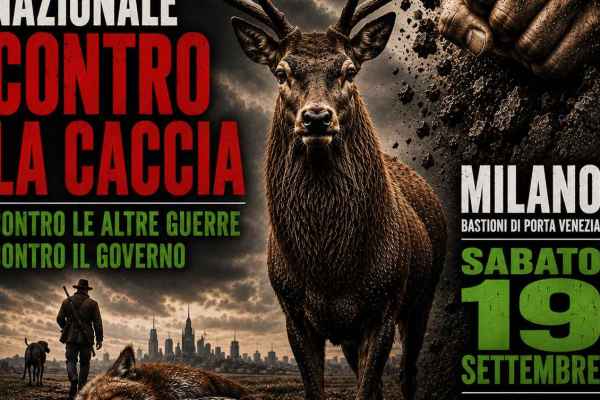
The position of IG Wild beim Wild: IG Wild beim Wild rejects recreational hunting. Our model is the canton of Geneva, which has managed without recreational hunting since 1974: without hunting seasons, without hunting dogs, without driven hunts, without high seats, without the animal cruelty and crime that go hand in hand with hunting season elsewhere. What has worked there for over fifty years disproves every position paper by JagdSchweiz. An association that bases its policy on claims it refutes in its own documents is not a professional organisation, but a factory for misinformation.

All articles are written by IG Wild beim Wild as well as by external co-authors. Research, structuring and editorial processes may be supported by AI-assisted tools.
Support our work
With your donation you help protect animals and give their voice a hearing.
Donate now →