Federal government cuts climate funding for the forest: browsing damage becomes a convenient scapegoat
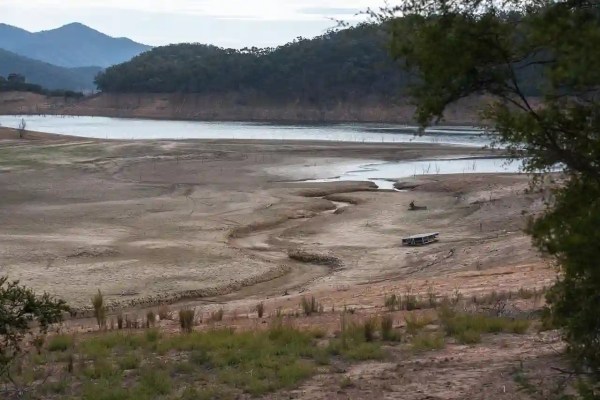
The Federal Council is cutting the funds for a climate-resilient forest, right in the middle of a period when the risk of forest fires is acutely high across large parts of Switzerland.
«The forester speaks»
The Federal Office for the Environment confirmed a report by the «NZZ am Sonntag», according to which Environment Minister Albert Rösti has deleted these funds from the financial planning of the coming years. From 2027 they are to be dropped entirely.
In 2020 parliament had still approved 100 million francs over four years, among other things for planting heat-resistant tree species. In 2023 the funds were already cut by a third, and now comes the next reduction. The board of the cantonal conference for wild animals, forest and landscape is annoyed. The cut comes at the wrong time, especially as the heatwaves in the forest are already causing major damage.
When the forest weakens, the game is often held responsible
What this cut has to do with our topic area becomes clear as soon as the forest comes under further pressure. If money is lacking for climate-resilient reforestation, many areas remain more vulnerable to drought stress, pests and losses. It is precisely in such situations that browsing damage by roe deer and red deer is quickly portrayed as the main cause of poor forest regeneration, while structural factors such as climate change and lack of investment disappear into the background.
Just how drastic this shortening can be is shown by the case of Grisons. There, since 2012 the canton has invested over 17 million francs in fences, nets and protective measures against cloven-hoofed game, with the declared aim of reducing the red deer population. The result after 37 years of hobby hunting as a management tool: since the reduction decision of 1989, the population has risen by around 50 percent, not fallen. Only since 2021 has a decline become apparent, and a parliamentary motion in Grisons expressly names as the reason the growing influence of the predators wolf and lynx. More on this in the article What does hobby hunting cost us? Grisons only calculates in one direction.
Subsidies for the forest are no side issue
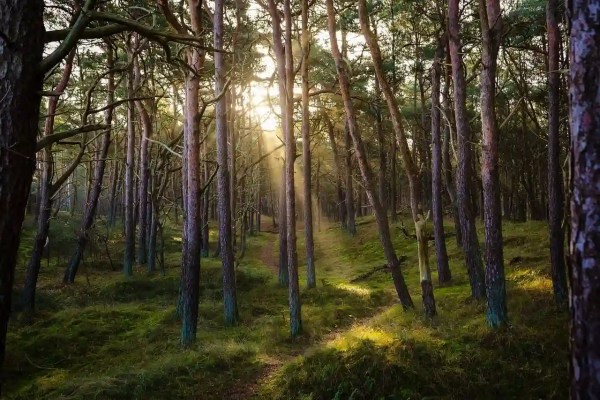
Anyone who genuinely wants to make the forest climate-fit needs investment in resistant tree species, reforestation and protective forest management, not primarily more hunting pressure. The federal cut therefore hits precisely the area that would make the forest more resilient. If at the same time the discussion continues to revolve primarily around browsing damage and game, political attention shifts away from the actual cause: a climate policy that skimps on the forest, even though the warning signs are impossible to overlook.
An in-depth look at the role of wolf and lynx for the state of the forest is provided by the article No forest without the wolf: What predators mean for Switzerland. Anyone wishing to make sense of the political debate surrounding forest and wildlife policy will find further background in the category Environment & Nature Conservation.
LET'S STAY IN TOUCH!
We would like to send you the latest news and offers in our newsletter.
Support our work
With your donation you help protect animals and give their voice a hearing.
Donate now →