Endangered hedgehogs: How you can help during a heatwave
This year's summer was also a dry spell with little rain in parts of Europe – and after several heatwaves, temperatures in many countries continue to hover above 25 degrees.
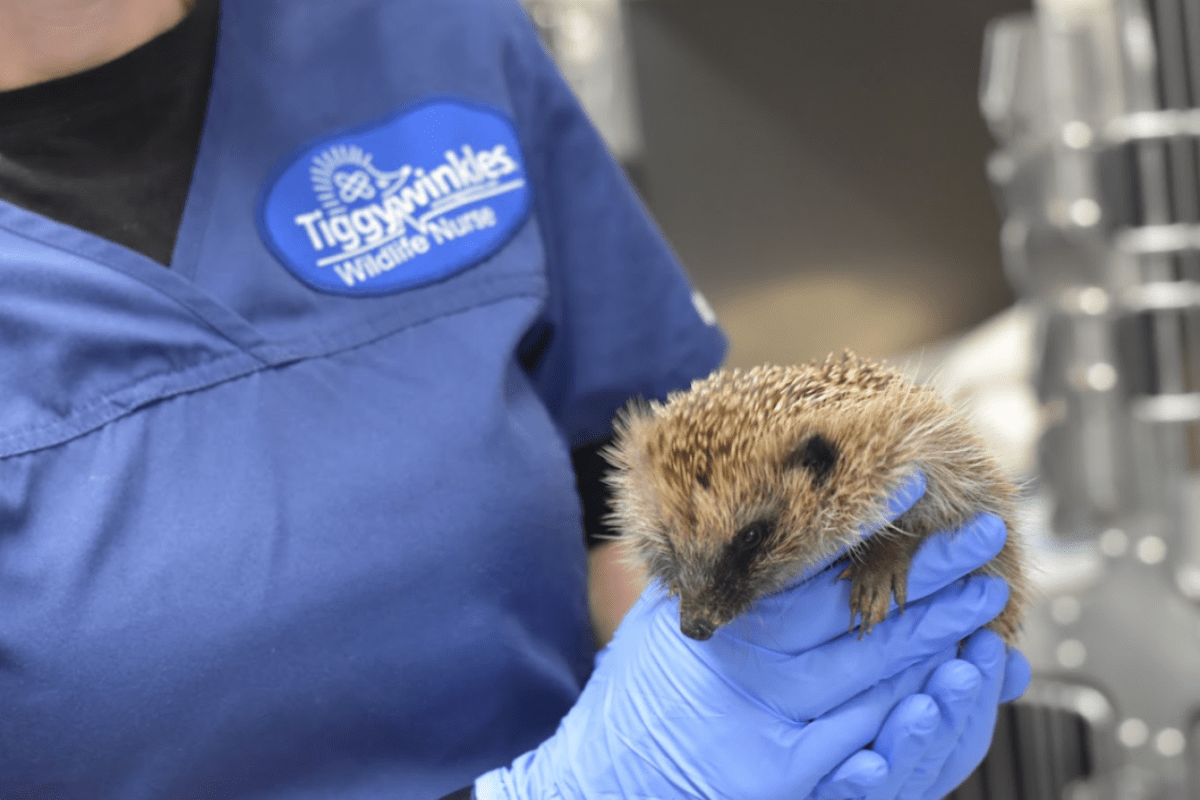
August is expected to be a hot month, and while we enjoy the weather, it can be unpleasant and in some cases even dangerous for wild animals.
One animal that is particularly at risk is the beloved hedgehog. Hedgehog numbers are in sharp decline, with a drop of up to 75% in some countries over the past 20 years, and they are now considered endangered.
Although our gardens are crucial in the fight against the further decline of the hedgehog population, certain elements of our summer gardens can actually be dangerous for the animals.
While our gardens can be a real haven for hedgehogs, certain elements can pose a danger at this time of year.
Ponds, paddling pools and even drains can mean serious injury or even death for hedgehogs. It is therefore essential that these areas are adequately secured. Simple measures in your garden can eliminate any risk and even provide important elements to keep our wild animals healthy in the heat.
If you have concerns about how to protect hedgehogs – and wild animals in general – in your summer garden, ask a local gardener to take a look at your outdoor spaces and make recommendations. Most measures are easy to implement and will make a big difference for the hedgehogs in your area.
During summer heatwaves, it is important to remember that hedgehogs not only struggle with the high temperatures themselves — many are also caring for tiny babies. Putting out shallow bowls of water and checking long grass or under shrubs before gardening can make a big difference, so that you don't accidentally disturb a nest. A small gesture of kindness can save an entire family of hedgehogs.
Make your ponds and paddling pools safe
In hot weather, wild animals, including hedgehogs, look for sources of water. A pond or a paddling pool can be very tempting — but hedgehogs could become trapped in them or even drown. To prevent this, cover your pools where possible or build a ramp so that the animals can climb out of danger. These ramps can take various forms, from wire mesh and tree trunks to small piles of stones. Check your pool or pond several times a day to make sure that no animal has fallen in.
Provide shelter
Shelter from the sun's rays is essential for hedgehogs. If you have a hedgehog house, place it in a shady spot, for example under a tree or a hedge. Otherwise, a pile of logs or leaves can provide a hedgehog with excellent protection from the heat. Avoid placing shelters on surfaces that can become hot, such as artificial grass, as this could burn the animal's feet and cause more harm than good.
Watch out for babies
Now is the time when you might spot a baby hedgehog. If so, observe it from a distance. Don't panic if it's alone; baby hedgehogs are usually independent of adults and don't always need to be rescued. Only intervene if they are obviously injured, in obvious danger, squeaking with their eyes closed, or appear smaller than an apple. If intervention seems necessary, take the baby hedgehog to a wildlife rescue centre or a vet. The heatwave makes it harder for hedgehogs and baby hedgehogs to find food and water, so it's a good idea to help them feed. However, be careful about what you give them. It is recommended to feed them tinned dog or cat food, or special hedgehog food. Do not give them dry food, as they cannot eat it, and no milk, as it can give them diarrhoea. A shallow bowl of water in which they cannot drown is also a good idea.
Let some areas grow wild
Wild areas in your garden provide a natural source of food and shelter from the heat. This could be a small corner or strip of your garden, or even a larger area that you simply let grow. If you let nettles and other weeds grow, you provide your hedgehogs with shelter during the warmer months.
Check your compost
Hedgehogs may seek shelter from the heat in your compost heap, so check it carefully before you dig it over or empty it. Many rescue centres report numerous injuries to hedgehogs caused by garden forks or spades. So proceed with care and turn the compost slowly before digging it over.
Provide water and food
It is important to provide a small bowl or saucer of water for small animals, so that hedgehogs can take in enough fluids and do not go looking for water in dangerous places. Place the bowl in a quiet, shaded spot. A healthy hedgehog should drink about two tablespoons of water a day, so it is enough to put out a small bowl of water every few days. Wet cat food is a good choice at this time of year, as it provides both fluids and nourishment.
Cover drains
Uncovered drains can pose a danger to hedgehogs – especially in hot weather. In the heat, hedgehogs may seek out drains as a water source and then become stuck inside them. It is important to cover your drains wherever possible to ensure the safety of our hedgehogs. Cover them with a special “drain cover”, or temporarily use a bag filled with water. If you plan to permanently build over your drain, you may need permission from your local authority.
Detailed information about this hedgehog awareness campaign can be found in English at https://www.mybuilder.com/blog/help-for-hedgehogs.
Summer 2026: Pro Igel Schweiz raises the alarm
A year on from these recommendations, the situation has grown even more critical. On 5 January 2026, Pro Natura chose the West European hedgehog as its «Animal of the Year 2026» – not because it is thriving, but because it needs help. In Switzerland, the hedgehog has been listed as «potentially endangered» on the Red List since 2022, and in 2024 the International Union for Conservation of Nature (IUCN) also classified it as threatened. Within ten years, the number of Western European hedgehogs declined by 16 to 33 per cent, depending on the country.
In July 2026, the association Pro Igel Schweiz raised the alarm over the persistent heat and drought: numerous hedgehog rescue centres reported unusually high numbers of orphaned young and weakened mothers. Increasingly, severely weakened, dehydrated or half-starved hedgehogs were being brought in, and the association assumes that many animals die unnoticed. The reason: in heat and drought, hedgehogs lack insects as food. The association appeals to the public to provide a shallow dish of fresh water in a shady spot and, in exceptional cases, to also feed weakened or nursing animals. The very measures described in this article are therefore more relevant than ever.
LET'S STAY IN TOUCH!
We would love to send you the latest news and offers in our newsletter.