EU aims to ban wild animals as pets
The EU is planning a ban on keeping wild animals as pets. The ban is intended to curb illegal wildlife trade.
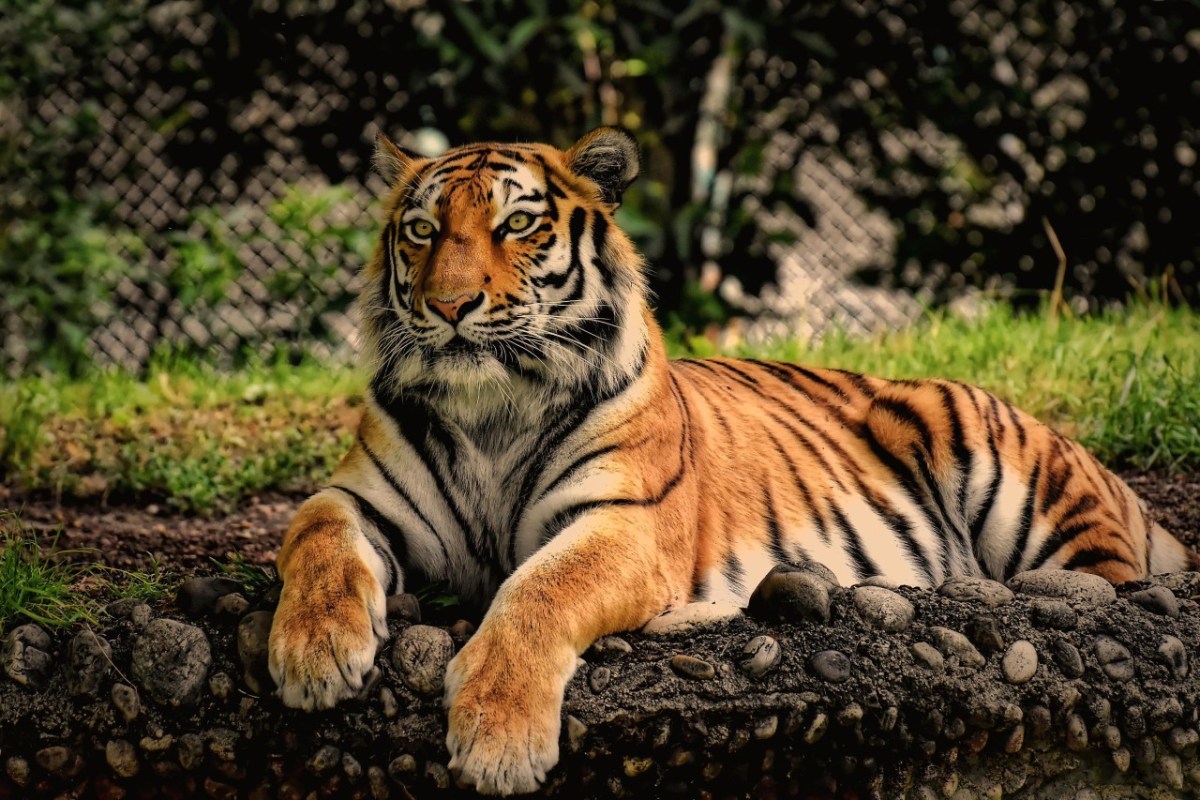
Some European countries want to ban the private keeping of wild animals in future.
The initiative serves animal welfare, as such animals are usually not kept and cared for in a species-appropriate manner.
Wild animals such as tigers or crocodiles could no longer be allowed to be kept as pets, according to the wishes of several EU countries. The background involves concerns regarding animal welfare, species protection and health protection, as emerges from a paper by Cyprus, Lithuania, Luxembourg and Malta. The countries presented the initiative on 24 May 2022 at a meeting of EU agriculture ministers. German department head Cem Özdemir (Greens) welcomed the plan on behalf of the government.
Specifically, it is proposed to introduce a so-called positive list. Any animal not on this list would then no longer be allowed to be kept privately in the EU. Which animals should be on this list is not specified in the proposal.
„It is well documented that trade in exotic species represents one of the greatest threats to biodiversity”, states the letter from the four countries. Many wild animals kept in captivity were previously living in the wild. The animals' suffering includes stress, boredom, depression and serious behavioural problems such as self-mutilation.
While cats or dogs can live long and happy lives in the company of humans, this is not the case for certain bird species or reptiles. Wild animals have complex social and dietary needs that make it difficult for ordinary keepers «to provide them with the care they need«. An estimated 100 million animals that are neither dogs nor cats are said to be kept in the EU.
The four EU states also refer to a study by the UN Environment Programme, according to which numerous animals died during capture or transport. Among the African grey parrots popular in animal keeping, for example, two thirds die in captivity. In addition, the risk of zoonotic diseases being transmitted from animals to humans increases. Wild animals can transmit diseases, which could endanger public health – or at least pose a personal risk.
More on the subject of recreational hunting: In our dossiers on recreational hunting gather fact-checks, analyses and background reports. The scientific evidence is presented in the overview Studies on the Effects of Recreational Hunting.
The position of IG Wild beim Wild: IG Wild beim Wild rejects recreational hunting. Our model is the canton of Geneva, which has managed without recreational hunting since 1974: without hunting seasons, without hunting dogs, without driven hunts, without high seats, without the animal cruelty and crime that go hand in hand with hunting season elsewhere. What has worked there for over fifty years disproves every position paper by JagdSchweiz. An association that bases its policy on claims it refutes in its own documents is not a professional organisation, but a factory for misinformation.

All articles are written by IG Wild beim Wild as well as by external co-authors. Research, structuring and editorial processes may be supported by AI-assisted tools.
Support our work
With your donation you help protect animals and give their voice a hearing.
Donate now →