Participation Campaign: An Appeal for Change in Switzerland
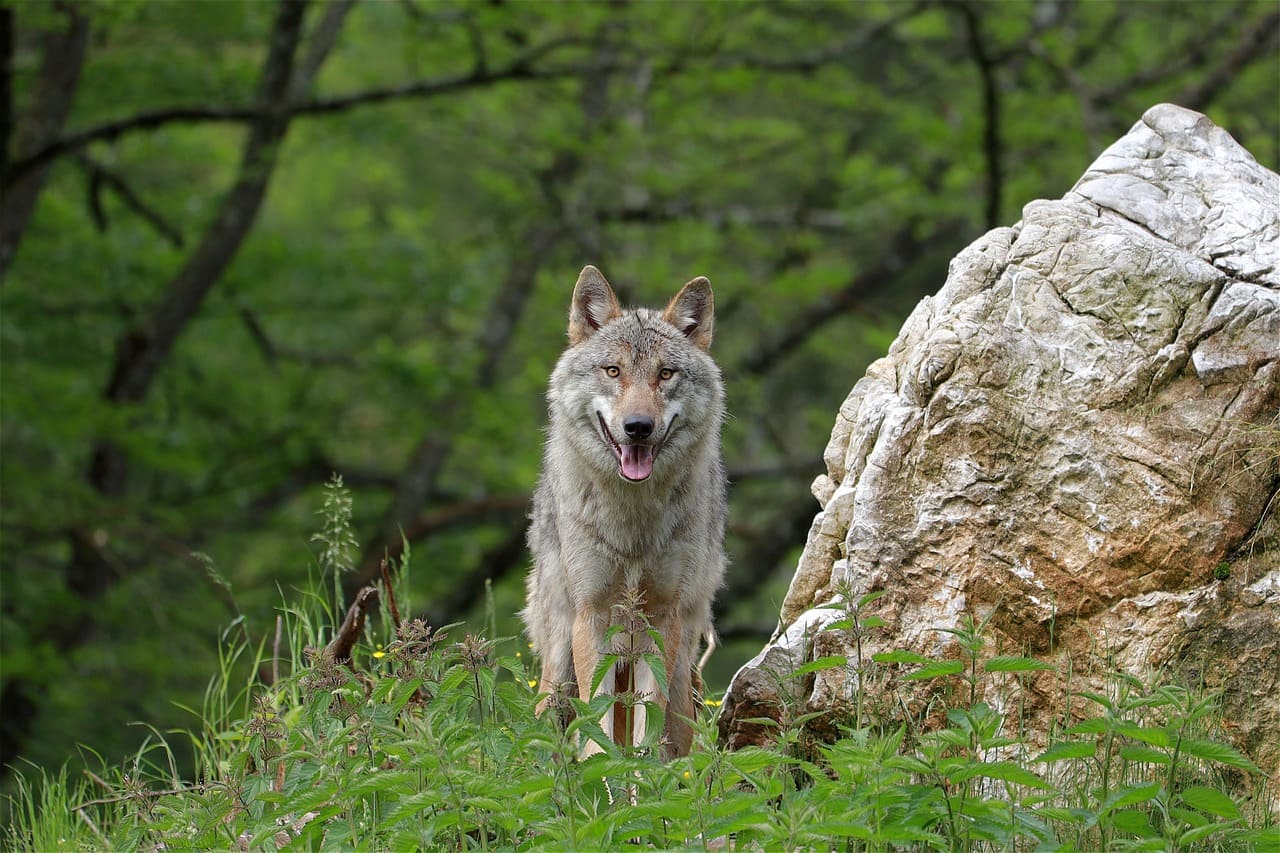
The wolf is not covered under hunting law. Therefore, hobby hunters are not permitted to intervene. This is reserved exclusively for wildlife wardens.

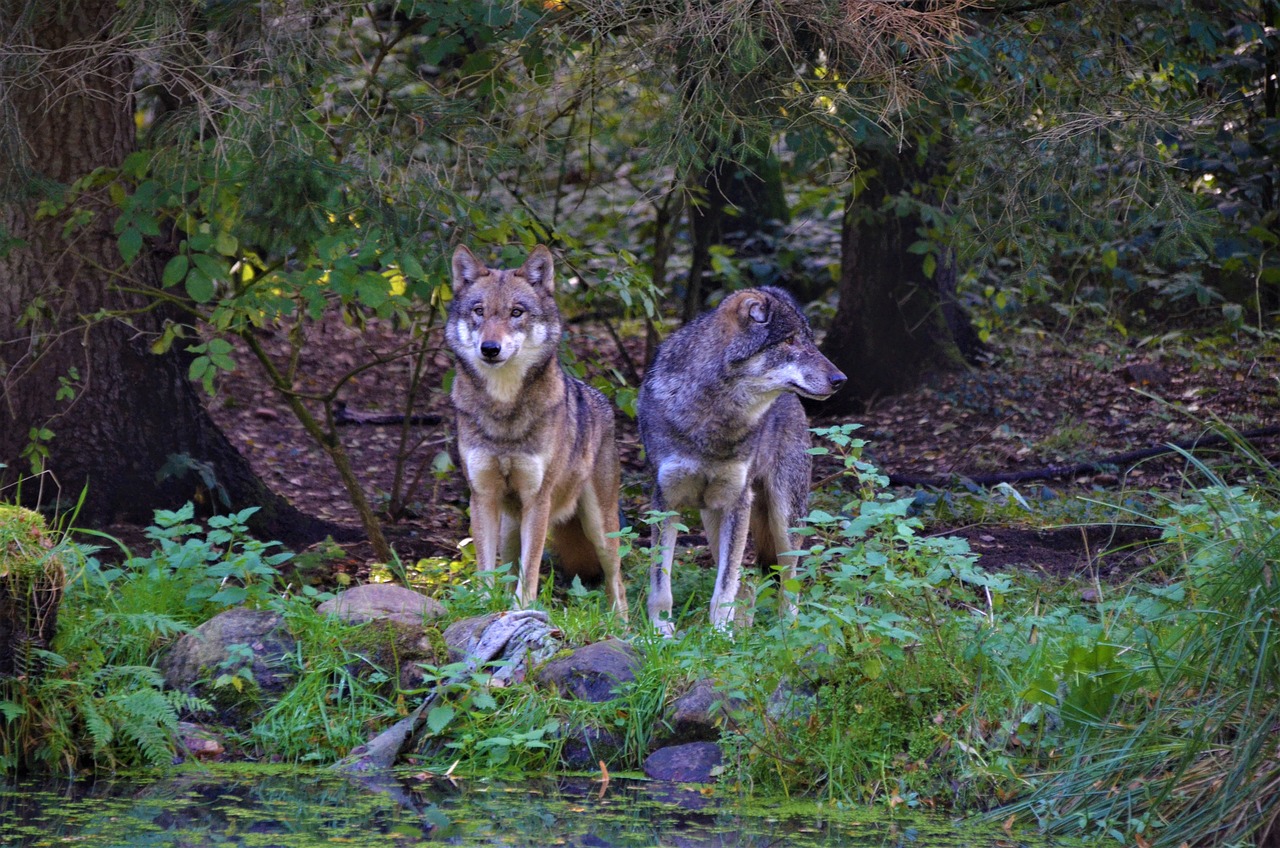
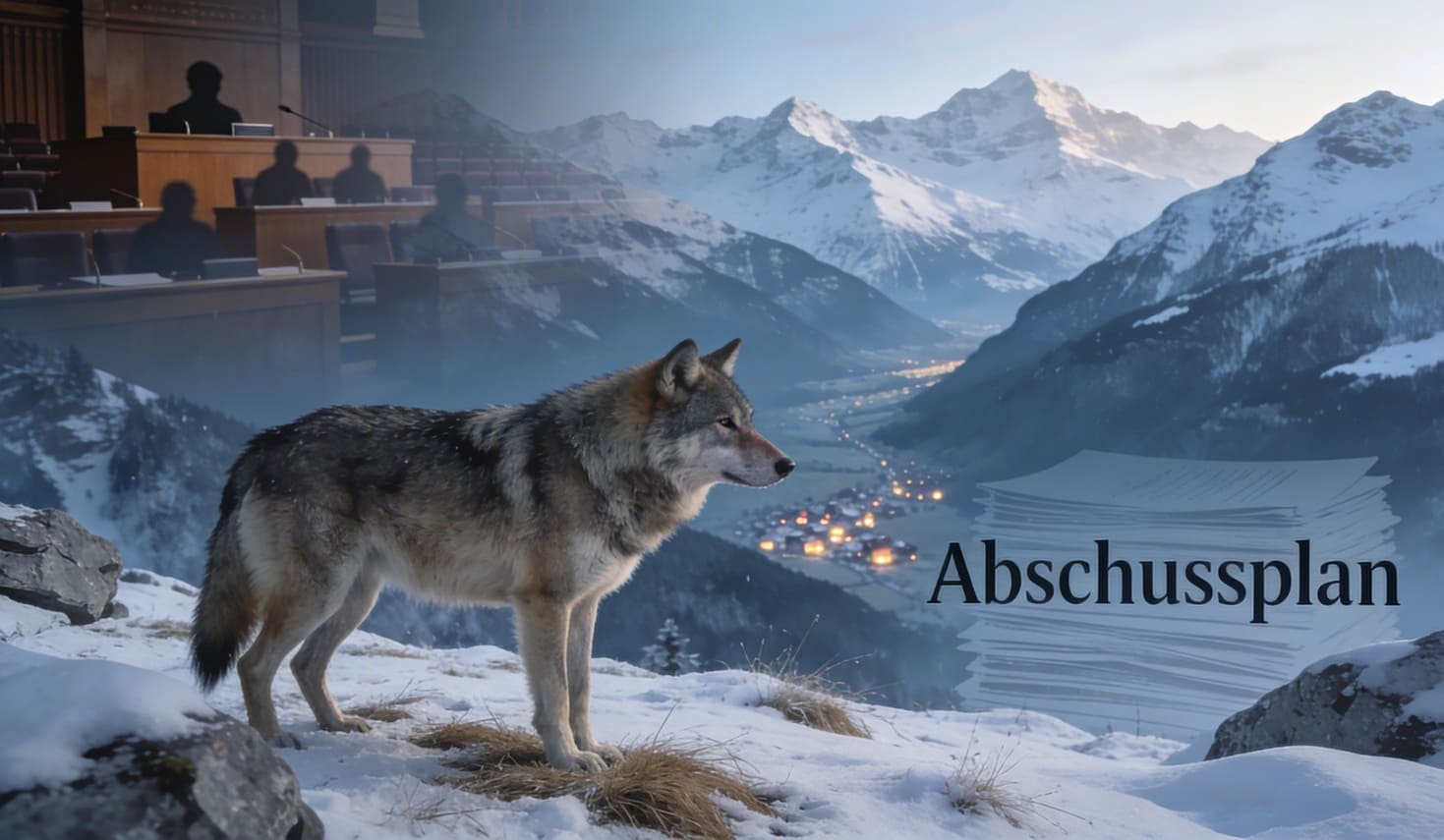
A few days ago, the culling of numerous wolves in Switzerland was approved on the basis of a recently enacted change in legislation.
However, wolves are a “strictly protected species” under the Bern Convention and the Convention on the Conservation of European Wildlife and Natural Habitats — both agreements that Switzerland has also ratified. The now-approved culling undermines these agreements and thus the protection of wolves. Furthermore, the decision to proceed with the culling contradicts the outcome of a national referendum held in 2020.
Orchestrated by Federal Councillor Albert Rösti (SVP), hobby hunters are now also being encouraged to begin illegally massacring wolves, even though the wolf is not covered under hunting law for them. This task is in fact reserved exclusively for wildlife wardens.
Reputable nature and animal protection organisations at home and abroad had sharply criticised the Federal Council’s approach in advance. Federal Councillor Albert Rösti now faces a wave of legal action, which will hopefully lead to his resignation. Such political conduct by a Federal Councillor — circumventing the will of the people — is unworthy of a democracy.
IG Wild beim Wild recommends that all those who regard democracy and the rule of law as values worth protecting should protest until Federal Councillor Albert Rösti resigns.
Federal Councillor Albert Rösti (SVP)
Federal Councillor Albert Rösti is not a good role model for the protection of biodiversity. Rather, he is a politician who arbitrarily sabotages years of constructive work in favour of biodiversity and forest protection, thereby further dividing society in these already turbulent times. A waste of taxpayers’ money without equal.
Since the appearance of the wolf, "only" around 5,000 sheep die during the summer grazing season in the Swiss Alps. Previously, around 10,000 sheep perished miserably each year due to falls, starvation, injuries, diseases, etc. Thanks to increased herding practices prompted by the wolf's presence, thousands fewer animals die each year. Although there are more and more wolves in Switzerland, the number of kills has decreased significantly in 2023 thanks to herd protection measures. In Graubünden, there was a 50% reduction, and in the canton of Glarus even 80% less.
The wolf is not the monster that the anachronistic Federal Councillor Albert Rösti presents to us. According to a TV interview on Tele Zürich, he would prefer to have no wolves at all in Switzerland.
Federal Councillor Albert Rösti presumably harbours diffuse fears of the wolf himself. These should be addressed and treated, rather than acted out uncontrollably.
With his policies, Federal Councillor Albert Rösti is damaging Switzerland's reputation abroad:221 environmental organisations from 6 continents call on the Swiss government: Stop the wolf culling
What does hunting the wolf cost?
The Uri Directorate of Security has already issued a shooting order twice this year for a “damage-causing wolf” — without success. This was confirmed by Security Director Dimitri Moretti during a question session of the cantonal parliament. He also revealed that the hunt has so far cost 50,000 francs — compared to the 45,000 francs consumed by the last culling in 2016. Now, two thirds of the population in Switzerland are to be arbitrarily massacred. This could incur costs of well over 10 million francs.
Resources are therefore being channelled into the time-consuming and costly wolf hunt rather than into meaningful herd protection. A strategy that runs diametrically counter to the coexistence of humans and animals.
Agriculture is not served by the shooting of entire packs, as new wolves immediately migrate in and, without herd protection, cause damage again — perhaps even more so.
Disproportionality
Every day, people in Switzerland are attacked and bitten by dogs. Fatalities, though rare, do occur. Not only cyclists and hikers are familiar with aggressive farm dogs. On average, eight dog-related accidents per year are severe enough to result in a disability pension. Time and again, escaped dogs also tear apart livestock and wildlife. Are they next in line?
Due to the unqualified hobby hunters, there are also several fatalities and hundreds of injuries every year.
Switzerland is at the bottom of Europe when it comes to species protection. More than a third of all species and half of all habitats are threatened. One reason for this is the far too high numbers of livestock such as sheep, goats and others. Humans and their livestock — kept mostly under conditions amounting to animal cruelty — account for 97% compared to just 3% for all wildlife in terms of biomass, according to a study. A disproportion of biomass without equal, one that should give us pause. Switzerland has also placed the lowest percentage of its territory under protection of any European country. We unfortunately also have what is arguably the most heavily subsidised agriculture in the world, which results in one of the most intensive agricultural systems anywhere. And we begrudge our wildlife nothing.
This cannot go on.
For activists
I join in this criticism and will protest until the wolf culls that have now been approved are fully reversed, Federal Councillor Albert Rösti announces his resignation, and the wolf is protected in Switzerland without any ifs or buts from this moment on.
Template letter: Application for remission of federal and cantonal taxes on the grounds of the recently approved wolf culls in Switzerland:
Dossier: The wolf in Switzerland: facts, politics and the limits of hunting
Further articles
- Swiss meadows are losing biodiversity at an alarming rate
- When sheep, cattle and others occupy the habitat of wildlife
- Swiss animal protection organisation criticises planned wolf culls as a threat to pack structures and livestock protection
- Wolf management incompetence runs rampant in Graubünden
- Val Fex: When the livestock protection concept has more holes than the fence
- Culling instead of protection – Switzerland on the path to silent wolf extermination
- Communication failure at the Office for Hunting and Fishing in Graubünden
- Illegal wolf hunting in Switzerland
- Wolf cubs in Switzerland caught in the crossfire
- Switzerland sells wolf massacre as a success
- Sloppy work in the office of Katrin Schneeberger
- Livestock grazing alters soil, plant, and insect populations
- The absurd hunt for wolves in Switzerland
- The truth about sheep mortality in Switzerland: causes and statistics
- Wolf culling in Switzerland: concerns about party politician Albert Rösti
- Let's stop the SVP's destructive rage
- Participate: An appeal for change in Switzerland
- 200 environmental organizations from 6 continents call on the Swiss government: Stop the wolf cull
- Federal Councillor faces sharp criticism from wolf experts
- The consequences of controversial wolf management in Switzerland
- Wolf: Federal Councillor Rösti (SVP) circumvents law and order
- Es Burebüebli mahn i nit
- Are FOEN and the hunting authorities still operating responsibly?
- Federal Councillor Albert Rösti tramples the will of the people
- The consequences of controversial wolf management in Switzerland
- Too many sheep harm biodiversity
- Agricultural use destroys alpine meadows
- Livestock losses despite herd protection — how is that possible?
- The rotten apple in St. Gallen's hunting authority
- Pro Natura calls for a comprehensive strategy for summer sheep grazing
- According to an Agridea study, herd protection with dogs works well
- Thanks to herd protection, wolves kill fewer livestock in Switzerland
- Farmers treat fields as disposal sites
- Biomass of wildlife
- On sheep farmers and vague authorities
- The double standards of wolf opponents