Nidwalden: No acute crow problem according to the cantonal government
According to the cantonal government, there is no acute crow problem in the canton of Nidwalden, meaning no increased intervention by the hunting authority is necessary.

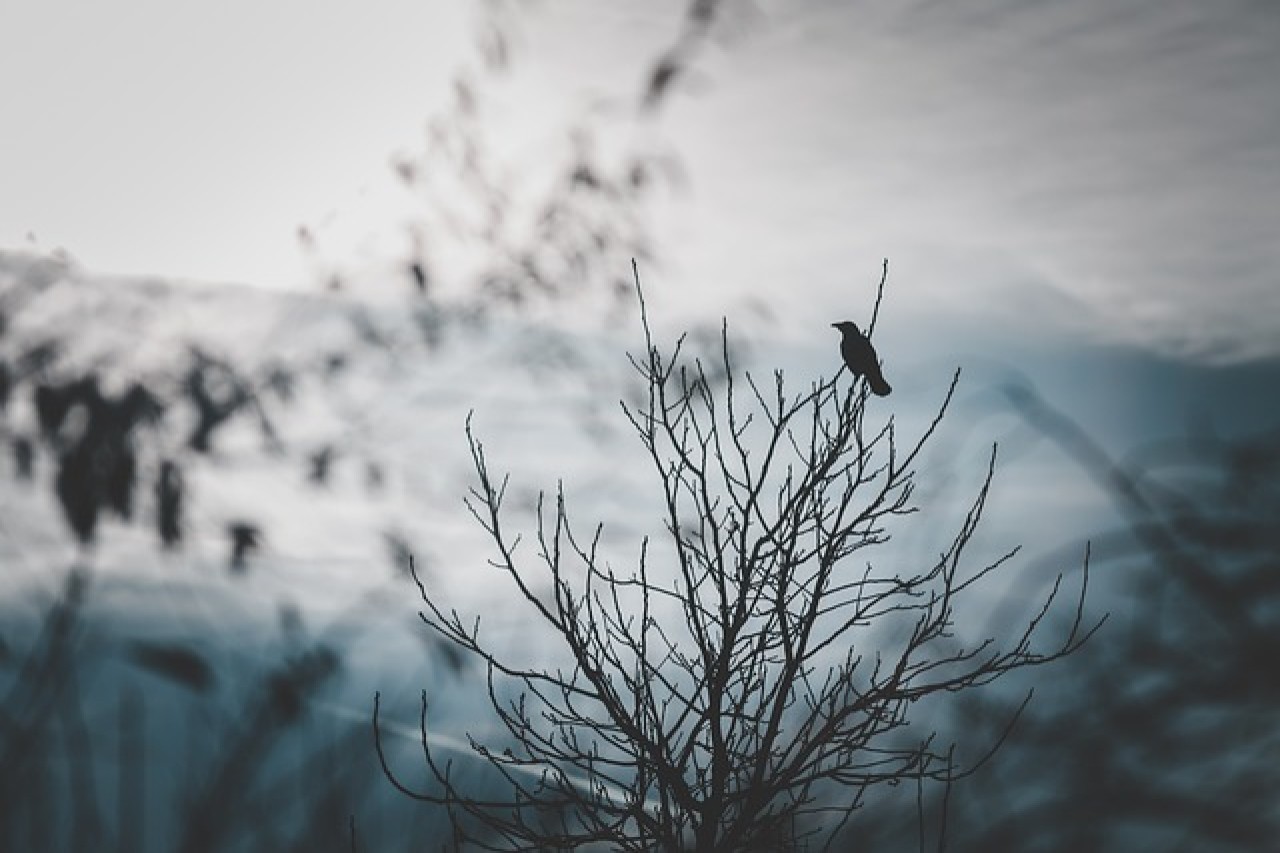
According to the cantonal government, there is no acute major problem with crows in the canton of Nidwalden.
There is therefore no reason for increased intervention by the hunting authority, it announced on Friday.
SVP cantonal councillor Beat Risi had spoken of a crow plague in the canton of Nidwalden in an interpellation. The number of crows has noticeably increased in recent years. The animals were reportedly puncturing silage bales and causing damage to maize fields. As studies confirm,recreational hunting fails as a method of population control.
According to Risi, the canton shows little understanding for the problems facing agriculture. The wildlife wardens appear to be taking a very passive stance regarding crows, he explained.
Measured response from the cantonal government
According to the cantonal government, however, the problem with the carrion crow, which is widespread in Nidwalden, is smaller than described. “Despite increasing cultivation areas, there is no evidence of a significant increase in the crow population,” it writes in its response to the interpellation.
In 2024, three cases of carrion crow damage were reported, the cantonal government explains. In two cases, protective measures were taken; in one case, compensation was paid. This demonstrates that cooperation between the wildlife wardens and agriculture is functioning. More on the hunting myths surrounding alleged wildlife plagues.
No need for comprehensive regulation
The figures showed that there was no large-scale or systematic crow damage, the cantonal government stated. Further measures or comprehensive regulation were not required.
The cantonal government also points out that in Nidwalden, the maize cultivation area has grown from just under 17 hectares in 2014 to over 32 hectares. This also increases the potential risk of damage.
The risk of damage can be managed through adjusted sowing times and deterrence measures, explains the cantonal government. There is therefore no reason for increased interventions by the hunting authority. Culling is in any case not a sustainable solution. The Geneva model also demonstrates that coexistence works without recreational hunters.
The cantonal government assures the interpellant, however, that it takes the crow problem seriously. Prevention, monitoring and targeted support for agriculture are, however, the most effective approach.
Get involved: Due to the catastrophic policy of Federal Councillor Albert Rösti (SVP), demand a tax remission request from your municipality for federal and cantonal taxes in light of the recently approved wolf culling in Switzerland. You can download the template letter here: https://wildbeimwild.com/ein-appell-fuer-eine-veraenderung-in-der-schweiz/

More on the subject of recreational hunting: In the dossier The Role and Criticism of Recreational Hunters we shed light on the training, power and self-image of recreational hunters. What the research says about this is shown by Hunting fact-checked: the state of research.
The position of IG Wild beim Wild: IG Wild beim Wild rejects recreational hunting. Our model is the canton of Geneva, which has managed without recreational hunting since 1974: without hunting seasons, without hunting dogs, without driven hunts, without high seats, without the animal cruelty and crime that go hand in hand with hunting season elsewhere. What has worked there for over fifty years disproves every position paper by JagdSchweiz. An association that bases its policy on claims it refutes in its own documents is not a professional organisation, but a factory for misinformation.