Corsica: A Holiday Tip for Animal Lovers
Perhaps the Corsicans' deep love of freedom is the reason why the animals on the island are also allowed to roam freely. Those who don't want to be controlled and restricted themselves tend to give their fellow creatures room to breathe as well.


Corsica holiday tip for animal lovers
“Ceasefire”
Where does an animal welfare advocate travel when they want a break from the suffering of animals and the stress of a pandemic? The beaches of the Atlantic and Mediterranean are still off-limits. Soon, however, holidays in France — and therefore on Corsica — should be possible again.
Since people have been largely confined to their own four walls, nature has been reclaiming territory piece by piece: the water in the lagoon city of Venice now looks clearer due to reduced traffic on the canals — and the fish are returning. Dolphins frolic in the harbours of Sardinia.
This spring, the cows on Corsica's beaches don't have to share the shore with anyone either. Like everywhere in France, the Mediterranean island of Corsica is still under a shutdown to slow the spread of the coronavirus. From 15 June, however, the borders are expected to reopen.

Cows basking in the sun on a beach in Corsica. 
Cows basking in the sun on a beach in Corsica. 
Cows basking in the sun on a beach in Corsica.


Corsica: A Mini-Continent with Wild Nature
In terms of its outline, Corsica resembles a clenched fist with a raised thumb. The French island — very sparsely populated, at least in its interior, with just 5 inhabitants per km² — consists largely of high mountain terrain. An impressive mountain landscape featuring a total of 50 peaks over two thousand metres runs through this mini-continent from northwest to southeast, gradually giving way to rolling hills as it approaches the sea. Corsica's coastline consists of countless bays with sandy beaches or towering granite formations, some of which drop steeply into the sea.
The Mouflon is the symbol animal of Corsica and is rarely found anymore due to hunting. The animals were hunted until 1953 and were thus almost completely wiped out. Recreational hunting of the mouflon is prohibited today. It is a primitive sheep that has not been altered through breeding or crossbreeding.
In addition to the flora, the wildlife of Corsica is very impressive. Although relatively few mammal species live on the island, among them are around 800 strictly protected mouflon wild sheep. The attentive hiker can delight in numerous lizards, fire salamanders, geckos, praying mantises, Aesculapian snakes, and grass snakes. And those with particularly good luck may even encounter a Hermann's tortoise in the coastal region. Grasshoppers, loudly chirping cicadas, bumblebees, and butterflies are never far to seek — they accompany you every step of the way. In the species-rich maquis, the many Corsican bee colonies also find food year-round. This wildflower honey tastes incredibly delicious. The island's birdlife, too, offers some special highlights alongside common Central European species, such as ospreys and bearded vultures. Those crossing to Corsica by ferry may spot dolphins or even a fin whale in the water. The biodiversity of Corsica is impressive.
Beyond the attractions described, however, Corsica above all offers one thing: no mistreated animals, writes Ursula Bauer from aktion Tier. For example, there is no factory farming on the island. Agricultural animal husbandry is mostly small-scale. Pigs, donkeys, horses, ducks, chickens, and geese bustle around scattered farmsteads. Farm dogs are not kept on chains, but roam wherever they please — and most preferably in the driveway, basking in the sun.
Every landowner formerly had to plant 4 trees per year
Characteristic of Corsica are the free-roaming, often semi-feral domestic pigs, which feed primarily on the abundant acorns, beechnuts, and especially chestnuts found on the island. In earlier times, the sweet chestnut was an important food source for the Corsicans. The chestnuts were processed into flour and fed to livestock. As a measure against the looming deforestation of Corsica, the Genoese decreed in the 16th century that every landowner had to plant at least 4 trees per year. Although several tree species were available to choose from, the Corsicans planted sweet chestnuts above all else. In addition to smaller forests and scattered stands, a vast chestnut forest still exists today in the hilly region between Aleria and Bastia in eastern Corsica — known as the Castaniccia (chestnut grove). It is well worth sampling the various sweet chestnut products such as jam, baked goods, and beer that are available for purchase on the island.
Around 30’000 semi-wild domestic pigs, which frequently interbreed with the wild boar also found on the island, are said to live there. Entire herds of pigs can be encountered on the beach or in the middle of the road. Completely relaxed, these curious animals approach and can sometimes prove to be genuinely persistent beggars. Caution is definitely advised here. These characters, interested in tourists’ provisions, can deliver a painful bite and should therefore never be fed or petted.
Particularly in the hilly hinterland of Corsica, one finds garden-like groves of orange, lemon, almond, and olive trees interspersed with small vineyards. Here, sheep and goats are mostly tended by shepherds following age-old tradition. The herds frequently migrate in summer to the higher mountain regions, where the shepherds have built small stone huts (known as bergerien) in which they not only live but also process the sheep’s and goat’s milk into cheese. To carry their supplies and personal belongings, the shepherds usually take donkeys along. These too are then free to roam as they please and enjoy the summer in the mountains.
Free-roaming cattle are also a common sight in Corsica. On the beach, hordes of tourists and herds of cattle amicably share the finest sunbathing spots. And in the mountainous regions, you can expect to find a cow and her calf grazing by the roadside around the next bend. The animals are accustomed to the relatively light traffic and are not easily disturbed. Accidents are very rare, as drivers are generally considerate and navigate around the animals, which sometimes lie right in the middle of the road. Even when climbing in the alpine mountain regions, you regularly encounter cattle grazing on rock herbs at dizzying heights. Overall, however, their interest in people is rather limited — they prefer to keep their distance, and everyone goes their own way.
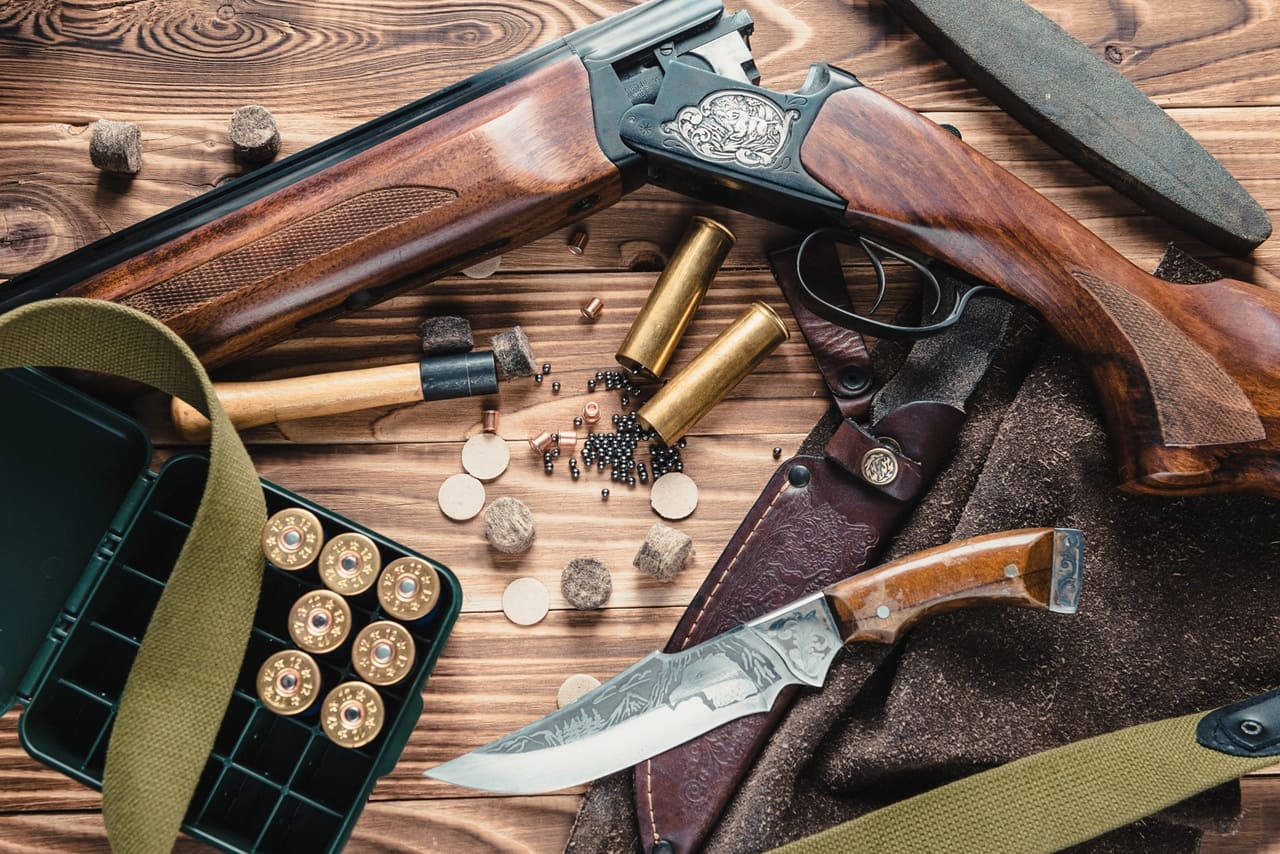
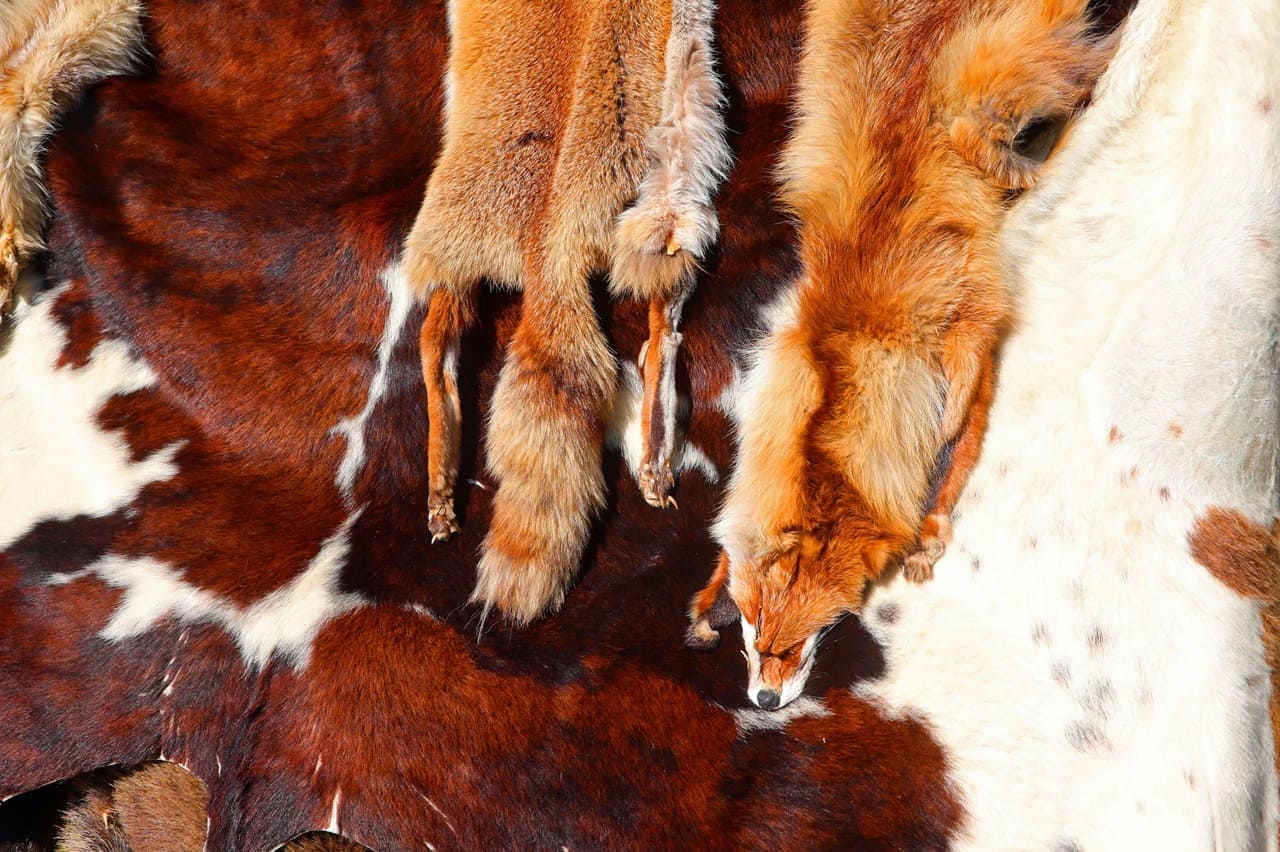
More on the subject of recreational hunting: In the dossier The Role and Criticism of Recreational Hunters we shed light on the training, power and self-image of recreational hunters. What the research says about this is shown by Hunting fact-checked: the state of research.
The position of IG Wild beim Wild: IG Wild beim Wild rejects recreational hunting. Our model is the canton of Geneva, which has managed without recreational hunting since 1974: without hunting seasons, without hunting dogs, without driven hunts, without high seats, without the animal cruelty and crime that go hand in hand with hunting season elsewhere. What has worked there for over fifty years disproves every position paper by JagdSchweiz. An association that bases its policy on claims it refutes in its own documents is not a professional organisation, but a factory for misinformation.