Coriander: A Herb with Character
Coriander divides opinions: some love its intense aroma, while others cannot warm to it. But one thing is certain: this versatile herb, with its delicate leaves and aromatic seeds, is indispensable in many kitchens around the world.

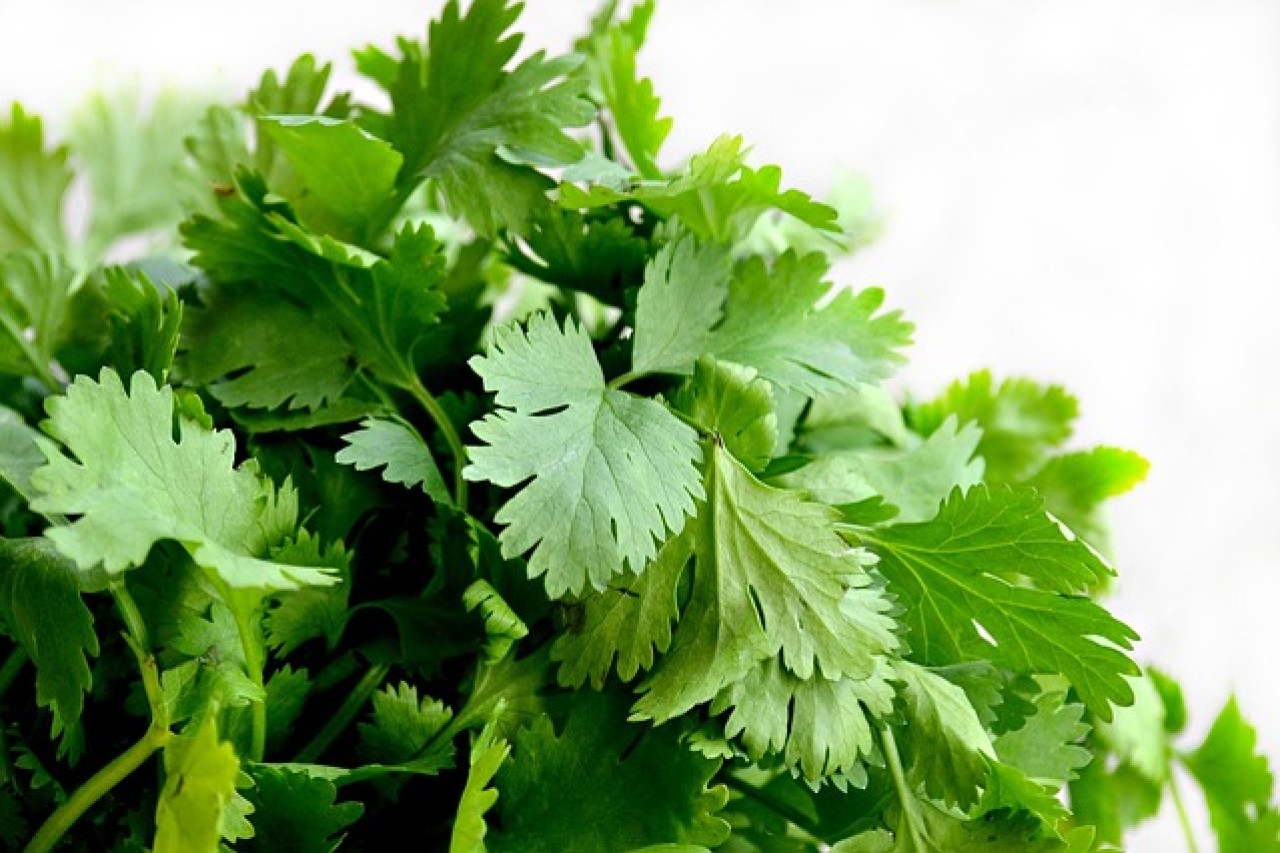
Coriander is a plant that can be used almost in its entirety – from the leaves and seeds to the root.
While fresh coriander leaves are used particularly in Asian and Latin American cuisine, the seeds are also a well-known spice in European cooking. The leaves are characterised by their citrusy-peppery aroma, while the seeds taste milder and slightly sweet.
Fresh coriander leaves pair excellently with curries, salads and salsas, or are scattered over dishes as a garnish. The seeds, meanwhile, are found in bread spices, pâtés and sausages, and are an indispensable component of many curry blends. Their aroma becomes particularly intense when they are lightly toasted before use and freshly ground.
That certain something in the kitchen
Coriander is one of the oldest known spices and has been found in the tombs of Egyptian pharaohs. It originally comes from the Mediterranean region and the Middle East, but is today cultivated worldwide. In Europe, the herb grows mainly from April to August, but can be obtained year-round from greenhouses or as imported produce.
In addition to its unique flavour, coriander also offers health benefits. It aids digestion, helps with stomach cramps and bloating, and can make hard-to-digest foods more palatable. Coriander also has an appetite-stimulating and calming effect, and is therefore often found in herbal teas. Whether as an aromatic seasoning in exotic dishes or as a subtle note in baked goods – coriander lends food that certain something.
Herb cultivation in Switzerland
Although herb cultivation in Switzerland has developed significantly over the past 30 years, it remains a niche. Swiss herbs are enjoying growing demand – whether as culinary spices, medicinal plants, or for the cosmetics and confectionery industry. However, production costs for herbs in Switzerland are high, and therefore the demand for herbs is largely met through imports.
Swiss farming families cultivate a wide range of herbs and spices. In addition to well-known varieties such as parsley, basil, and thyme, less common plants such as scurvy grass, medicinal onions, and angelica are also grown. Organizations such as Pro Specie Rara are committed to preserving rare and traditional herb varieties and promoting their cultivation. More than half of the cultivation area for culinary and medicinal herbs in Switzerland is managed organically. Also, plant-based nutrition is gaining importance in Switzerland.
Mountain herbs: tradition and quality
Over a third of total Swiss herb production takes place in mountain regions. The cultivation of dried herbs in particular occurs predominantly in mountain areas, as the climatic conditions there are ideal for production. Growing at higher altitudes can positively influence the active ingredients of herbs and offers an additional sales value. It also presents an opportunity for the economic strengthening of mountain regions and the preservation of traditional agriculture.
With the founding of the working group «ArGe Bergkräuter» in 1985, the foundation for coordinated herb production was established. Today, «ArGe Bergkräuter» is the umbrella organization for Swiss herb cultivation. Swiss herbs are marketed through large distributors, retailers, and companies from the spice, tea, confectionery, cosmetics, and pharmaceutical industries.
Herb production in Switzerland requires a great deal of manual labor. In addition to securing sales, the appropriate location is an essential prerequisite for successful cultivation. Despite high production costs, the Swiss herb market continues to offer potential for growth, particularly in the area of organic and sustainable agriculture. More on environmental and nature conservation.
| You can help all animals and our planet with compassion. Choose compassion on your plate and in your glass. Go vegan. |