Captive breeding programs in zoos harm wildlife
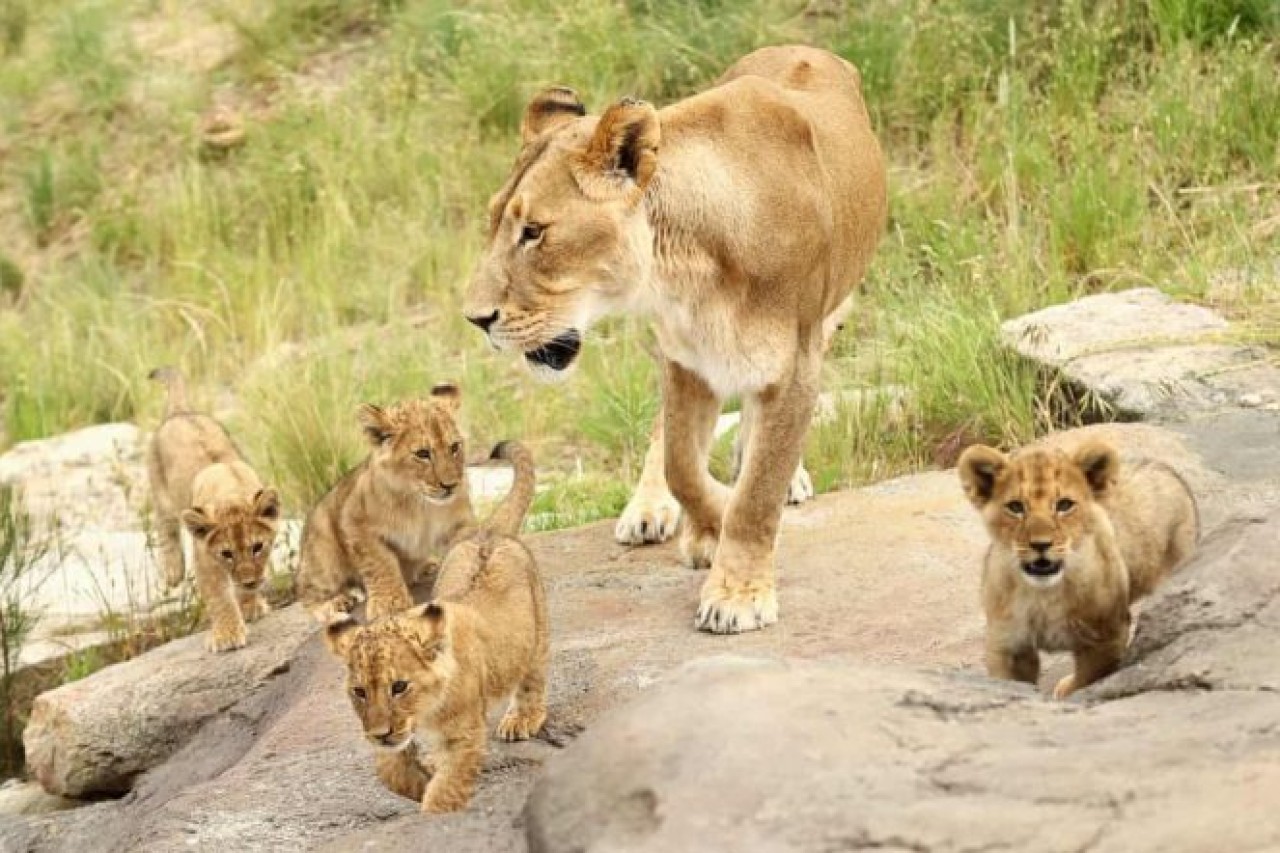
Worldwide studies show that captive breeding affects all animals, from butterflies to elephants, and that lions develop a weaker bite force.

Animals bred in captivity animals develop physical changes that may hinder their survival in the wild, according to a study.
Captive breeding programs lead to shorter wingspans in birds and behavioural changes that make animals more vulnerable to predators, according to a worldwide study.
A global phenomenon from butterflies to elephants
The analysis by the Australian National University shows that the captive environment drastically alters the selection pressures on animals. Dr. Dejan Stojanovic of the ANU, a co-author of the study, said that “seemingly isolated examples of major changes in the phenotype of animals” were part of a trend that had gone unnoticed for decades. “It is a global phenomenon affecting everything from butterflies to elephants.”
Lions and other carnivores bred in captivity, for example, develop different skull bone shapes and reduced bite force, likely due to being fed minced meat. Monarch butterflies, whose migrations normally span thousands of kilometres, lose their migratory instinct in captivity, are unable to orientate southward, develop a different wing shape, and have a weaker grip strength.
Examples from Australia
The orange-bellied parrot, an endangered species whose wing shape has changed in captivity. Male regent honeyeaters, also endangered, whose song in captivity is shorter and less complex, making them less attractive to mates in the wild. Northern quolls lost their aversion to predators within 13 generations after being released on an offshore island without predators.
Stojanovic said that birds in captivity have less pointed and shorter wings. "This shape is less suitable for migration." Orange-bellied parrots are highly dependent on captive breeding. "Wild birds are genetically completely intermixed with captively held birds," said Stojanovic.
Adaptive management as a solution
The authors of the report point to the success of “adaptive management”. "Between 1999 and 2009, 423 orange-bellied parrots were released at Birch's Inlet near Strahan in western Tasmania, all of which died," said Stojanovic. "In the years that followed, the approaches were adjusted and now we have the largest population of orange-bellied parrots in the wild in a long time."
Dr. Ben Pitcher, a behavioural biologist at the Taronga Conservation Society, said: "If we could avoid a breeding programme from the outset, we would. The most successful and cost-effective method is early intervention so that a species never reaches the point where it needs to be reintroduced."
Dr. Marissa Parrott, reproductive biologist at Zoos Victoria, said that captive breeding is an important tool today. "The IUCN recommends that more than 2,000 species worldwide require captive breeding programmes to avoid extinction."
| You can help all animals and our planet with compassion. Choose compassion on your plate and in your glass. Go vegan. |