Biophysical Factors Influence Species Distribution
Temperature, precipitation, and soil type determine where species spread. A study reveals the influence of biophysical factors on populations.


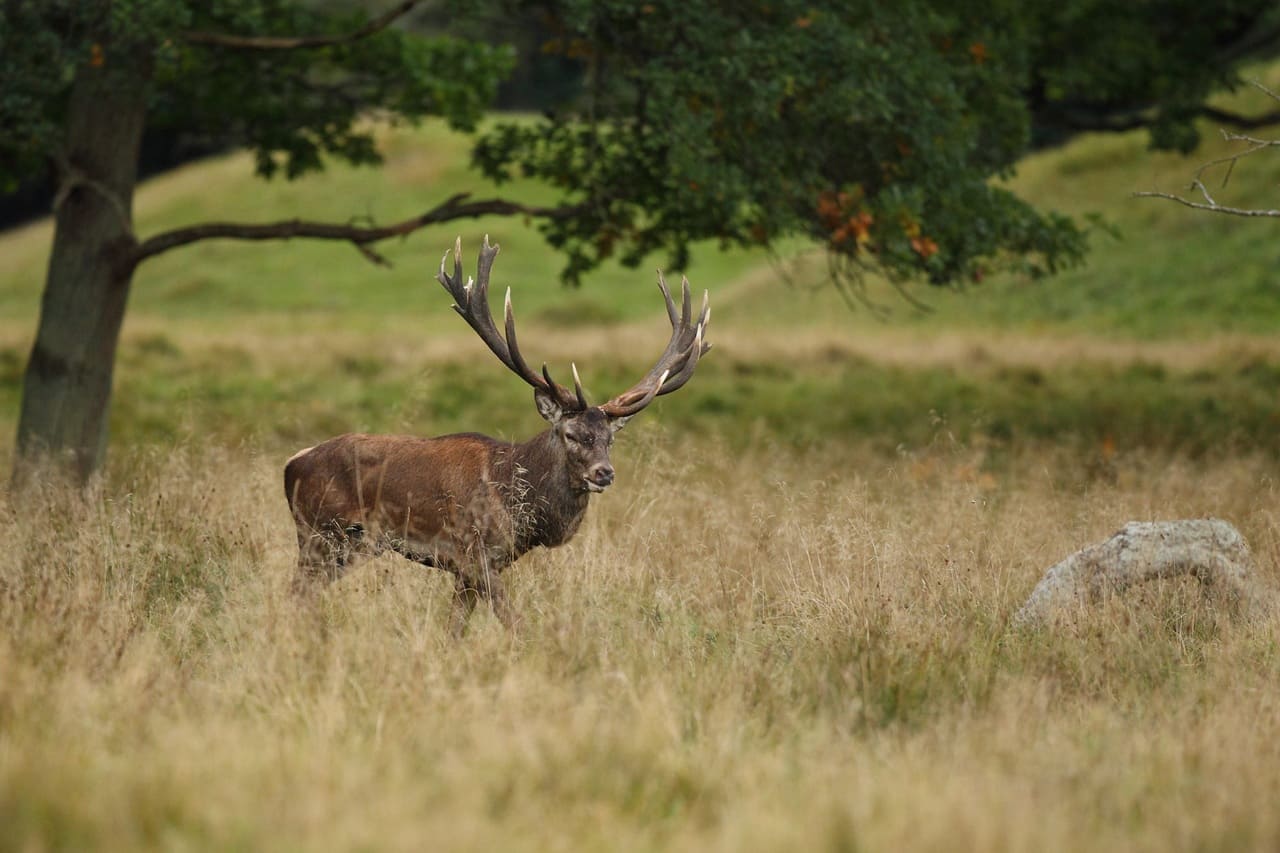
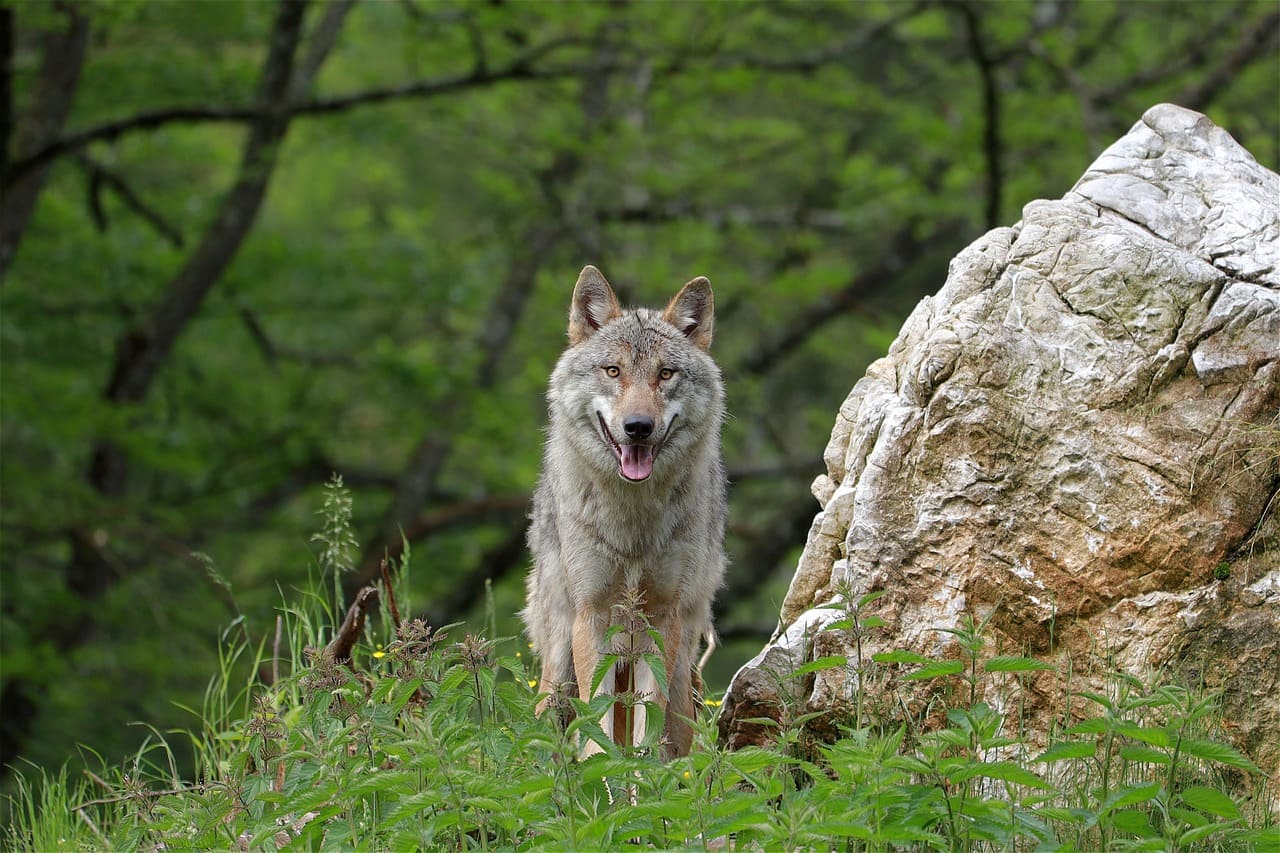
The coexistence of humans with large wild mammals such as wolves, deer, or wild boar has never been without its challenges.
Wildlife can pose a threat to livestock — the relationship between wolves and sheep is a good example. Or wildlife such as wild boar: they strip fields bare and endanger harvests.Intensive hunting has led to disproportionate interventions in wildlife populations over the centuries. But how significant is the negative influence of recreational hunters on the survival of large wild animals? What role, in contrast, do biological and physical influences such as weather conditions, disease, and population crashes due to food shortages play? Until now, there has been little scientific knowledge on this subject.
Scientists have investigated these questions in a large-scale study The results have recently been published in the renowned scientific journal «iScience».
Indeed, many fine-scale studies show that the presence or habitat use of large mammals is primarily negatively affected by proximity to human infrastructure such as paths, roads, or towns.
Furthermore, studies show that species are often forced to adapt to human proximity through temporal segregation (e.g., animals become primarily active at night).
Even though European protected areas have, on average, a lower human footprint, they are not free from human disturbance. In fact, most European protected areas permit the killing of large herbivores as well as grazing by livestock, extensive agriculture, and forestry.
But how are small mammal species faring in coexistence with humans? How dramatic are population collapses due to habitat loss and ever-narrowing ecological niches? While large, charismatic species such as wolves and lynxes are at the centre of conservationists' attention and dominate media coverage, small mammal species like the European hamster and the barbastelle bat tend to live in obscurity and are therefore easily overlooked. Large, charismatic wild animals have an easier time being seen.
«Coexistence is a challenge. Europe is densely populated and a landscape heavily altered by humans; that is why we can only achieve positive outcomes through effective wildlife management in collaboration with farmers and foresters, landowners, practitioners and politicians«, emphasises Prof. Dr. Klaus Hackländer, board member of the Deutsche Wildtier Stiftung.
Study: Coexistence of large mammals and humans is possible in Europe’s anthropogenic landscapes
More on the subject of recreational hunting: In our dossiers on recreational hunting gather fact-checks, analyses and background reports. What the research says about this is shown by Hunting fact-checked: the state of research.
The position of IG Wild beim Wild: IG Wild beim Wild rejects recreational hunting. Our model is the canton of Geneva, which has managed without recreational hunting since 1974: without hunting seasons, without hunting dogs, without driven hunts, without high seats, without the animal cruelty and crime that go hand in hand with hunting season elsewhere. What has worked there for over fifty years disproves every position paper by JagdSchweiz. An association that bases its policy on claims it refutes in its own documents is not a professional organisation, but a factory for misinformation.