Austria: Fact-checking wolf myths
Not a cuddly toy, but not a wild beast either: High time for real solutions to enable coexistence with as little conflict as possible – Austria needs wolf management that complies with the law.


Not a cuddly toy, but not a wild beast either: High time for real solutions to enable coexistence with as little conflict as possible – Austria needs wolf management that complies with the law.
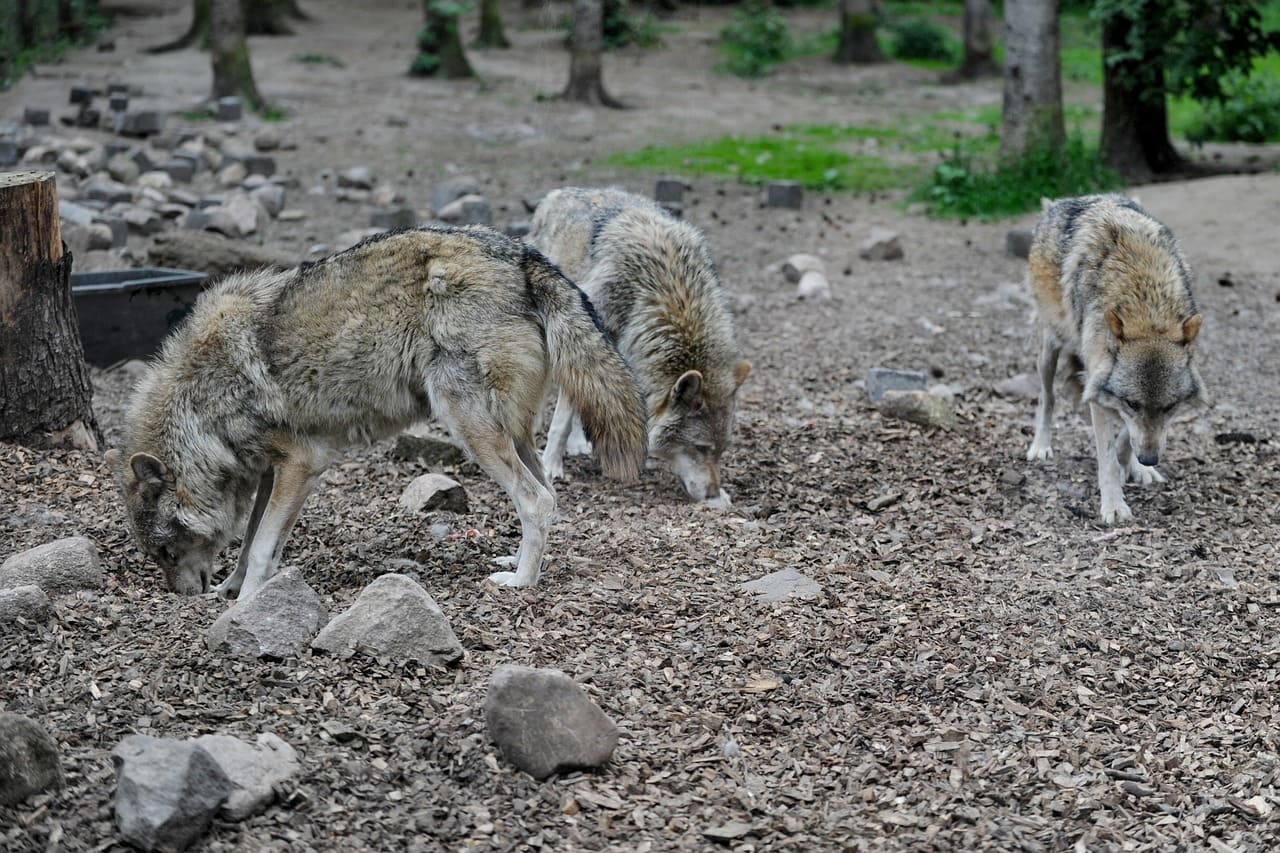
Can the wolf be made shy again through deterrence or culling? How realistic is a wolf-free Alpine region? The nature conservation organisation WWF Austria dispels prejudices and pub-talk slogans surrounding the wolf and puts the myths to the test.
Recently, an Austrian daily newspaper reported that nearly 300 years ago children were “torn apart by wolves” on their way to school, and that it was “only a matter of time” before “the wolf attacks humans here again”. These and similar horror stories are deliberately stoked by certain politicians and farmers’ representatives.
Myth 1: Blank shots can make the wolf shy again
Deterrence without proper livestock protection is unlikely to succeed. If livestock protection is abandoned, the wolf learns that unprotected sheep represent easy prey. In 2017, a total of 21 sheep were killed by wolves across all of Austria; by comparison, at least 8’000 sheep die each year from disease, lightning strikes, falls, or because injured animals in unattended herds are noticed too late.
Myth 2: We need “wolf-free zones”
The targeted regional hunting of wolves to create “wolf-free zones” clearly contradicts EU nature conservation law. The wolf is a wide-ranging species that can cross half of Europe in a relatively short time. To establish “wolf-free zones” in our region, thousands of wolves would have to be killed in the Alps and within a 1’000-kilometre radius beyond.
Myth 3: Sheep kills create a “problem wolf”
A wolf that preys on unprotected sheep is not yet a “problem wolf”. Its behavior is much the same as that of a dog presented with a sausage right under its nose. The wolf naturally eats whatever can be obtained with the least effort and energy expenditure. In Austria, this is largely wildlife (primarily deer, roe deer, and wild boar), as these are available in abundance.
Myth 4: Wolves can overcome any fence
This is incorrect, because wolves generally do not jump high. Thin electric fence nets as low as 90 centimetres have already proven effective. Livestock protection is now well under control in Germany and Switzerland, and Austria could learn a great deal from their example.
Myth 5: Wolves are getting closer and closer
The risk of being attacked by a wolf in Austria is virtually zero. Our country has one of the highest ungulate densities in Europe, and wolves find sufficient natural prey. The fact that wolves are shy does not mean they remain “invisible.”
Myth 6: Preventive culling is necessary
Healthy wolves react shyly and cautiously toward humans. Compared to other formidable animals such as wild boars or cows, the danger posed by wolves is greatly overestimated. Since the return of wolves to Germany (after two decades, currently 60 packs, approx. 500 wolves) and to Switzerland (three to four packs, approx. 50 wolves), there has not been a single attack or injury.
By contrast, in 2016 alone, Austria recorded around 3’100 hospital-treated injuries from dog bites, and approximately 260 people are injured each year in wildlife-related road accidents. More on hunting myths and why hobby hunting fails as a means of population control.