A case of cat ownership and unlawful appropriation
An affection for a cat brought a 68-year-old retiree before the District Court of Zurich. According to the prosecutor’s penalty order, the woman had systematically fed her neighbour’s tomcat “Leo” — until he no longer wanted to go home.

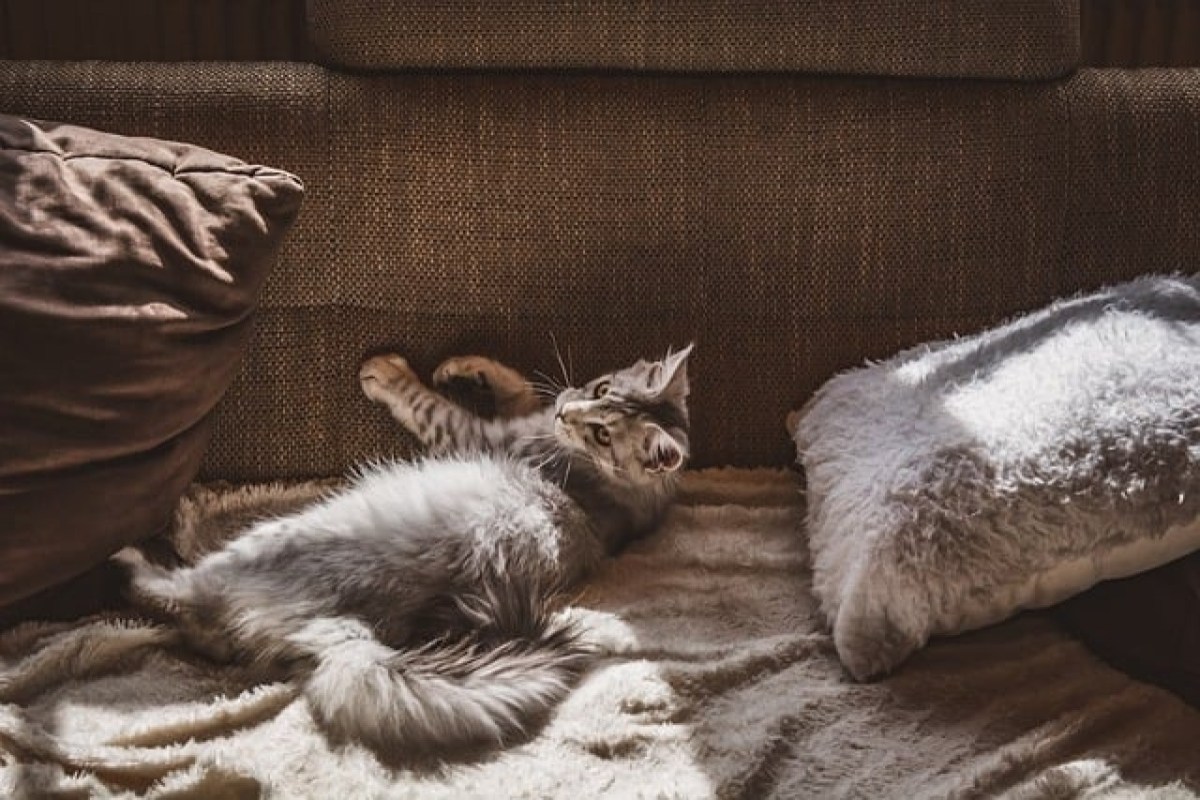
“Ceasefire”
The prosecution sought to convict the retiree of unlawful appropriation and impose a suspended fine of 30 daily penalty units of 120 francs each.
In addition, a fine of 800 francs was to be imposed. Because the woman did not accept the penalty order, the case went to trial.
The retiree had repeatedly fed “Leo”, who lived in the same building, over a period of around 10 months, and had let him into her apartment. She continued to do so even after the owner had expressly forbidden it in writing.
According to the penalty order, the accused also reprogrammed her own cat flap so that “Leo” could come and go at any time. The result was that the rightful owner waited in vain with his food. “Leo” never returned.
Systematic “baiting” is a criminal offence
Cases like this are increasingly ending up in court, as the rightful owners report the “feeders” to the authorities. In legal terms, cats are “other people’s property”. Systematically feeding and letting in a neighbour’s cat is considered unlawful appropriation. However, as long as neighbouring cats are only fed occasionally, this does not constitute a criminal offence.
On 6 May 2025, the 68-year-old was able to avoid a conviction for “baiting” her neighbour’s tomcat. She reached a settlement with the owner at the District Court of Zurich.
The terms of the settlement are not known. However, at the margins of the hearing, both parties told the media that the retiree is now the new owner of “Leo”. The previous owner withdrew her criminal complaint.
Both parties appeared at the District Court accompanied by lawyers. The settlement proceedings were conducted by the court in camera. The costs will be borne by the court treasury.
More on the subject of recreational hunting: The scientific evidence is presented in the overview Studies on the Effects of Recreational Hunting.
The position of IG Wild beim Wild: IG Wild beim Wild rejects recreational hunting. Our model is the canton of Geneva, which has managed without recreational hunting since 1974: without hunting seasons, without hunting dogs, without driven hunts, without high seats, without the animal cruelty and crime that go hand in hand with hunting season elsewhere. What has worked there for over fifty years disproves every position paper by JagdSchweiz. An association that bases its policy on claims it refutes in its own documents is not a professional organisation, but a factory for misinformation.