Zoos in England closing due to crisis
More and more zoos in England are closing due to the economic crisis. Rising energy costs and falling visitor numbers are threatening their survival.


Zoos are facing a range of threats, from falling visitor numbers to the financial blow dealt by Covid, to the alarming impact of enormous energy bills.
At the beginning of September, Bristol Zoo — one of the oldest zoos in the world — closed its doors for the last time after 186 years, and now there are fears for the future of other zoos.
The owner of a «zooquarium» in England has stated that he may have to euthanise his animals due to the new cost-of-living crisis.
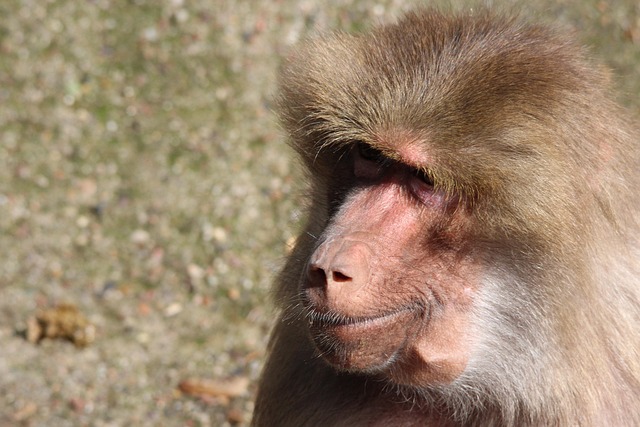
Phillip Miller keeps tropical fish, monkeys, meerkats and other animals at Sealife Adventure in Southend, all of which require a great many resources to survive.
Speaking to ITV News, he explained that the facility’s annual electricity costs have tripled — from £240,000 to around £750,000. He said it would be too costly to keep the animals if the zooquarium were to close in order to save money.
«All these animals need to be kept warm — or cold — or a combination of both, and that’s around the clock, seven days a week», he explained. «And they need to be fed — that’s a huge bill to meet.«
Miller said the animals would either have to be euthanised or rehomed. When the interviewer pointed out that it might be difficult to find homes for the animals, Miller replied: «That’s the problem. I imagine all the other zoos will be in the same boat.»
Miller is not the only zoo affected by the ongoing cost-of-living crisis.
Also this month, a zoo in Sussex stated that animal welfare could be compromised by high energy prices. «It’s primarily about animal welfare», said Mark Kenward of Drusillas Wildlife Park in East Sussex, speaking to ITV. «We must be able to keep them at their natural temperatures to preserve their exotic bodies».
Kenward also said that his energy bills had risen by 70% and that they would likely rise even further.
The owner of Chester Zoo, Jamie Christon, recently said that the zoo's annual energy bills would double from £1.5 million to £3 million. He said:«I can't put a woolly jumper on a Komodo dragon – I have to maintain the temperatures in which these animals thrive.»
«I have large, very well heated or very well ventilated habitats in the zoo… These animals and plants have to be cared for, whether it's cold, hot, wet or dry.»
He added that while some people still have money right now, they are being careful about how they spend it.
«Next year, they probably won't have the money anymore», he continued.
Animals in unnatural environments
Animal rights advocates have been pointing out the costs of animal welfare in zoos for years, and the current situation could be seen as further evidence that these creatures do not belong there.
Zoo animals are forced into unnatural habitats and have no say in who they live with, who they mate with, or how they spend their time.
They are often regarded as living exhibits rather than as beings with a right to freedom, and are at the mercy of the people who «own» them.«.
Many animal welfare organisations consistently campaign against zoos.