Criticism of the retail sale of birds in pet shops
The New York City Council is currently deliberating on the bill (Intro 1325), which would prohibit the retail sale of birds in pet shops throughout the city.

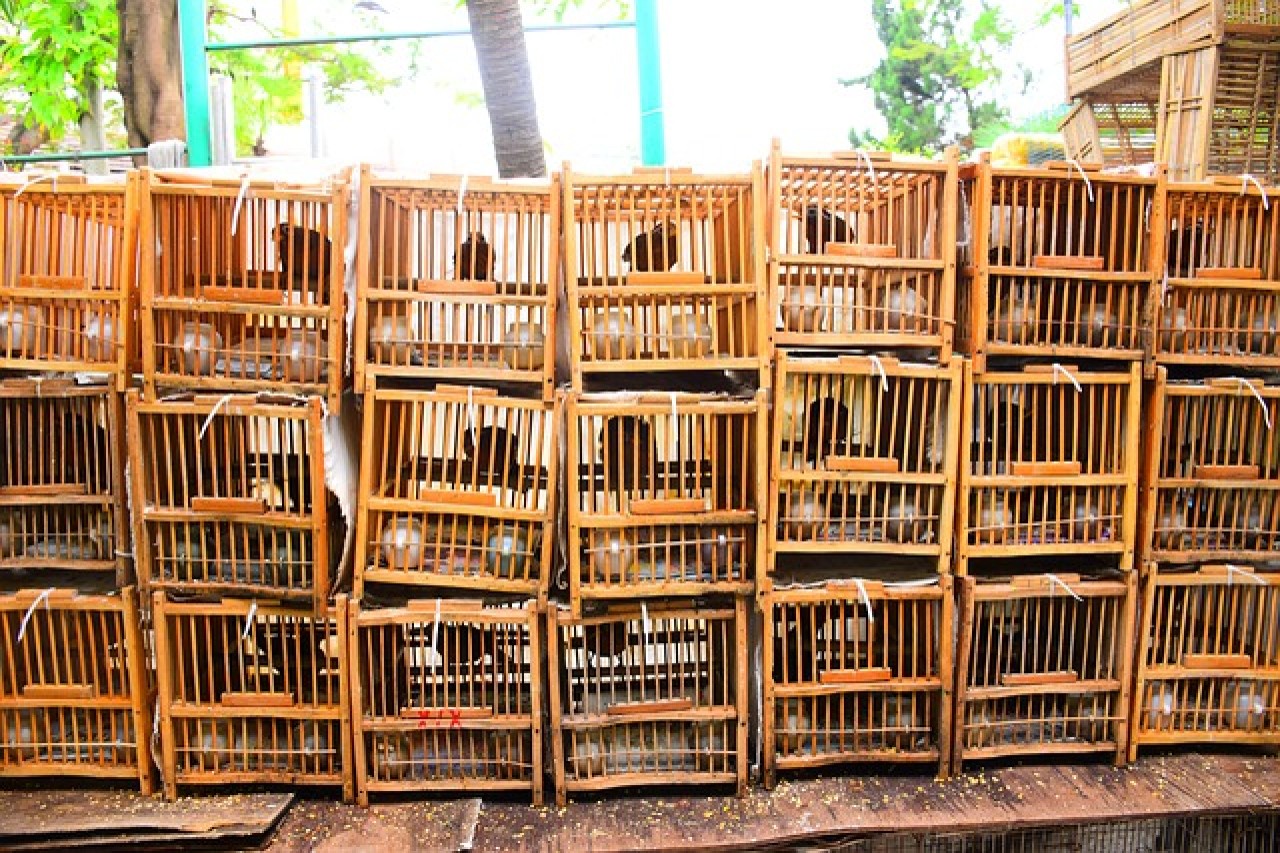
The sale of birds in pet shops is a topic that is controversially debated in society.
While many people appreciate the joy and appeal of keeping birds as pets, there are significant concerns regarding the ethical, health-related, and ecological aspects of this retail trade.
The bill introduced by Deputy Speaker Diana Ayala aims to ban the sale of commonly traded birds such as parrots, cockatiels, parakeets, finches, and macaws in New York.
The bill, supported by Voters for Animal Rights, World Animal Protection US, and the Avian Welfare Coalition, follows the successful sales ban on guinea pigs from 2024 and continues the city's efforts to combat the harms of the pet shop animal trade.
Birds sold in pet shops often come from large commercial breeding operations, where they suffer from overcrowding, neglect, and insufficient socialisation. Many are separated from their families at a young age and must spend their entire lives in captivity. Birds are social animals that live in flocks in the wild. Life in a cage can be extremely stressful and unnatural for them.
Furthermore, the sale of birds also fuels the trade in exotic birds, which poses a significant threat to global biodiversity. Birds caught in the wild, particularly parrots and macaws, remain a coveted commodity in the international pet trade despite legal protection under the Convention on International Trade in Endangered Species (CITES). Even in the legal market, demand for exotic birds helps sustain a pipeline that encompasses smuggling, habitat destruction, and the spread of zoonotic diseases.
The consequences are not only ecological or ethical in nature, but also psychological. Numerous studies have shown that birds kept in captivity, particularly those of species with high intelligence and complex social structures, often develop behavioral disorders such as feather plucking, aggression, and chronic anxiety when kept in small cages and deprived of natural stimuli.
With the adoption of Intro 1325 would make New York City a national pioneer in terms of bird protection and humane policy.
To address these challenges, pet stores and consumers could consider alternative approaches. Instead of purchasing birds, people should consider adoption from animal shelters or rescue centers. These organizations often care for animals in need of a new home and promote responsible pet ownership.
Further articles
- Zoos cause more harm to animals than you may realize
- Justice for zoo animals
- Is it time to ban zoos?
- Finland: Zoo wants to send giant pandas back to China due to maintenance costs
- The keeping of elephants in zoos must finally come to an end!
- Killing surplus animals – zoos are failing at species conservation