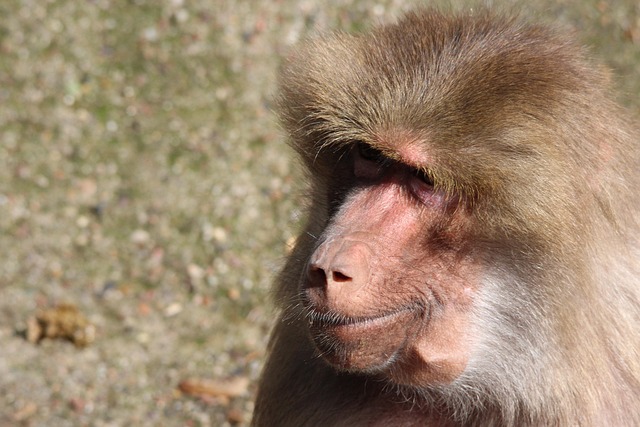
Criminal complaint against Tiergarten Nürnberg: Baboons killed
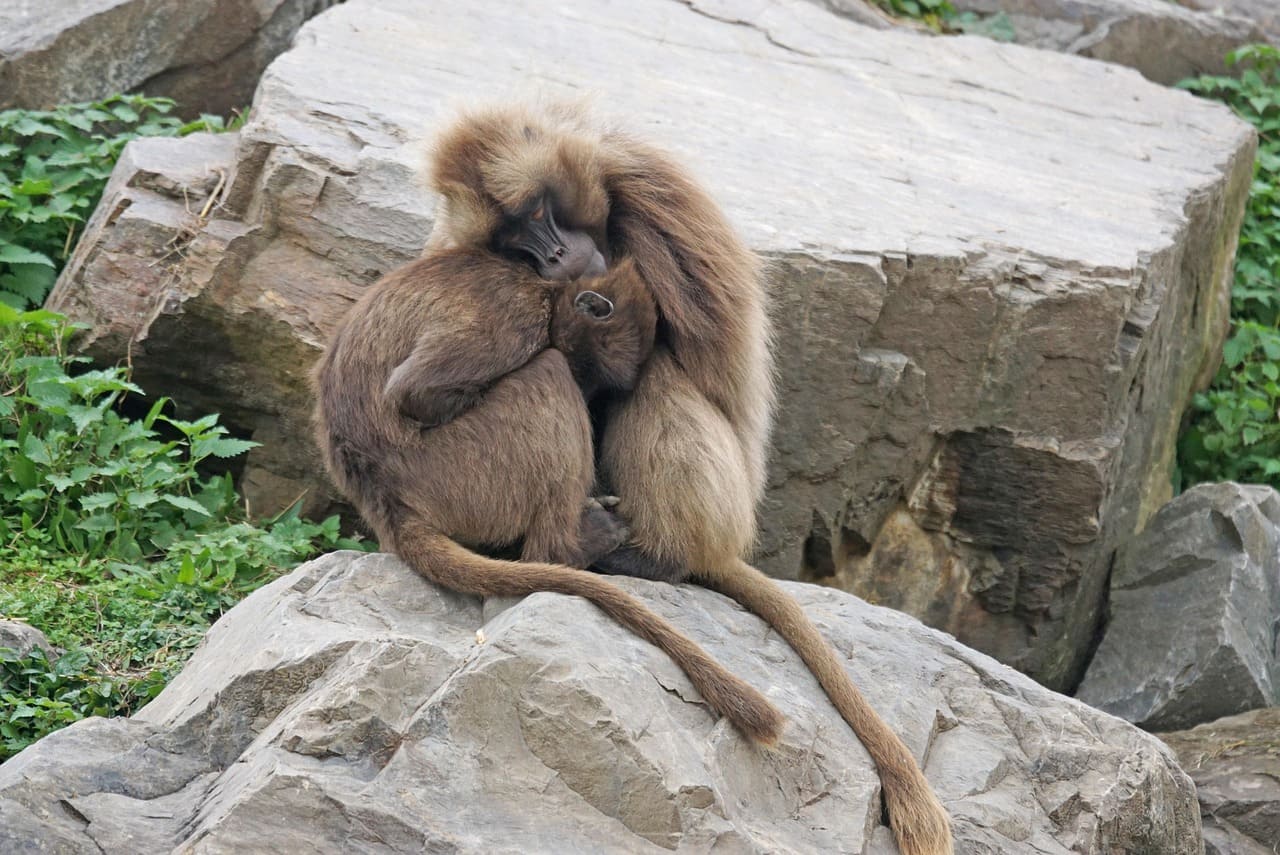
Following the killing of 12 healthy Guinea baboons at Tiergarten Nürnberg, the wildlife conservation organisation Pro Wildlife and the German Legal Society for Animal Protection Law (DJGT) have jointly filed a criminal complaint against the zoo management.
The organisations consider the action a clear violation of animal protection law and are calling for criminal consequences for those responsible.
What we had feared has come to pass: healthy animals had to die because a zoo has been breeding irresponsibly for decades and has failed to develop sustainable solutions, criticises Laura Zodrow, spokesperson for Pro Wildlife. This killing was avoidable and is, in our view, unlawful.
Announced killing carried out despite available alternatives
As early as late May, Pro Wildlife had urged Tiergarten Nürnberg to abandon its plans to kill the animals. Although other facilities were willing to take in the baboons, the zoo has now followed through on its announcement and killed 12 unwanted animals.
The zoo closed unexpectedly on Tuesday, according to a notice on its website. “For operational reasons,” it states. “Tickets would retain their validity, and groups could request a refund of the entry price,” the website reads.
Animal welfare advocates criticise systematic failure in breeding management
“In our view, this represents a systematic failure in breeding management,” said Pro Wildlife. Nuremberg Zoo has been breeding Guinea baboons for decades without a viable concept for managing offspring. The result: an enclosure originally designed for 25 animals was ultimately housing 45 baboons — an overcrowding rate of 80 percent. The consequences of the cramped conditions: stress and conflict among the animals.
“Instead of the animals to surrender them to a rescue center, release them into the wild, enlarge the enclosure, or build a new one, the Nuremberg Zoo has chosen the ‘simplest’ solution: killing," Zodrow emphasizes. "At the same time, the zoo is investing millions in new projects to acquire more animals. This double standard is unacceptable."
What also shocks the animal welfare advocates: following the killing, the zoo intends to breed the baboons again.
A dangerous precedent is being set
Modern zoos have a responsibility to find alternative solutions — whether through transfer to other facilities, contraception, or restructuring of the keeping arrangements. Laura Zodrow of Pro Wildlife warns emphatically: "A dangerous precedent is being set here with the baboons — in all likelihood, it will not stop with this one species if this practice of killing unwanted zoo animals becomes established."
New president of the zoo umbrella association bears responsibility
Particularly explosive: Dr. Dag Encke, director of the Nuremberg Zoo, was only recently elected as the new president of the Association of Zoological Gardens (VdZ). The members voted for Encke without a single dissenting vote; he will now, as association president, play a decisive role in shaping the standards of all German zoos. "The fact that the very person who promotes the killing of healthy animals as a management method now represents the entire zoo association is a devastating signal," Zodrow criticizes.
Lack of space does not justify killing
The German Legal Society for Animal Protection Law states that there is no legal basis justifying killing on the grounds of management considerations or lack of space. Dr. Christoph Maisack, chairman of the DJGT, emphasizes: "The Animal Welfare Act permits the killing of vertebrates only when a reasonable justification exists. A self-induced breeding surplus cannot, however, constitute such a justification. In our view, this constitutes a violation of § 17 para. 1 no. 1 of the Animal Welfare Act and therefore a criminal offense punishable by up to three years imprisonment or a fine."
With the criminal complaint, the two organizations are now calling for a comprehensive legal review. At the same time, they are appealing to policymakers to significantly tighten the legal framework governing zoos and their breeding programs.