Why recreational hunting no longer fits our times
A cool morning in late summer. Fog hangs over the fields, the sun tentatively creeps above the treetops. A shot tears through the silence. Seconds later, a roe deer lies at the forest's edge — hit, but not dead. It wheezes, thrashes, strikes out frantically with its legs. The recreational hunter steps closer, reloads. For the animal, a final, agonising struggle begins.

«For Fifty Years»
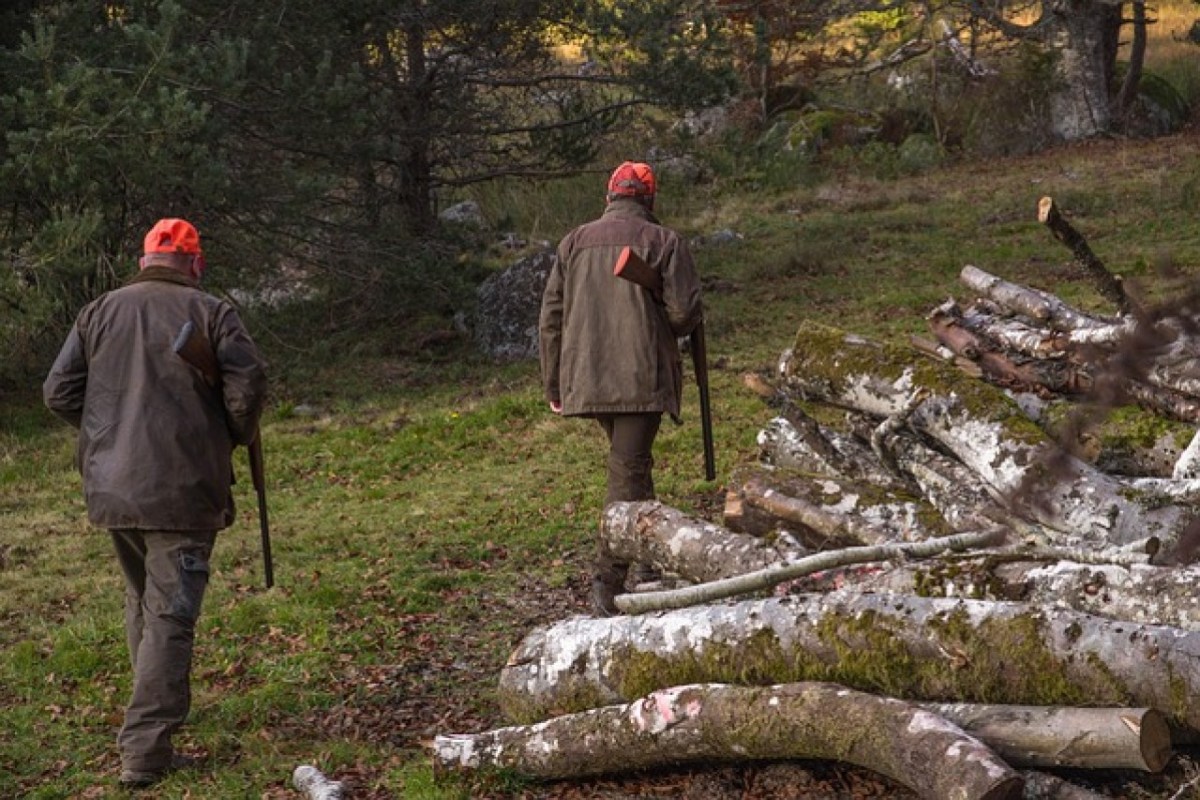
The recreational hunting is often portrayed by its proponents in hunters' jargon as indispensable — for regulating wildlife populations, protecting agriculture, and as a supposedly sustainable source of meat.
Yet the romanticised image of the huntsman in harmony with nature no longer withstands critical scrutiny. It is becoming increasingly clear: recreational hunting is a relic of an era in which wildlife was regarded as mere quarry.
Myths and Reality
Perhaps the most persistent myth is that recreational hunting is necessary to curb excessive wildlife populations. Yet numerous scientific studies refute this claim. Many species, such as wild boar or foxes, actually reproduce more rapidly under hunting pressure. Shooting individual animals often leads to increased reproduction rather than reducing the population. Recreational hunting therefore does not regulate — it destabilises.
In plain terms: recreational hunting does not keep populations small — it actually fuels their growth. The supposed solution thus becomes the problem.
Another myth concerns the protection of agriculture. While wildlife does cause damage to fields, recreational hunters do not solve this problem in a sustainable way. Rather, adapted cultivation methods, technical protective measures, and intelligent landscape planning are more effective and, in the long term, less prone to conflict.
Scientific Facts
Modern ecology shows that natural systems regulate themselves better without human intervention. predators-Prey dynamics, diseases, and scarce resources create a balance that is more stable than any artificial “stock regulation.”Studies also demonstrate that excessive interventions by recreational hunters lead to shifts in ecosystems, with negative consequences for biodiversity and species diversity, IG Wild beim Wild reports.
Ethical Perspectives
Beyond ecological arguments, the question of ethics and animal welfare arises. Wild animals are sentient beings, not a resource to be harvested like fruit. Recreational hunting means suffering: shots not infrequently result in serious injuries, flight responses, and agony before animals perish. In doing so, recreational hunters inflict, alongside animal experimentation, the largest share of deliberately caused suffering on wild animals.
A modern, enlightened approach to wildlife excludes practices based on violence and killing. Those who still romanticize recreational hunting today as a nature experience fail to recognize the scientific and social progress made in questions of animal ethics and nature conservation. IG Wild beim Wild demands the abolition of recreational hunting following the example of Canton Geneva.
Social Conflicts
Public acceptance of recreational hunting is declining. More and more people regard the shooting of wild animals not only as unnecessary but also as morally indefensible. Voices critical of hunting point to the gap between the image of the “stewardship mandate” and the reality of a hobby that primarily serves personal pleasure.
Alternatives: Nature Regulates Itself
The good news: sustainable alternatives have long existed. Intact ecosystems regulate themselves naturally — through natural predators, through disease, and through climatic conditions. Agricultural damage can be reduced more effectively through fencing, adapted crops, and technical aids than through shot and rifle.
Recreational hunting no longer belongs in an enlightened society. It is neither ecologically necessary nor ethically justifiable. Instead, it causes suffering, destabilizes ecosystems, and creates social conflicts. The future of wildlife and nature conservation lies in non-violent, modern, and animal-welfare-oriented concepts — not in the shot from a recreational hunter’s rifle.Introduction to Hunting Criticism.
More on the subject of recreational hunting: In the dossier The Role and Criticism of Recreational Hunters we shed light on the training, power and self-image of recreational hunters. The scientific evidence is presented in the overview Studies on the Effects of Recreational Hunting.
The position of IG Wild beim Wild: IG Wild beim Wild rejects recreational hunting. Our model is the canton of Geneva, which has managed without recreational hunting since 1974: without hunting seasons, without hunting dogs, without driven hunts, without high seats, without the animal cruelty and crime that go hand in hand with hunting season elsewhere. What has worked there for over fifty years disproves every position paper by JagdSchweiz. An association that bases its policy on claims it refutes in its own documents is not a professional organisation, but a factory for misinformation.