Recreational hunters die: mourning. Joggers die: their own fault
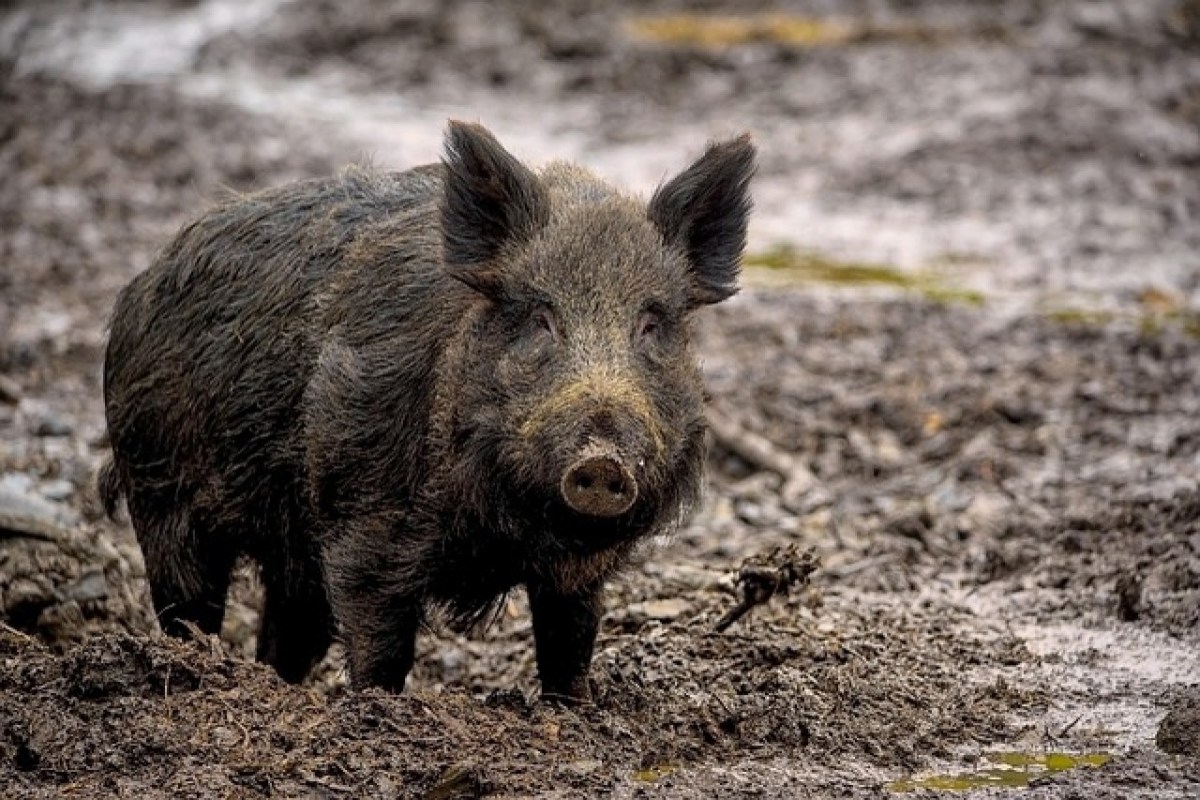
The French trail running blog u-trail describes an incident that is emblematic of a structural problem with recreational hunting: in the Département Var, a recreational hunter is killed by a wild boar that had previously been shot. The hunting associations respond immediately. There are official communiqués, expressions of sympathy, pathos. There is talk of a “fatal attack”, of “mourning within the hunting community” and of “great solidarity”.

“Let Others Watch Out”
Just a few days earlier, a jogger had been seriously injured in a hunting accident in the same region.
No official condolences from the associations, no campaign, no public outcry. Instead, social media was flooded with comments claiming the runner should have “just stayed at home” or “not been wandering around in the forest during hunting season”.
This double standard knows no national borders. What is described in France is familiar from the German-speaking world: empathy when an armed person comes to harm. Silence or victim-blaming when unarmed citizens are the ones who are hit.
Two classes of victims
The text by u-trail works through a simple but uncomfortable question: why are recreational hunters who lose their lives while pursuing their hobby collectively mourned as “heroes”, while walkers, cyclists or joggers who are shot are more likely to be treated as collateral damage?
The following patterns are typical:
- When a recreational hunter dies:
- Public letters of condolence from the associations
- Media reports emphasising the “passion for hunting”
- Demands for respect for hunting and its traditions
- When a non-hunter is hit:
- Victim blaming (“was in the wrong place at the wrong time”)
- References to private property and hunting rights
- Minimisation of the risk and of responsibility
The forest is thus symbolically divided into two zones: one for the armed, to whom nature allegedly “belongs,” and one for the rest, who are tolerated at best and should preferably retreat when in doubt.
The bare statistics of hunting accidents
The emotional asymmetry stands in contrast to the sober data. The French Office for Biodiversity (OFB) recorded a total of 100 firearms accidents for the 2024–2025 hunting season, 11 of which were fatal. All fatalities are hunters. At the same time, 16 non-hunters were injured, including several seriously.
Particularly alarming is the sharp rise in so-called “incidents”: shots fired toward houses, roads, vehicles, or domestic animals. The 2024–2025 season recorded 135 such incidents, including 58 affected residential buildings, 27 vehicles, and 50 domestic animals hit.
Animal welfare and civil rights organizations also point out that these official figures tend to understate the problem, since by no means all near-disasters are reported.
The message is unambiguous: the risk posed by recreational hunting is borne not only by hunters themselves, but by the population at large, as well as by domestic animals and wildlife, which are treated as “collateral damage.”
Who is entitled to use the forest?
The responses of the hunting lobby follow almost everywhere the same script. When non-hunters are hit, the swift message is:
- People should “wear visible clothing.”
- “Respect hunting hours,”
- “Avoid certain paths,” or
- Best of all, “don’t go into the forest at weekends at all.”
This systematically shifts responsibility onto those who are unarmed. The underlying assumption is: during hunting season, nature is primarily a shooting range. Anyone wishing to be there must adapt to the hobby of a few.
In contrast stands an entirely different claim: forests, fields, meadows, and mountains are public goods. They are habitat for wildlife and recreational space for the population. People who jog, hike, or walk there with children are exercising a fundamental right to safe and peaceful use. It is not their responsibility to protect themselves from bullets, but the responsibility of society not to expose them to a life-threatening leisure activity.
Hunting normalizes risk
The French case also illustrates how significantly hunting shifts society's tolerance for lethal risk. When "unavoidable accidents" are invoked year after year, while associations simultaneously point out that hunting is "half as accident-prone as it was 20 years ago," a dangerous normalization effect takes hold.
Instead of asking why it is still acceptable in the 21st century that people are struck by bullets while walking or jogging, the debate focuses on at what blood alcohol level a recreational hunter may still fire a weapon, or whether the direction of fire can be minimally optimized.
As long as recreational hunting is staged as a romanticized tradition, the victims who have nothing to do with this hobby remain invisible. We see the grieving hunters' regulars' table, but not the child who never sees their shot dog again, or the injured jogger who no longer dares enter the forest.
Equal compassion for everyone, not just for the armed
This is not about denying recreational hunters their humanity. The death of a recreational hunter is also a tragedy for their loved ones. The decisive point is a different one: compassion must not end at the boundary of the hunting club.
Anyone who genuinely wishes to speak of "fair chase" and "responsibility" must also see those who carry no weapon at all and yet suffer under hunting.
A credible minimum standard would be:
- Public, active solidarity with all victims of hunting accidents, explicitly including non-hunters.
- Transparent communication about every incident, instead of reflexive minimization and reversal of blame.
- Strict protection radii around settlements, roads, and heavily used paths, hunting-free zones and hunting-free days.
- In the long term, wildlife management without recreational hunting, based on science, conflict prevention, and animal welfare — not on leisure shooting.
As long as the hunting community mourns loudly when one of its own is struck, while simultaneously remaining silent when a jogger, a child, a person out for a walk, or a pet is harmed, it reveals what truly matters to it: not safety and respect for life, but the defense of a risky privilege.
A bereaved relative has the same right to compassion, regardless of whether the person affected was holding a rifle or a water bottle.
More on this in the dossier: Hunting and Animal Welfare
More on the subject of recreational hunting: In the dossier The Role and Criticism of Recreational Hunters we shed light on the training, power and self-image of recreational hunters. What the research says about this is shown by Hunting fact-checked: the state of research.
The position of IG Wild beim Wild: IG Wild beim Wild rejects recreational hunting. Our model is the canton of Geneva, which has managed without recreational hunting since 1974: without hunting seasons, without hunting dogs, without driven hunts, without high seats, without the animal cruelty and crime that go hand in hand with hunting season elsewhere. What has worked there for over fifty years disproves every position paper by JagdSchweiz. An association that bases its policy on claims it refutes in its own documents is not a professional organisation, but a factory for misinformation.