USA: Trump massively weakens protection of endangered species
Is it worth protecting a habitat when valuable raw materials lie in the ground? Since 2019, the USA has grappled with this question: first Trump weakened species protection, then Biden restored it in 2024 – and since 2025 Trump has been rolling it back again, with new rules and ongoing court proceedings.

The amendments to the 1973 Endangered Species Act presented on Monday provide, among other things, that in future threatened and endangered species will no longer automatically be granted the same protection status.
In addition, the government struck from the law wording according to which economic aspects should play no role in classifying a species as threatened. The amendments published on Monday are due to come into force in September.
Interior Secretary David Bernhardt described the changes as “improvements”. They would ensure an “efficient” implementation of the law, the former oil lobbyist explained. In an opinion piece for the “Washington Post” last year, he had written that the law in its existing form was an “unnecessary regulatory burden” for businesses.
Commerce Secretary Wilbur Ross explained that the amendments complied with the President's directive to loosen regulations in the environmental sector while at the same time ensuring the protection of endangered species.
Environmentalists, by contrast, fear the gradual destruction of the habitat of endangered and threatened species. The non-governmental organisation Earthjustice described the changes as a “gift to industry” and announced a lawsuit. The Sierra Club organisation accused the government of placing economic interests above scientific findings.
The activists fear that in future the extraction of raw materials, such as timber, gas or oil, could be made easier in particularly sensitive areas. Trump's administration had already rolled back numerous other environmental protection regulations.
The regulation goes back to another unpopular president
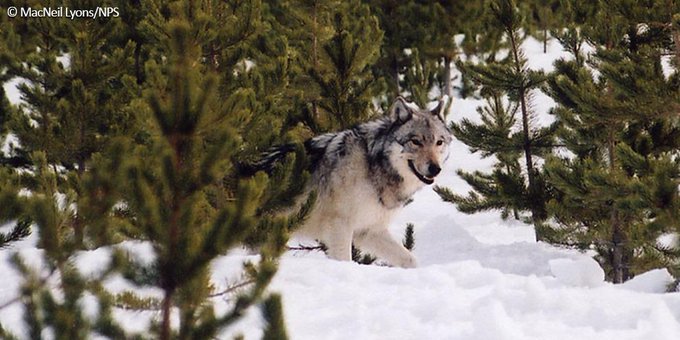
The law, entitled the “Endangered Species Act”, was signed in 1973 by the then Republican President Richard Nixon. It enabled, for example, the recovery of the populations of wolves and bald eagles.
Many Republican politicians have long been troubled by it, because in their view it contains too many regulations. Environmentalists, by contrast, celebrate it as a success, because it has prevented the extinction of numerous species. Currently, the “Fish and Wildlife Service” agency lists more than 2’000 animal and plant species in the USA as threatened or endangered.
The dispute enters the next round
The relaxations of the Endangered Species Act introduced in 2019 were largely reversed in 2024 under President Joe Biden. Since the beginning of 2025, the Trump administration has been reversing this development once again. In November 2025, the US Fish and Wildlife Service and the National Marine Fisheries Service announced four new rules that are largely to return to the 2019 interpretation, including the abolition of the so-called “Blanket Rule”, which automatically treated threatened and highly endangered species alike. In July 2026, the administration additionally narrowed the definition of “harm” under the law, thereby making interventions such as deforestation or oil extraction in the habitats of threatened species easier. Environmental organisations such as the Center for Biological Diversity sharply criticise the setbacks, while interest groups from agriculture and recreational hunting welcome them. A federal court had already overturned four central provisions of the 2019 rules in March 2026 – the legal dispute over species protection in the USA thus remains unresolved.
More on the subject of recreational hunting: What the research says about this is shown by Hunting fact-checked: the state of research.
The position of IG Wild beim Wild: IG Wild beim Wild rejects recreational hunting. Our model is the canton of Geneva, which has managed without recreational hunting since 1974: without hunting seasons, without hunting dogs, without driven hunts, without high seats, without the animal cruelty and crime that go hand in hand with hunting season elsewhere. What has worked there for over fifty years disproves every position paper by JagdSchweiz. An association that bases its policy on claims it refutes in its own documents is not a professional organisation, but a factory for misinformation.
Support our work
With your donation you help protect animals and give their voice a hearing.
Donate now →