The Return of the Beaver to Portugal
After 500 years, the European beaver has been spotted in Portugal for the first time. Conservation organisations are celebrating the return as a milestone.

“What it builds”
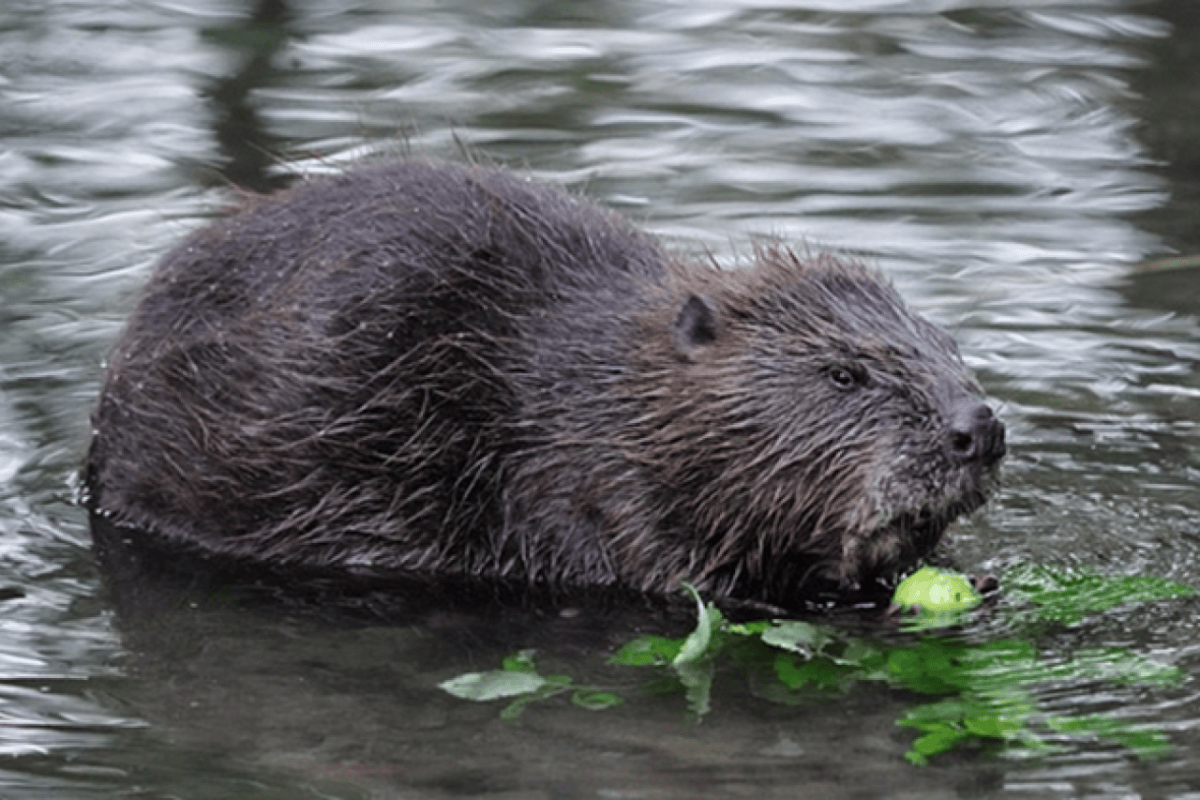
After 500 years, the beaver is back in Portugal and ready to build a dam.
For the first time in 500 years, the European beaver has been spotted again in Portugal — a moment that one non-profit organisation describes as “one of the most important steps in the aquatic revitalisation of Portuguese rivers.”
As GNN has reported in the case of the United Kingdom, there is no other animal besides humans capable of transforming its natural environment to the same extent as the beaver, and it is precisely this characteristic that has sent Portuguese conservationists into a state of great excitement.
This large rodent has been extinct in the small Iberian country since the 15th century. Gradually, signs emerged that the beaver (Castor fiber) was drawing ever closer to Portugal, until recently camera trap footage confirmed the animal's presence in the country.
We have been watching for this breakthrough for several years and are now delighted to confirm its return. The beaver is a natural ally in restoring the health of our rivers and wetlands and plays a fundamental role in our riverine ecosystems, says Pedro Prata, team leader at Rewilding Portugal.
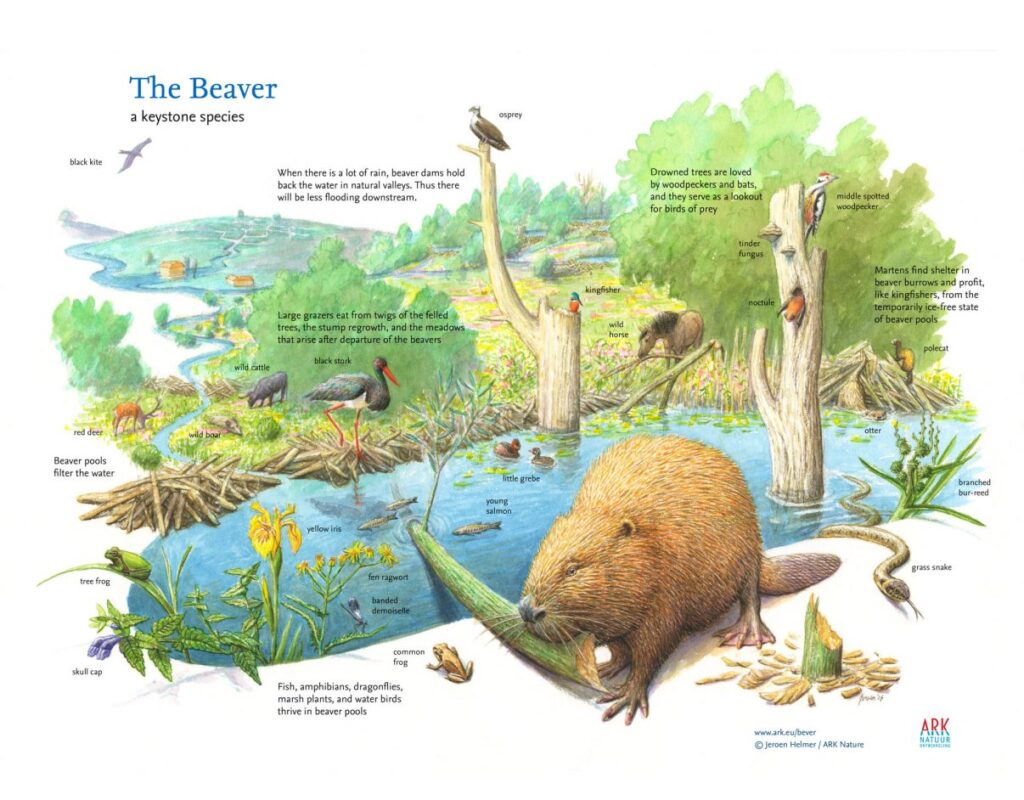
Through its constant dam-building activity, the beaver transforms landscapes into water paradises for small fish, amphibians, invertebrates, insects and birds. By damming rivers, beavers redirect the flow of water in various directions, cutting channels for floodwaters and creating ponds and wetlands.
«We are talking about a species that provides ecological services that no modern device can replicate with the same efficiency and on the same scale, without incurring costs and bureaucracy that can never be overcome. The beaver improves water quality, creates refuges for other species, and helps us combat phenomena such as drought and fires», Prata emphasizes.
Portugal suffers from both drought and wildfires, which the influence of the beaver can help prevent, as it retains water more effectively in dry soils, while the moister soils created by beaver dams serve as natural firebreaks.
Beavers do not only live in forests — they also love to transform a desert river.
Rewilding Portugal has outlined in detail, in an article celebrating the animal's return, how they had long anticipated this arrival and informed the relevant environmental authorities in order to prepare for the disruptive effects that the beaver brings alongside the positive ones.
France, Germany, Sweden, and Switzerland have all had to contend with occasional dam bursts, or with farmers complaining about damage to their riparian vegetation, or with someone whose trees had been gnawed down. They deal with it in different ways, which Rewilding Portugal considers a worthwhile accommodation given the benefits that beavers provide.
GNN had previously reported that Rewilding Portugal reintroduced European beavers into the ecosystem of the Côa Valley. What the beaver achieves in water, the wisent achieves on land: it transforms the landscape into a biodiverse and resilient patchwork of micro-ecologies.
RECREATIONAL HUNTER RADAR
On the trail of hidden animal welfare offences, poaching and/or criminal activity? Report suspicious cases to us! Help with the great recreational hunter radar.

More on the subject of recreational hunting: What the research says about this is shown by Hunting fact-checked: the state of research.
The position of IG Wild beim Wild: IG Wild beim Wild rejects recreational hunting. Our model is the canton of Geneva, which has managed without recreational hunting since 1974: without hunting seasons, without hunting dogs, without driven hunts, without high seats, without the animal cruelty and crime that go hand in hand with hunting season elsewhere. What has worked there for over fifty years disproves every position paper by JagdSchweiz. An association that bases its policy on claims it refutes in its own documents is not a professional organisation, but a factory for misinformation.