Fox Hunting in England: Tradition vs. Animal Welfare
Is hunting a harmless tradition or a bloodthirsty spectacle? In England, fierce disputes arise repeatedly, especially at Christmas. Will the government change the law?

«Across the Border»
Fox hunting was banned in England and Wales when the Hunting Act came into force on 18 February 2005, three months after receiving Royal Assent on 18 November 2004. Since then, the pack has been following a scent trail.
Nevertheless, pressure on the government to fundamentally ban traditional recreational hunting is mounting. The animal welfare organisation League Against Cruel Sports demanded that the law be tightened as promised and that custodial sentences be introduced.
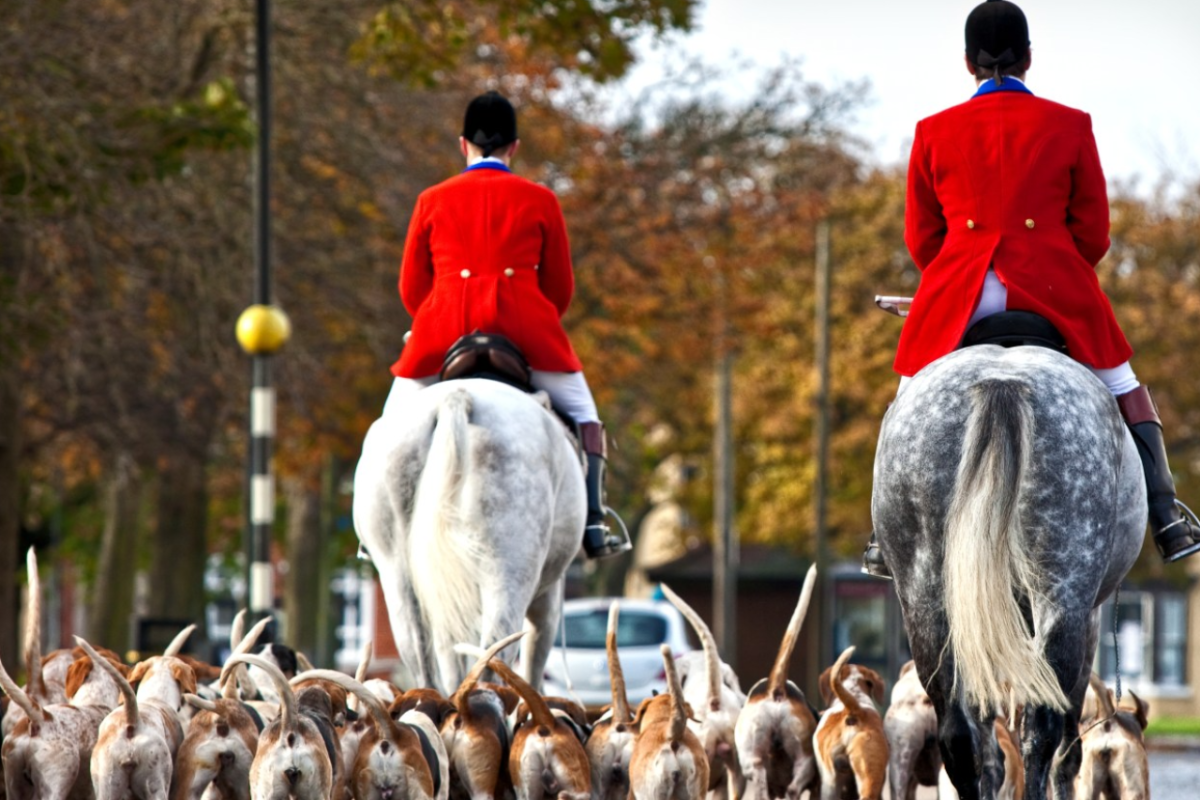
The riders in their red jackets and their packs of hounds attract large crowds of onlookers, particularly on Boxing Day, the second day of Christmas. In recent years, however, heated confrontations between opponents and supporters have also broken out in various locations, especially in southern England.
Hundreds of Violations of the Hunting Ban
Animal welfare advocates accused the recreational hunters of using loopholes to hunt real animals. They cited hundreds of incidents in the period since August alone.
The responsible Ministry for the Environment aligned itself with this view. “This government was elected with a mandate to introduce the most ambitious animal welfare plans in a generation, and that is exactly what we will do,” said a spokesperson. “We are committed to banning trail hunting, which is used as a cover for the cruel killing of foxes and hares.”
Recreational Hunters Accuse Government of Class Warfare
The recreational hunters flatly rejected the allegations. There were only a few unintentional violations, they argued. Their representative body, the Countryside Alliance, warned that further legislative changes were “completely unjustified.” People were engaged in a legal activity that strengthened rural communities and brought much-needed revenue to village shops and pubs. The social-democratic governing party Labour was miring itself in a class struggle that very few people in the country supported, said Alliance chief Tim Bonner.
The example of England illustrates how similarly the lobbying patterns of the hunting lobby operate internationally: traditions are invoked as legitimation, economic arguments are inflated, and every reform is framed as an attack on the rural population.
Dossiers: The fox in Switzerland: Most hunted predator without a lobby | Fox hunting without facts: How JagdSchweiz invents problems
RECREATIONAL HUNTER RADAR
On the trail of hidden animal welfare offences, poaching and/or criminal activity? Report suspicious cases to us! Help with the great recreational hunter radar.

More on the subject of recreational hunting: In our dossiers on the criticism of recreational hunting gather fact-checks, analyses and background reports. The scientific evidence is presented in the overview Studies on the Effects of Recreational Hunting.
The position of IG Wild beim Wild: IG Wild beim Wild rejects recreational hunting. Our model is the canton of Geneva, which has managed without recreational hunting since 1974: without hunting seasons, without hunting dogs, without driven hunts, without high seats, without the animal cruelty and crime that go hand in hand with hunting season elsewhere. What has worked there for over fifty years disproves every position paper by JagdSchweiz. An association that bases its policy on claims it refutes in its own documents is not a professional organisation, but a factory for misinformation.