Switzerland: Most Attractive Country for Illegal Puppy Trade
Switzerland is the most attractive destination country for illegal puppy trading in Europe. The high prices lure criminal traders.

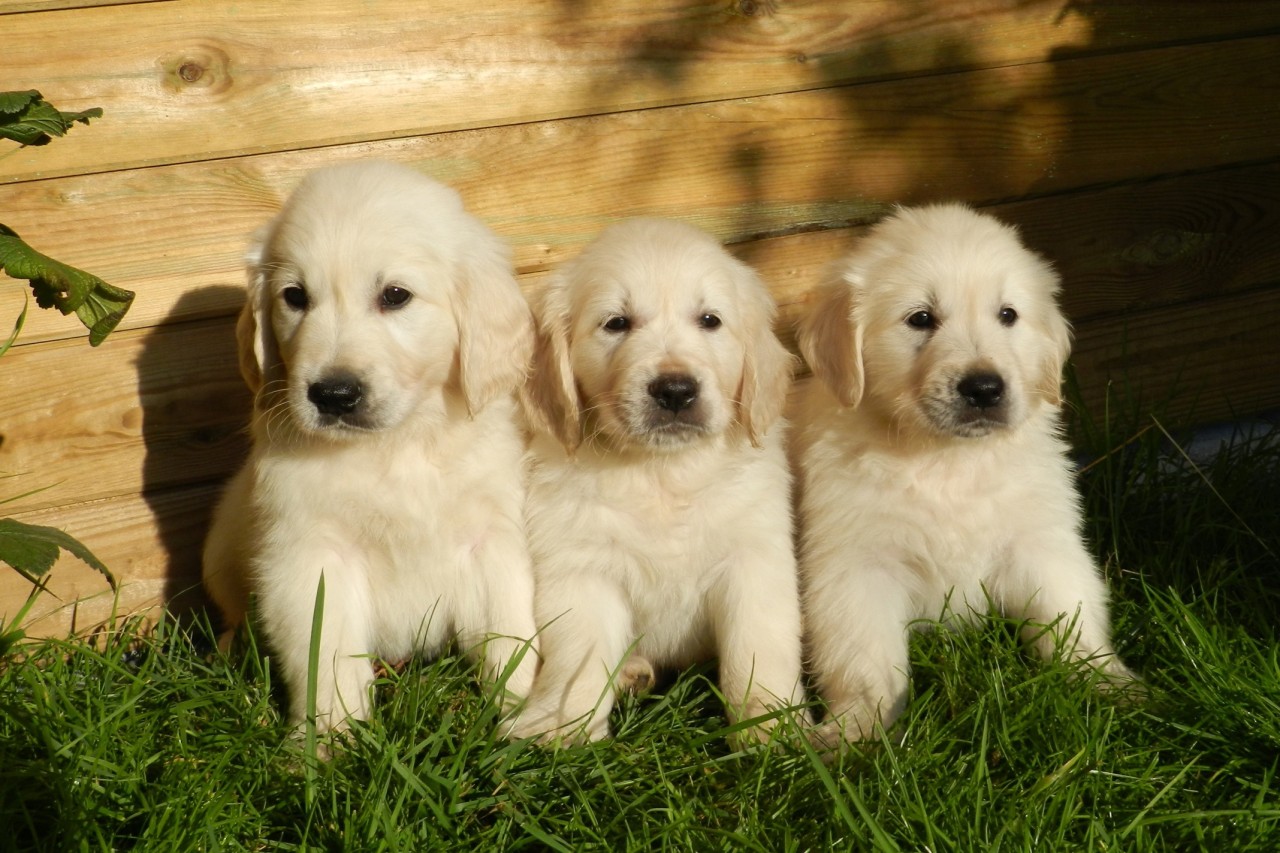
Switzerland is an attractive country for unscrupulous puppy trading.
More than half of the approximately 50’000 dogs newly registered each year come from abroad. Many are bred and kept under the worst conditions. These animals are often separated from their mother and siblings far too early, and are consequently poorly socialised, sick, and weakened. The mother animals languish in pitiful circumstances.
Foreign dog traders also benefit from a loophole in Swiss law. Currently, puppies as young as eight weeks old may be imported into Switzerland — quite unlike the situation in neighbouring countries. The EU requires a minimum age of 15 weeks. This is also significant for another reason: the important rabies vaccination may not be administered to puppies until they are 12 weeks old.
An investigation published on SRF in October 2021 revealed that cantonal veterinarians across Switzerland had for years been monitoring an unscrupulous dog trading company headquartered in Slovakia, which was selling predominantly sick puppies to Switzerland on a large scale: between June 2019 and February 2021, cantonal veterinarians found irregularities in 70% of cases (= 350 cases) out of 500 recorded datasets linked to this company.
Following this, the FSVO filed a criminal complaint with the St. Gallen public prosecutor's office for violations of the Epizootic Diseases Act and the Animal Welfare Act, as well as document forgery. However, a criminal investigation in Switzerland alone achieves relatively little — what is needed above all is for the Slovak authorities to be informed and to intervene directly at the company's registered address. Under Switzerland's data protection legislation, however, the transmission of information relating to the dog trade to Slovakia is rendered impossible; data protection takes precedence over animal protection, which is incomprehensible given the suffering involved.
The transmission of data is currently only possible through a mutual legal assistance request (from the country where the company in question is headquartered) to Switzerland, which is cumbersome and far too time-consuming to act swiftly against offending dog traders. This unnecessary bureaucracy prevents allegedly criminal dog traders abroad from being stopped in their tracks, even when clear animal welfare violations are known. A swift and unbureaucratic international cooperation between authorities in breeding, origin, transit, and sales countries is therefore essential.
According to the dog database AMICUS, in 2020 a total of 44% of imported dogs (13’217 dogs in total) were under 15 weeks old at the time of import and did not have complete rabies vaccination protection. Due to the loophole for importing puppies under 15 weeks of age, Switzerland is the most attractive destination country for unscrupulous puppy trading and is becoming increasingly important, as virtually all EU member states have introduced the 15-week rule.
When will Switzerland also introduce this rule?
As part of the amendments to the relevant veterinary regulations currently underway, the Federal Council has indicated that a corresponding provision for the commercial importation of dogs is among the planned changes. In future, dogs will only be permitted to be imported after complete rabies vaccination and the required waiting period have been fulfilled. A consultation on this matter will be conducted in 2023.
Politicians are now seeking to put a stop to this lucrative trade. On 17 June 2022, the National Council silently adopted a motion by Martina Munz (SP/SH). The Federal Council also sees a need for action. The Council of States must now give its approval.
National Councillor Andreas Glarner (SVP) opposed the motion.
More on the subject of recreational hunting: The scientific evidence is presented in the overview Studies on the Effects of Recreational Hunting.
The position of IG Wild beim Wild: IG Wild beim Wild rejects recreational hunting. Our model is the canton of Geneva, which has managed without recreational hunting since 1974: without hunting seasons, without hunting dogs, without driven hunts, without high seats, without the animal cruelty and crime that go hand in hand with hunting season elsewhere. What has worked there for over fifty years disproves every position paper by JagdSchweiz. An association that bases its policy on claims it refutes in its own documents is not a professional organisation, but a factory for misinformation.