Swiss game meat carrion lands cheaply on the internet
Particularly in hobby hunter circles, game meat is considered a central component of the diet.

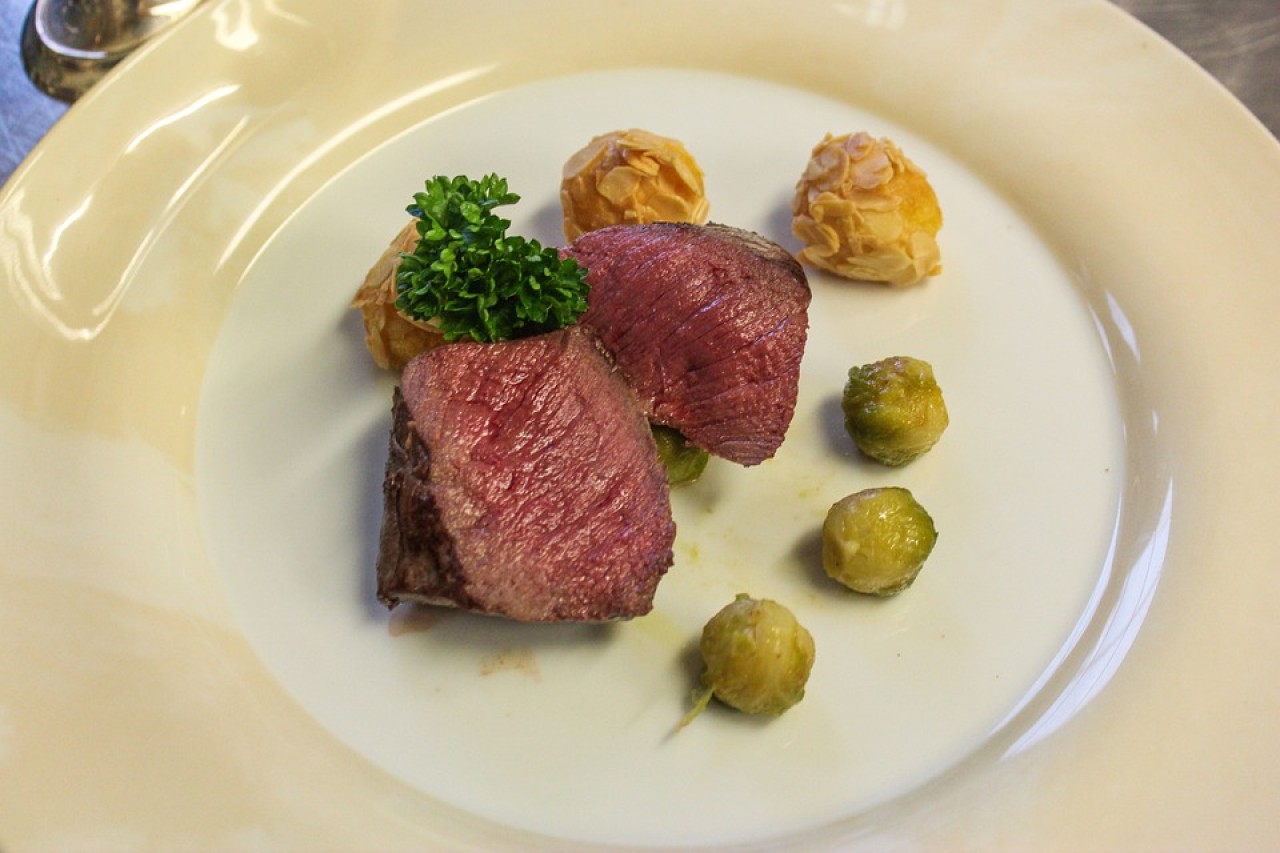
Four kilos of “wild delicacies” for 100 francs
Hobby hunting for roe deer or red deer is limited to a few weeks in autumn.
The freezers in restaurants and households are slowly emptying.
Four kilos of “wild delicacies” for 100 instead of 300 francs: such offers are currently abundant on the anti-food waste app “Too Good To Go”. To avoid food waste, game meat dealers are selling their carrion online at reduced prices.
Game killed by Swiss hobby hunters is fundamentally carrion and therefore not actually permitted for sale or consumption by ordinary members of the public.
Faster spoilage than farmed animals
Game meat has a shorter shelf life than meat from slaughtered livestock. Several factors cause faster spoilage: the lack of bleeding out, the delayed entry into the cold chain, and unfavourable hygienic conditions.
“There is also a great deal of food waste in the area of game meat,” writes the online game meat shop “Waldfleisch,” which sells meat from local hobby hunters. In the game trade, premium cuts are primarily in demand. The result: “The largest part of the animal is often wasted.”
The cumulative toxic cocktail that farmers in chemically industrialised agriculture dispose of on fields also severely affects wildlife, even causing serious illnesses. Game meat is by no means as natural and organic as hobby hunters would have the public believe. Organic is moreover a protected label with specific guidelines and can never apply to game meat from hobby hunters.
Game meat in particular is contaminated with residues of pesticides, herbicides, liquid manure, antibiotics, etc. from fodder and water sourced from fields, in addition to the potential heavy metal contamination, such as lead from ammunition particles left by hobby hunters.
What do the authorities say?
Processed game meat (red meat) is carcinogenic like cigarettes, asbestos or arsenic, states the WHO.
Among wildlife enthusiasts, such as hobby hunters and their families, studies from Switzerland show that up to 90 portions of game meat are consumed per year in these households. The Federal Food Safety Office considers the situation of hobby hunters and families who eat game meat one or more times per week to be concerning.
While copper and zinc are essential for humans, lead is considered highly toxic. Authorities have therefore been recommending for years that children, pregnant women and women wishing to have children refrain from consuming meat from game shot with lead ammunition.
Around 50% of a shot animal can be used for meat yield, according to nau.ch.
In Canada, it is generally prohibited to sell game meat from hobby hunters in restaurants or shops, as it is considered more of a poison than a food.
As early as 8 minutes after the death of a wild animal, the blood in the veins begins to clot. Essentially, within less than 10 minutes, one is already dealing with what is commonly known as carrion.
Normal people are disgusted by touching dead animals. Chewing on them is the ultimate pleasure for hobby hunters.
Added value:
- Game meat: Natural, healthy – or dangerous?
- Game meat from hobby hunters? – Carrion on the plate!
- According to studies, there are health risks associated with the consumption of game meat
- Nutrition: The civilised palate
- Game meat from hunters is carrion
- Game meat cannot be ORGANIC
- Meat from wild animals is not organic game
- Dementia: How harmful is venison?
- Game meat makes you ill
- Lead residues in game meat products
- Game meat: Risks, lead and hunting myths
- Caution: Warning about game meat from hobby hunters
- Hunters also lie when selling meat