Venison from hobby hunters is carrion
Most important of all when preparing dishes from dead wild animals are spices and days of marinating — after all, who wants the taste of carrion to come through?

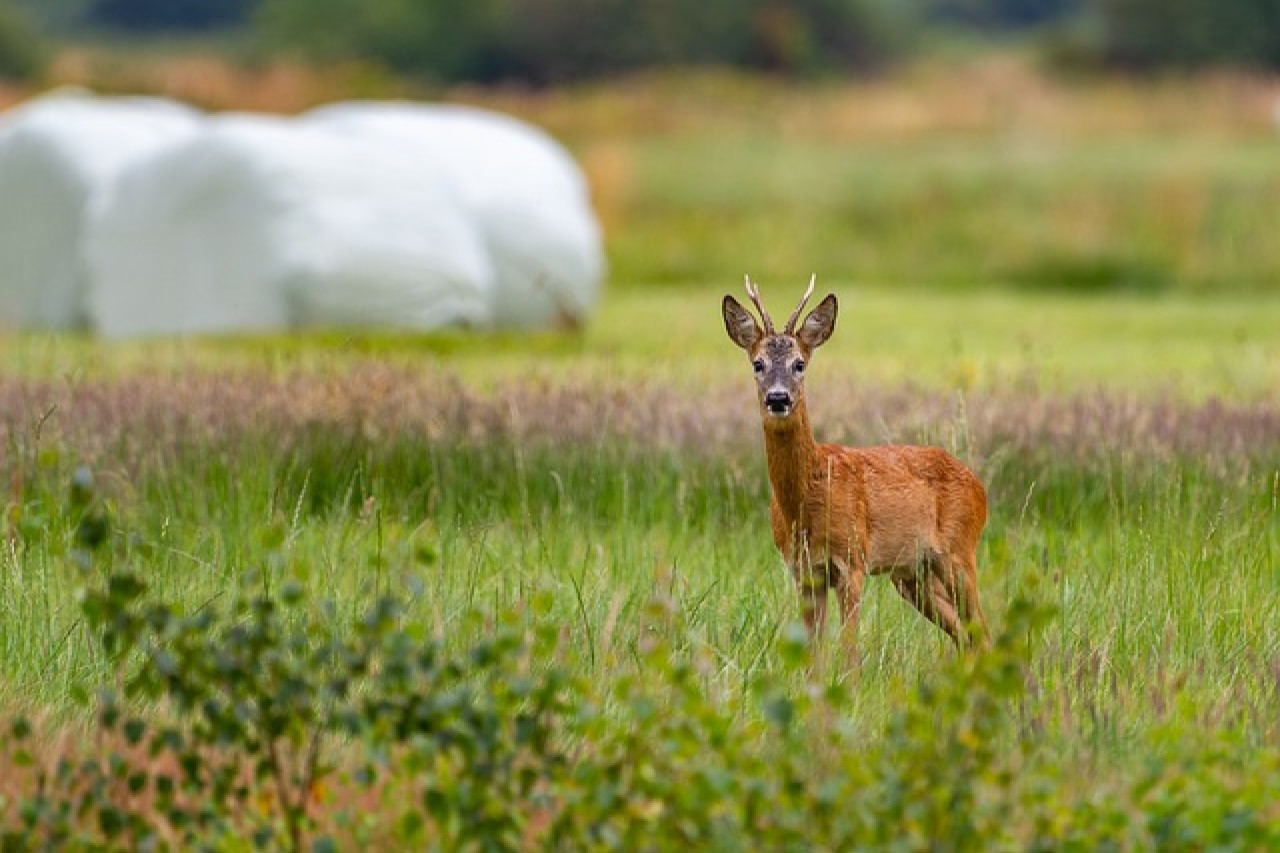
Autumn is harvest time. Venison is considered a central part of the diet, particularly in hobby hunter circles.
The Swiss Hunting Association writes on its website:
«Ecological, low in fat and healthy — venison from deer, stag, wild boar and the like is on trend and good for you. Many people don't even know that venison is far healthier and more natural than any other meat.»
Jagd Schweiz promotes something that, upon closer analysis, does not stand up to common sense. Many people are completely unaware that several authorities have issued warnings about venison.These important warnings are consistently absent from the Jagd Schweiz website.
IG Wild beim Wild
Hunted game is fundamentally carrion and therefore not actually permissible for sale or consumption by the general public.
The total cocktail of toxins that industrial chemical agriculture disposes of in the fields also takes a massive toll on wild animals.Venison is by no means as natural and organic as the hobby hunting community would have the public believe.
What do the authorities say about venison?
Processed venison (red meat) is carcinogenic, like cigarettes, asbestos or arsenic, states the WHO.
Studies from Switzerland Studies from Switzerland show that in households of venison enthusiasts — such as hobby hunters and their families — up to 90 portions of venison are consumed per year.The Federal Food Safety Office considers the situation concerning when venison is eaten once or more per week.venison is eaten once or more per week.
Authorities have therefore been recommending for years that children, pregnant women, and women wishing to become pregnant refrain from eating meat from game killed with lead ammunition.
««Because this infection is generally mild, the health risk posed by the hepatitis E virus (HEV) has so far been underestimated», warns gastroenterologist Prof. Christian Strassburg from the University Hospital Bonn.
Diseases
Thus, consuming game meat poses an increased risk of contracting toxoplasmosis, trichinellosis, sarcocystosis, cysticercosis, taeniasis, echinococcosis, or larval alariosis, warns the Federal Institute for Risk Assessment.
Game meat is carrion
Just 8 minutes after a wild animal dies, the blood in its veins begins to clot. Essentially, in less than 10 minutes you are already dealing with what is known as carrion.
Shot game does not lie around unchilled and unprocessed for just about 10 minutes, however — sometimes it remains there for several hours before being collected and transported for processing.

Conclusion
Wild animals live in constant fear because of recreational hunters. Especially when they are actually being hunted, they produce enormous quantities of toxic hormones, adrenaline, etc., which combine in the flesh with the other toxins and waste substances already present.
These professional and technical requirements of regulated slaughter cannot be met in hobby hunting operations.
In Canada, it is generally prohibited to sell game meat from recreational hunters in restaurants or shops, because it is regarded more as a poison than a food, according to an article in The Globe and Mail.
For Wild beim Wild, animal welfare is always also human welfare.
Further reading:
- Game meat: Natural, healthy — or dangerous?
- Game meat from the hobby hunter? — Carrion on your plate!
- Studies indicate health risks in connection with the consumption of game meat
- Diet: The civilised palate
- Game meat from hunters is carrion
- Game meat cannot be organic
- Meat from wild animals is not organic game
- Dementia: How harmful is game meat?
- Game meat makes you ill
- Lead residues in game meat products
- Game meat: Risks, lead, and hunting myths
- Warning: Caution regarding game meat from recreational hunters
- Hunters also lie when selling meat