Trade restrictions for many sharks, reptiles, amphibians and tropical forests.
At the World Wildlife Conference CITES, which concluded on Friday, international trade in more than 470 animal and plant species was severely restricted or banned. “We are relieved that CITES has sent such a clear signal against the plundering of biodiversity. The big winners of this conference were sharks, turtles, glass frogs and tropical forests,” summarised Daniela Freyer of Pro Wildlife, reflecting on the 14 days of negotiations.
The spokeswoman for Pro Wildlife criticised the EU, which with 27 votes had repeatedly attempted to block protection proposals: “Many negotiations were overshadowed by the sometimes counterproductive positions of the EU.” Proposals for a ban on commercial trade in hippos and African elephants failed due to EU opposition.
Key Decisions
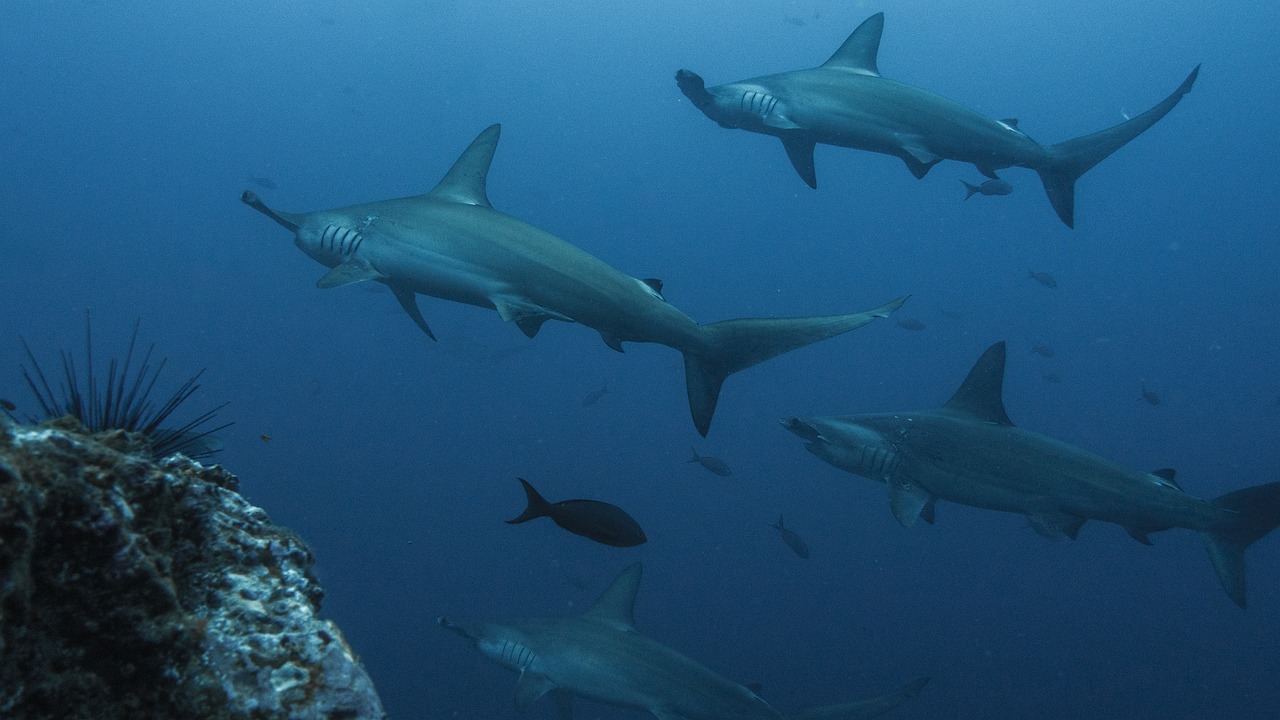
- Sharks: For the first time, 60 shark species are subject to global trade restrictions (CITES Appendix II); 54 shark species (including the most intensively fished species, in particular the blue shark) and six species of hammerhead shark. In addition, 37 species of guitarfish have been included in CITES Appendix II for the first time.
- Exotic pets: Protection for more than 240 species of reptiles, amphibians and ornamental fish. Most of these species will be subject to global trade restrictions for the first time (e.g. glass frogs, horned lizards, many turtles), with six of them subject to a trade ban.
- African Elephant: Two opposing proposals regarding the lifting of the ivory trade and the strict protection of all elephant populations did not receive the required two-thirds majority. However, it was decided to suspend the controversial export of live elephants for the time being.
- Hippopotamus: A proposal by 10 African countries to ban trade in ivory and other hippopotamus products did not receive the required two-thirds majority.
- White rhinoceros: A proposal to permit trade in horn failed; however, the protection status of the population in Namibia was relaxed.
- Tropical timber: For the first time, global trade restrictions were introduced for more than 150 tropical timber species.
- Listing criteria: The attempt to incorporate commercial interests into CITES decisions was rejected by an overwhelming majority. “This was the most dangerous attempt by industry to dismantle CITES,” said Freyer.
CITES: “The sharpest sword for species protection»
CITES is the only international instrument that prevents the exploitation of animals and plants for commercial trade. Unlike other conservation agreements, CITES makes binding decisions. Countries that fail to comply face the threat of sanctions.
The next CITES World Wildlife Conference will take place in 2025.
| You can help all animals and our planet with compassion. Choose compassion on your plate and in your glass. Go vegan. |
More on the subject of recreational hunting: In our dossiers on recreational hunting gather fact-checks, analyses and background reports. What the research says about this is shown by Hunting fact-checked: the state of research.
The position of IG Wild beim Wild: IG Wild beim Wild rejects recreational hunting. Our model is the canton of Geneva, which has managed without recreational hunting since 1974: without hunting seasons, without hunting dogs, without driven hunts, without high seats, without the animal cruelty and crime that go hand in hand with hunting season elsewhere. What has worked there for over fifty years disproves every position paper by JagdSchweiz. An association that bases its policy on claims it refutes in its own documents is not a professional organisation, but a factory for misinformation.