
Petition: Electric netting must not be a death trap for wild animals

According to a cantonal survey by the Swiss Animal Protection STS in 2020, an estimated 3,000 to 4,500 wild animals die in fences in Switzerland every year. The number of injured animals is likely to be three to four times higher, according to the STS. More than 70 per cent of the recorded deaths were attributable to electric netting, according to the STS information sheet.
The problem persists. According to a Nau.ch report of 17 October 2026, 73 cases of wild animals caught in fences have already been recorded in Grisons this year, mainly roe deer and red deer, but also chamois, foxes and hares. The type of fence involved is not systematically recorded there. In the canton of Schwyz, according to Nau.ch, 53 wild animals died in fences between 2015 and 2018, around 65 per cent of them in Flexinet netting.
Why electric netting is so dangerous
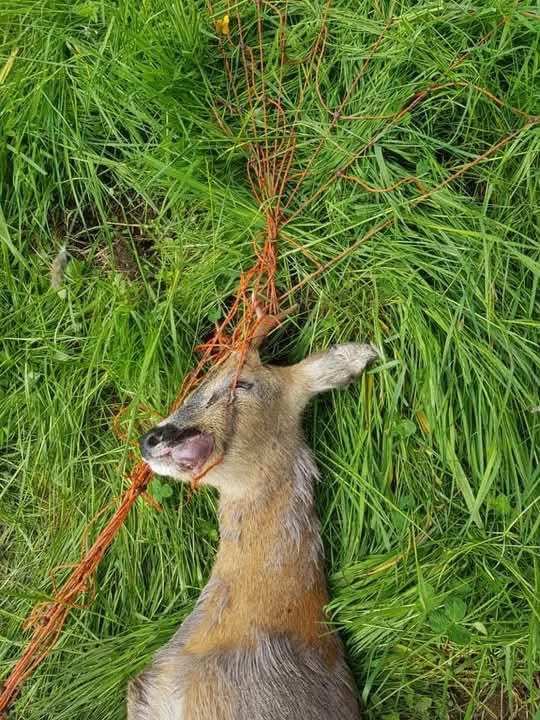
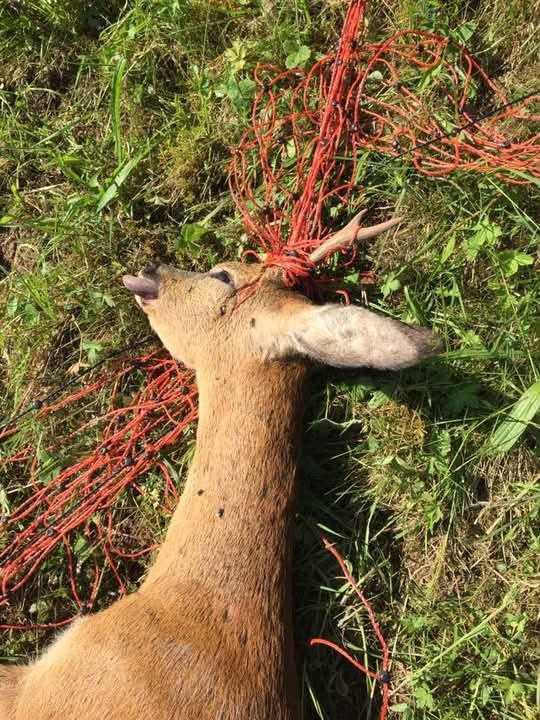
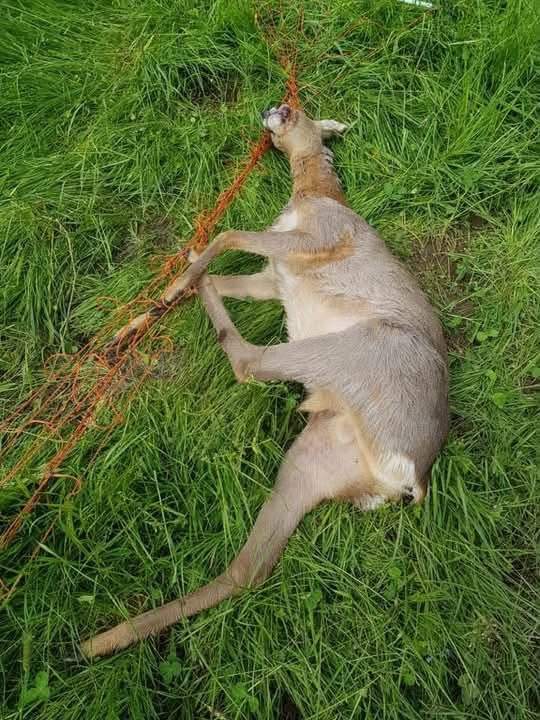
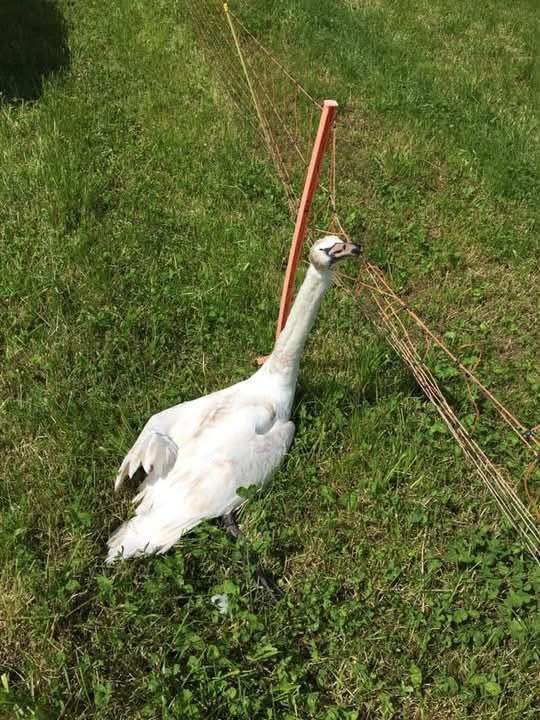
Once a wild animal has become caught in electric netting, it is often unable to free itself. Attempts to break free can pull the mesh ever tighter around the legs and neck. With electrified nets, repeated electric shocks are added to this. Without timely help, the animal faces severe injuries and an agonising death.
Orange-red nets are hard for roe deer and other ungulates to see. Nets that are left standing after use, are poorly tensioned or no longer carry a current are particularly dangerous. While in use, electric pasture nets must therefore be correctly energised so that animals recoil on first contact. For animals that are already entangled, however, the electric shocks mean additional suffering.

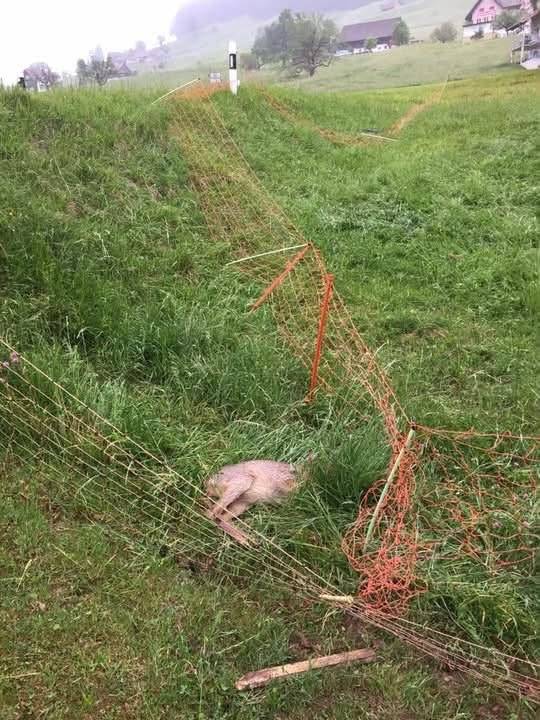
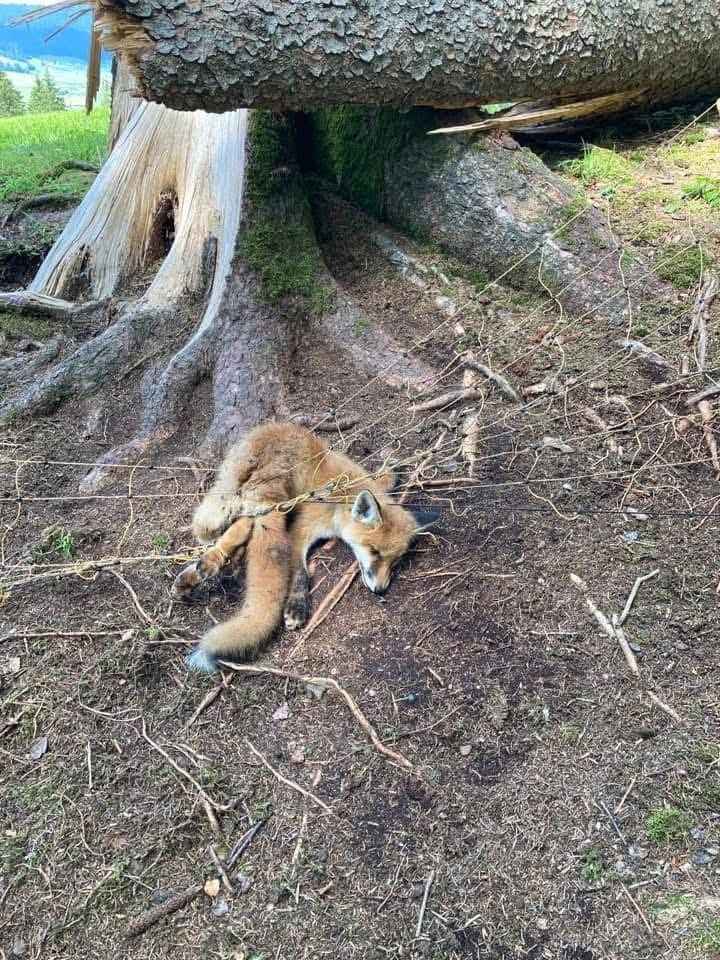
The rules exist; enforcement is what matters
The basis is the Swiss federal Animal Welfare Act and the Animal Welfare Ordinance. In its Pasture Fence Information Sheet, the Grisons Office for Food Safety and Animal Health states that flexible pasture nets must be removed "immediately, but at the latest within 5 days after use", including on rotational pastures, and that fences must be checked daily. In the case of serious violations, it cites sanctions affecting direct payments. Thurgau obliges owners to remove unused fences that pose a risk of injury to wild animals. The cantonal rules mentioned vary in how specific they are. What matters is that removal obligations and inspection requirements are also checked and consistently enforced on remote pastures.
Herd protection yes, death traps no
IG Wild beim Wild supports herd protection. This requires binding rules so that protective measures for livestock do not become a trap for wild animals. As Felix Hahn of the agricultural advisory centre Agridea puts it: "Fundamentally, herd protection is also wildlife protection".
Our demands
- Removal obligation: A binding removal obligation must be introduced for the whole of Switzerland: pasture nets must be dismantled completely immediately after the end of their respective use, and at the latest within five days. This also applies after a change of pasture. Other mobile pasture fences must be removed as soon as they are no longer needed, at the latest at the end of the respective grazing season.
- Daily inspection: Pasture nets in use must be inspected daily along their entire length and any defects repaired immediately.
- Enforcement: The cantons regularly check compliance with the fencing rules and enforce them consistently.
- Reporting obligation and statistics: Wild animals that are injured or die in fences must be reported. The cantons publish annual statistics broken down by animal species and fence type.
- Funding: Herd protection payments should be tied to the professional and wildlife-friendly construction of the subsidised fences. Breaches of binding fencing requirements should be taken into account when direct payments are calculated. What is required are clearly visible, correctly tensioned fences that carry a reliable current in the case of electric systems, as well as sufficiently wide, fence-free wildlife passages between fenced areas.
- Retail: Retailers should stop selling poorly visible pasture nets, provide information at the point of sale on proper use, daily inspection and removal, and take back old nets.
Anyone who finds an entangled wild animal should immediately inform the wildlife wardens or the police. Background information and current figures can be found in the article “Fences as animal traps: 73 wild animals entangled in Grisons”. For members of cantonal parliaments we have prepared a template text for animal-welfare-compliant fencing and pasture net requirements.
Dear Sir or Madam at the cantonal agriculture, veterinary and hunting authorities
Dear officials at the Federal Office for Agriculture and the Federal Food Safety and Veterinary Office
Dear retailers of pasture fencing material
I am writing to you because every year in Switzerland thousands of wild animals die in fences, most of them in pasture nets.
According to a 2020 survey of the cantons by the Swiss Animal Protection STS, an estimated 3,000 to 4,500 wild animals die in fences in Switzerland every year. According to STS, the number of injured animals is probably three to four times higher. Over 70 per cent of the recorded deaths were caused by pasture nets. According to a report by Nau.ch of 17 October 2026, 73 cases of wild animals becoming entangled in fences have already been registered in Grisons this year.
Once a wild animal has become entangled in a pasture net, it often cannot free itself. Attempts to break free can cause the mesh to tighten ever more closely around its legs and neck. With electrified nets, repeated electric shocks are added to the ordeal. Without timely help, the animal faces severe injuries and an agonising death. While in use, electric pasture nets must be properly live so that animals recoil on first contact. For animals that are already entangled, however, the shocks mean additional suffering.
I support herd protection. However, binding rules are needed so that protective measures for livestock do not become a trap for wild animals. Some cantons, such as Grisons and Thurgau, already have specific requirements. These must apply across Switzerland and be consistently enforced.
I call for the following binding requirements and measures:
A binding obligation to dismantle must be introduced for the whole of Switzerland: pasture nets must be completely removed immediately after the end of their use, and no later than five days afterwards. This also applies after a change of pasture. Other mobile pasture fences must be removed as soon as they are no longer needed, and at the latest at the end of the respective grazing season.
Pasture nets in use must be checked daily along their entire length, and any defects must be repaired immediately.
The cantons should regularly monitor compliance with the fencing requirements and enforce them consistently.
Wild animals that are injured or die in fences must be reported. The cantons should publish annual statistics broken down by animal species and fence type.
Herd protection subsidies must be tied to the professional and wildlife-friendly construction of the subsidised fences. Violations of binding fencing requirements should be taken into account in direct payments. What is required are fences that are clearly visible, correctly tensioned and, in the case of electric systems, reliably live, as well as sufficiently wide fence-free wildlife passages between enclosed areas.
Retailers of pasture fencing materials should stop selling poorly visible pasture nets, provide information at the point of sale on proper use, daily checks and dismantling, and take back old nets.
Yours sincerely
Add your voice now
Your signature counts.