Panama: Nature Granted the Right to Exist
Panama has passed a law granting nature the right to exist. The law is a milestone for environmental protection.

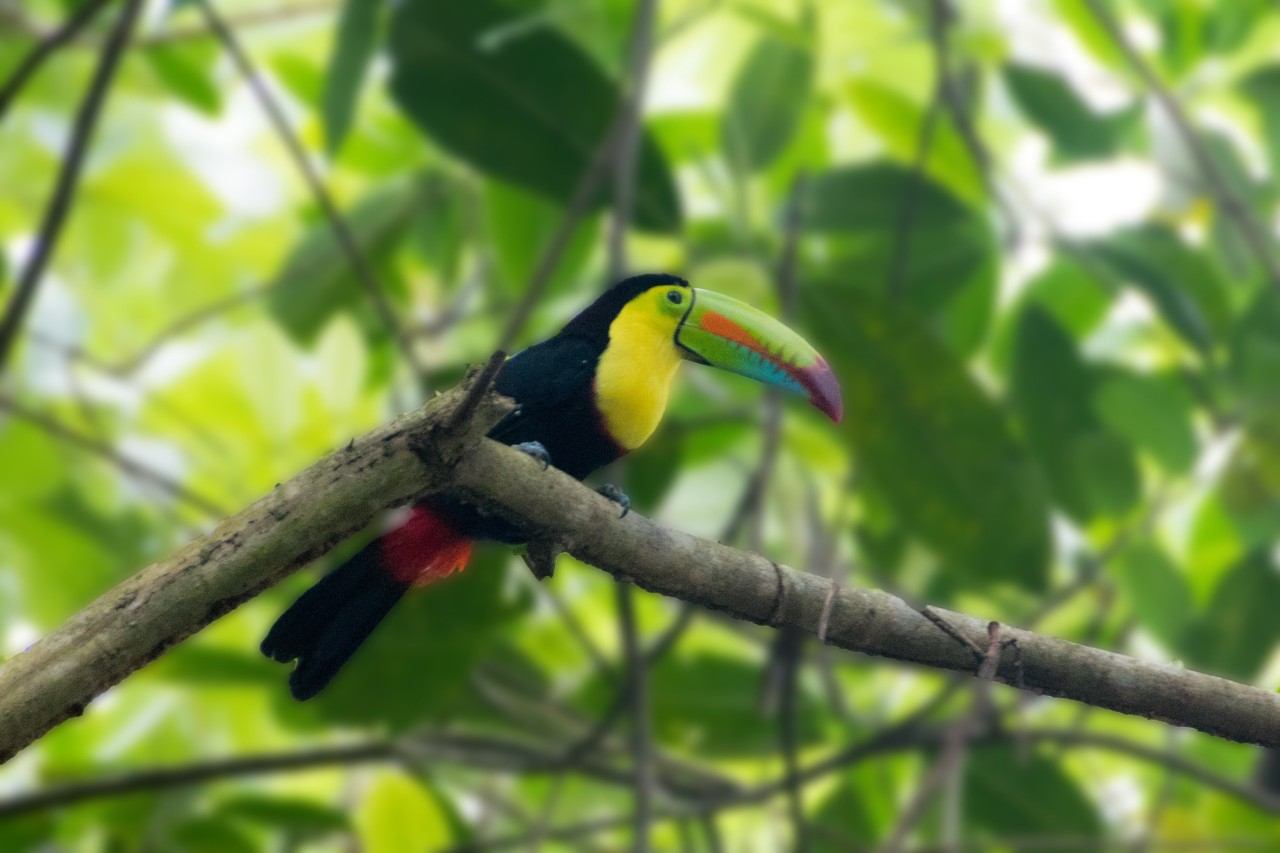
Panama has declared, in a groundbreaking new law, that nature has a «right to exist».
After a year-long debate in the country's National Assembly, President Laurentino Cortizo signed the new legislation last week.
It grants nature the «right to exist, endure, and regenerate its life cycles«. This means that Panama's parliament must now take into account the impact of its laws and policy measures on nature.
What does Panama's new legislation mean in practice?
The law, which will come into force in 2023, requires the government to respect the rights of Panama's ecosystems — including tropical forests, rivers, and mangroves — in its future policy. The country's parliament will also be legally obliged to promote the rights of nature through its foreign policy.
The text of the law defines nature as «a unique, indivisible, and self-regulating community of living beings, elements, and ecosystems that are interrelated and sustain, contain, and reproduce all living beings«.
Which other countries have granted rights to nature?
Panama now joins countries such as Colombia, New Zealand, Chile, and Mexico, which have granted nature legal protection either through their constitutions or the court system.
In February, Italy also enshrined the protection of the environment in its constitution. The Italian parliament must now work to ensure that the country's ecosystems are preserved for future generations. The new law also includes the protection of animals.
Bangladesh's rivers have also been granted legal protection. In 2019, the Supreme Court established the National River Conservation Commission, thereby granting all rivers the right to life. If someone causes environmental damage to a river, its human legal representatives can file a lawsuit on its behalf.
Other countries that have granted rivers legal status include Australia and India, where the Ganges and the Yamuna river are under special protection.
More on the subject of recreational hunting: What the research says about this is shown by Hunting fact-checked: the state of research.
The position of IG Wild beim Wild: IG Wild beim Wild rejects recreational hunting. Our model is the canton of Geneva, which has managed without recreational hunting since 1974: without hunting seasons, without hunting dogs, without driven hunts, without high seats, without the animal cruelty and crime that go hand in hand with hunting season elsewhere. What has worked there for over fifty years disproves every position paper by JagdSchweiz. An association that bases its policy on claims it refutes in its own documents is not a professional organisation, but a factory for misinformation.