Noise cameras against motorcycle noise in Switzerland
They cause unnecessary noise, pollution, waste of resources and endangerment of other road users.

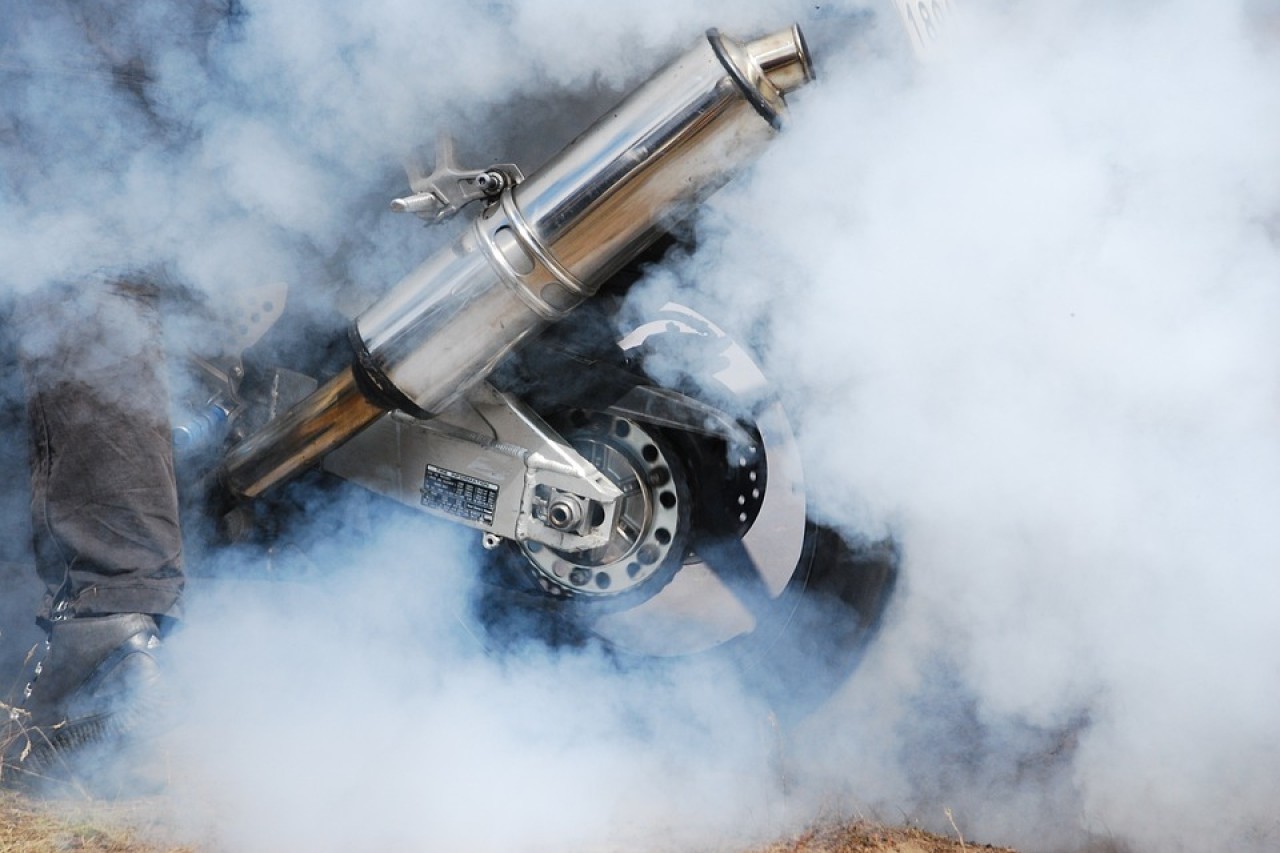
In good weather, they roar for pleasure over the Alpine passes, along lakeshores, through valleys and villages.
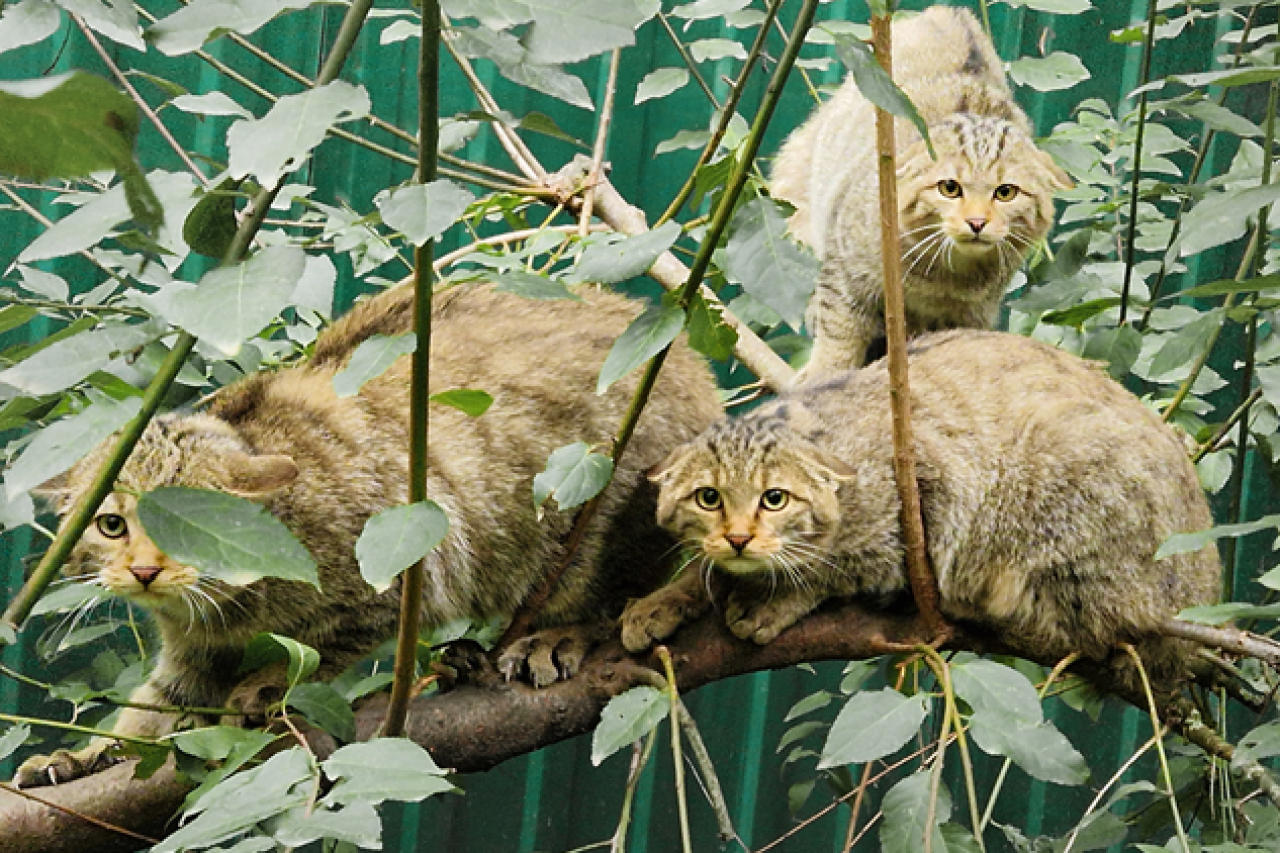
Residents and animals feel severely harassed. Cyclists too feel uncomfortable next to the noisy and forceful emissions. From Andermatt towards the Oberalp Pass, for example, traffic moves like on a motorway — in alpine terrain where people and animals seek peace and recreation.
Motorcyclists are exposed to a particularly high risk of accidents: they travel at speed, present a narrow profile and have no crumple zone. Although they account for only 3% of motor vehicle kilometres driven on Swiss roads, they make up more than a quarter of all seriously injured victims in road accidents. Each year, around 3’600 bikers are injured in total. Nearly 50 motorcyclists die per year on Swiss roads. 1’037 people are seriously injured every year in motorcycle accidents. Young bikers between the ages of 16 and 24 are particularly affected.
Link: Motorcycle accidents today and yesterday
Motorcycles are permitted to be significantly louder on the road than passenger cars. This unsportsmanlike pleasure-seeking society harasses and endangers itself, residents, the environment, animals and nature. Nothing of any use is being transported either. Some riders apparently prefer the louder the better. And their numbers keep growing.
Over one million people and animals along Swiss roads must live with excessive noise. They bear the health risk, while a handful of noise-makers pursue their loud-mouthed fun.
The effects of noise on animals are an important topic in environmental research. Noise can affect the habitats of animals, influence their behavior, and even endanger their health. Particularly in urban areas, animals such as birds, bats, and rodents are exposed to noise from road traffic and other human activities.
Effects of Noise on Animals
- Behavioral changes: Animals may alter their behavior as a result of noise, for example by abandoning their nesting sites or moving in atypical patterns.
- Communication disruptions: Many animals communicate using sounds and songs. Noise can disrupt this communication and thereby impair the social structures of animal communities.
- Health problems: Persistent noise can cause stress in animals, weaken their immune systems, and affect their reproductive behavior.
In order to minimize the effects of noise on animals, measures are being taken in many areas to protect natural habitats and reduce noise pollution.
Noise pollution affecting the population continues to be insufficiently captured by noise level measurements averaged over the course of the year. Police controls in this regard are rarely carried out.
In Switzerland, excessively loud motorcycles have been a major nuisance for years, particularly on popular mountain passes in the Pre-Alps and Alps, but also in the Mittelland.
The pilot project in Geneva in 2023 demonstrated that noise speed cameras are technically feasible and effective.
Tyrol leads the way
On popular excursion routes, motorcycles whose stationary noise level exceeds 95 decibels have been banned since June 10, 2020. The restrictions also apply to tourists. Anyone who violates the ban faces a fine of 220 euros. Tyrol is thereby responding to the noise nuisance caused by loud motorcycles. Especially on summer weekends, the thundering motorcycle traffic with high-rev riding during acceleration and braking disturbs the tranquility of the Alps. This riding ban — the first in Austria to be based on noise levels — is intended to bring about a noticeable reduction in the burden on both people and nature.
The noise excessively affects both people and nature. Various motions in the Swiss Parliament have so far failed due to the argument that noise levels must comply with EU directives in order not to jeopardize the land transport agreement with the EU. Since the driving ban in Tyrol is evidently possible in conformity with EU law, motorcycles with a stationary noise level exceeding 95 dB/A should also no longer be permitted to operate in Switzerland.
Noise stresses the population as well as other living beings and causes illness. Motorcycle noise devalues Switzerland's natural landscapes and drives away tourists seeking recreation. We should not be disturbed to such a degree in our well-being by a minority (Art. 15 EPA), and avoidable nuisances should be prevented (Art. 42 RTA). Causing unnecessary noise for pleasure is already prohibited today.
Many people living on busy roads are fed up with the noise. So is the Lärmliga Schweiz. It is calling on politicians to act in a petition. The federal government should provide noise cameras, introduce an upper noise limit, impose higher fines, and also ban rattling sounds from sports cars as well.
The IG Wild beim Wild also calls on politicians to finally take decisive action and advocate for the well-being of humans and animals — to put an end to the noisy epidemic on our roads! On mountain routes, an additional speed limit of 60 km/h should be introduced.
More on the subject of recreational hunting: The scientific evidence is presented in the overview Studies on the Effects of Recreational Hunting.
The position of IG Wild beim Wild: IG Wild beim Wild rejects recreational hunting. Our model is the canton of Geneva, which has managed without recreational hunting since 1974: without hunting seasons, without hunting dogs, without driven hunts, without high seats, without the animal cruelty and crime that go hand in hand with hunting season elsewhere. What has worked there for over fifty years disproves every position paper by JagdSchweiz. An association that bases its policy on claims it refutes in its own documents is not a professional organisation, but a factory for misinformation.