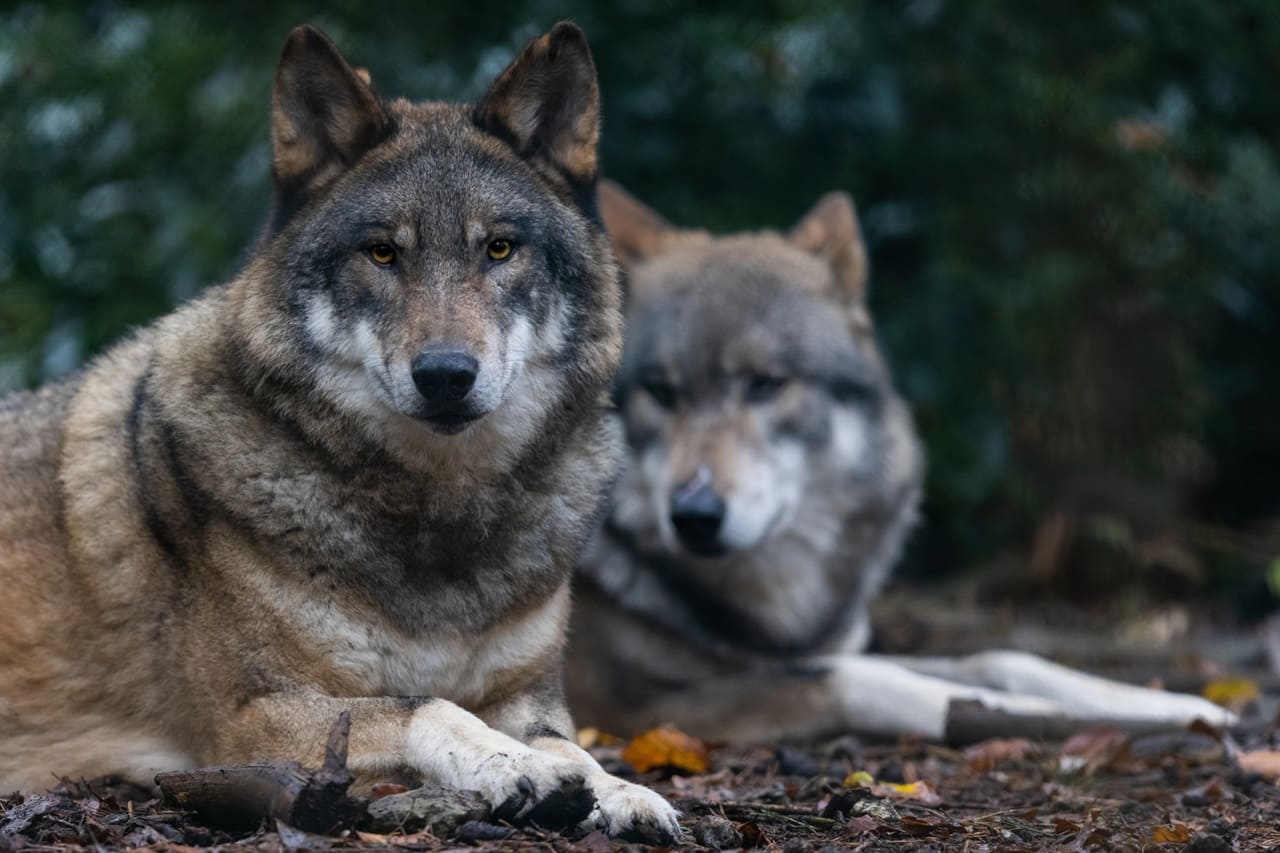
Hunting Ordinance: Greater Protection for the Wolf Demanded
The consultation on the Hunting Ordinance is underway. Animal welfare and nature conservation organisations are calling for greater support for coexistence with the wolf.


Until the middle of next week, the consultation on amendments to the Hunting Ordinance.
From the perspective of nature conservation organisations, the proposed changes largely fulfil three key requirements: compliance with the will of the people following the rejection of the Hunting Act, promotion of coexistence between the wolf and mountain communities, and preservation of regional wolf populations.
The decisive pillar for the coexistence of wolves and mountain communities is livestock protection. On this point, the Federal Council's draft has proved disappointing: Only half a million francs is to be made available in additional funding for livestock protection.
Ordinance must close gaps in livestock protection
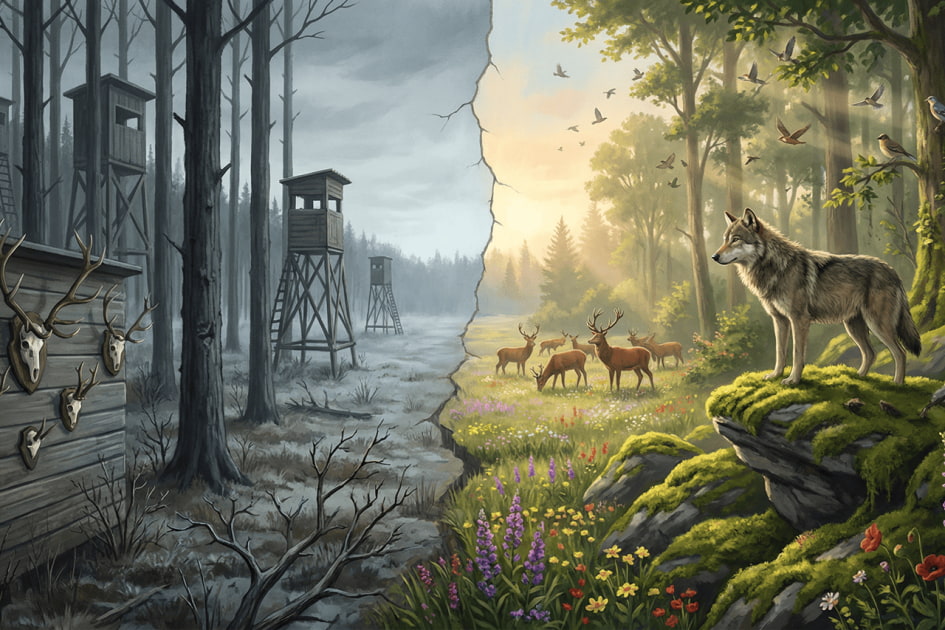
Particularly for small sheep and goat herds, the contributions towards herding are currently far too low. When interventions against the wolf are considered, its crucial role in the forest ecosystem must be taken into account. Especially in mountain and protective forests, the wolf's influence on ungulate populations and its role in improving natural forest regeneration must be given greater consideration.
Timely revision of the law with improvements to wildlife protection
The nature conservation organisations are calling for the amendment to the ordinance to come into force at the start of the Alpine summer season. All the more reason why a swift revision of the Hunting and Protection Act is needed — one that incorporates conservation concerns.
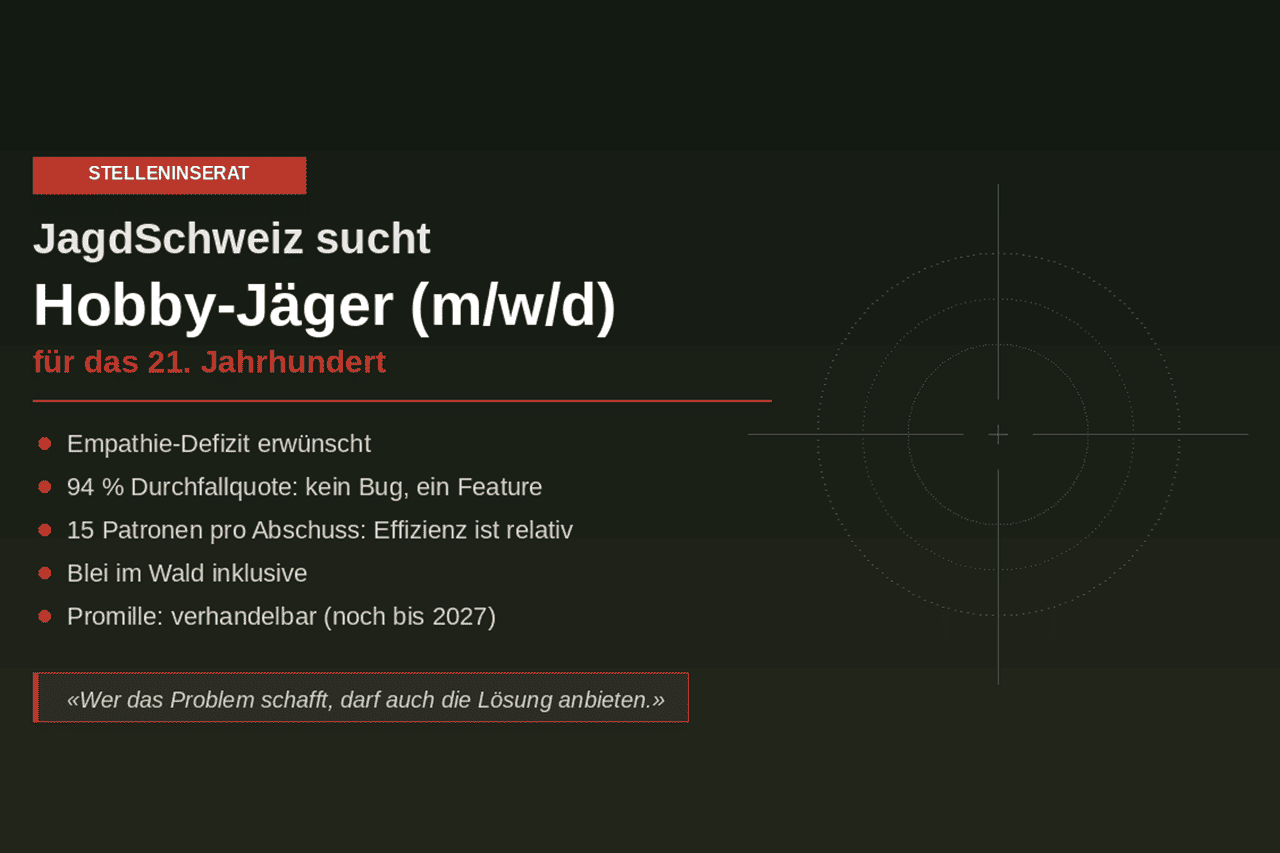
More on the subject of recreational hunting: In the dossier The Role and Criticism of Recreational Hunters we shed light on the training, power and self-image of recreational hunters. What the research says about this is shown by Hunting fact-checked: the state of research.
The position of IG Wild beim Wild: IG Wild beim Wild rejects recreational hunting. Our model is the canton of Geneva, which has managed without recreational hunting since 1974: without hunting seasons, without hunting dogs, without driven hunts, without high seats, without the animal cruelty and crime that go hand in hand with hunting season elsewhere. What has worked there for over fifty years disproves every position paper by JagdSchweiz. An association that bases its policy on claims it refutes in its own documents is not a professional organisation, but a factory for misinformation.