Foot rot to be combated nationwide in Switzerland
Foot rot is an acute, highly contagious and painful lameness disease that occurs primarily in sheep and goats. However, ibex can also be affected.

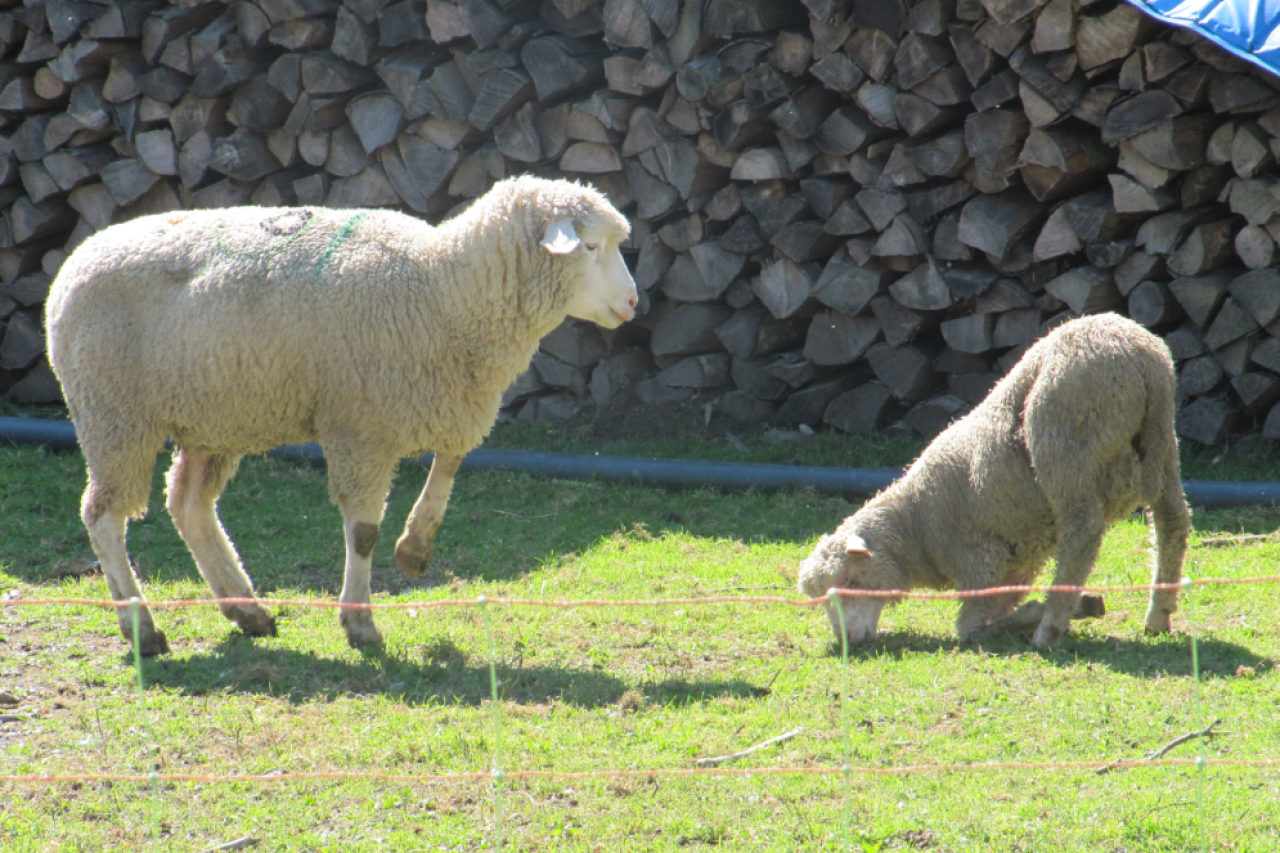
In Switzerland, foot rot has attracted increasing attention in recent years due to its negative impact on animal health and animal welfare.
According to federal authorities, cases of foot rot occur in one in four sheep flocks in Switzerland. A key factor is the movement of animals during the summer grazing months. Almost a quarter of the sheep that graze in alpine pastures in Graubünden, for example, come from other cantons.
Causes and triggers
Foot rot is caused by bacterial pathogens such as Dichelobacter nodosus. These pathogens penetrate the hooves of animals, causing inflammation and tissue damage. Moist and dirty environments promote the spread of the pathogens, which is why prevention is of great importance — particularly in Switzerland, with its frequently changing climatic conditions.
The pathogen has a limited lifespan of around 14 days on pastures and in the soil, and up to 42 days on moist ground in some cases (and even up to 6 months under favourable conditions), but can survive for years — in some cases up to 3½ years — in contaminated hoof material and in infected hooves. The disease spreads through indirect transmission via the soil across contaminated pastures, affecting an ever-growing number of animals.
Effects on animal health
The health of affected animals suffers greatly from foot rot, as the lameness severely restricts their freedom of movement. In addition, the inflammation causes immense pain and discomfort for the animals concerned. Animal keepers and veterinarians therefore strive to prevent the spread of foot rot as effectively as possible.
The disease is fundamentally curable and can usually be treated without the use of antibiotics.
With determination and perseverance, a herd can be free of foot rot within six to eight weeks, as demonstrated by the example of sheep farmer Willi Hager from Schalunen/BE.
National Control Programme
In future, only healthy animals should reach the alpine pastures — and this on a nationwide basis. As of 1 October 2024, national rules in the fight against foot rot will apply for the first time.
During the winter months, all sheep flocks in Switzerland are tested for the bacterium that triggers the disease. If cases are detected, they must be treated accordingly. In addition, vaccination against foot rot is prohibited until the national programme has been completed. As the federal government writes on its website, the vaccines alleviate the symptoms but do not eliminate the pathogen.
The aim of the federal government's national programme is for the disease to occur in fewer than one percent of Swiss sheep flocks within five years.
More on the subject of recreational hunting: What the research says about this is shown by Hunting fact-checked: the state of research.
The position of IG Wild beim Wild: IG Wild beim Wild rejects recreational hunting. Our model is the canton of Geneva, which has managed without recreational hunting since 1974: without hunting seasons, without hunting dogs, without driven hunts, without high seats, without the animal cruelty and crime that go hand in hand with hunting season elsewhere. What has worked there for over fifty years disproves every position paper by JagdSchweiz. An association that bases its policy on claims it refutes in its own documents is not a professional organisation, but a factory for misinformation.