
World Wildlife Day: Coexistence instead of culling
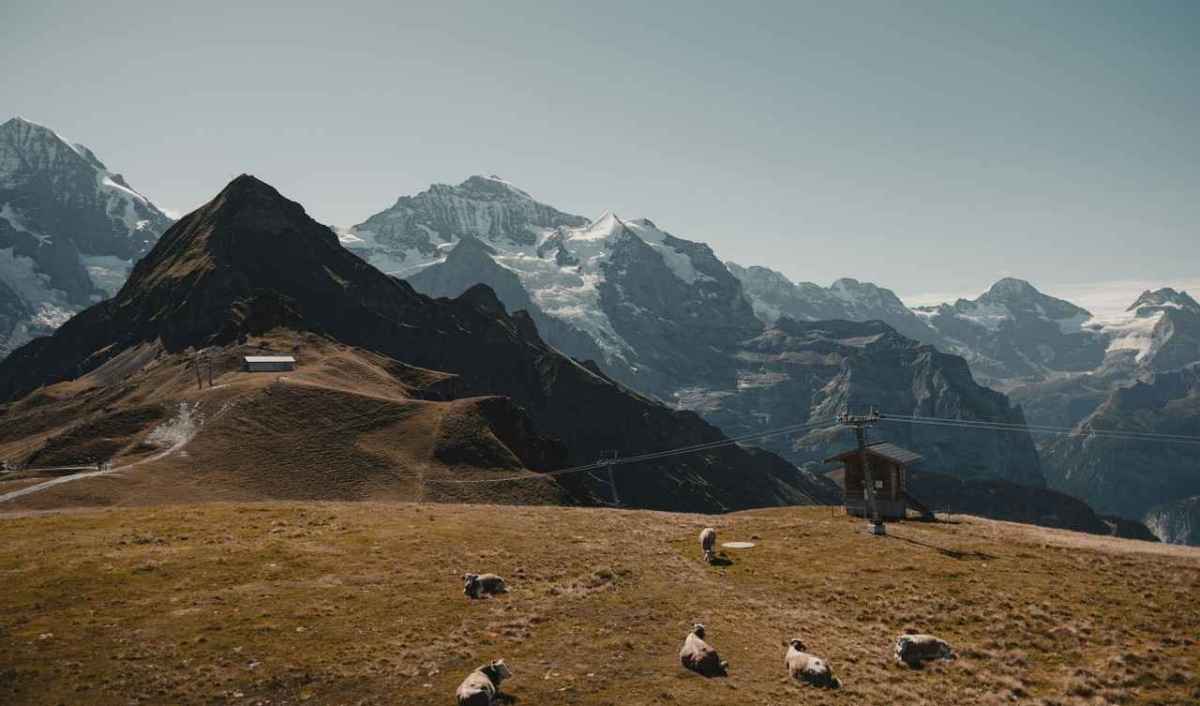
3 March is the United Nations' World Wildlife Day. It commemorates the Washington Convention on International Trade in Endangered Species, CITES, which was adopted on 3 March 1973. In 2027 the day is dedicated to the theme «Human-Wildlife Conflict & Coexistence: Shared Spaces, Shared Solutions», that is, conflict and coexistence between humans and wild animals in shared habitats.
Switzerland is going in the opposite direction. Since December 2023, the cantons have been allowed to shoot wolves pre-emptively, before any damage has even occurred. Grisons alone received approval for the 2026/27 period for 61 wolf kills approved. How many wolves were actually killed is documented by the wolf counter by Wild beim Wild.
The facts speak in favour of coexistence. In 2025, the KORA foundation confirmed 43 wolf packs in Switzerland and identified 350 wolves. Since the wolf's return, not a single attack on humans has been documented. According to studies cited by Pro Natura, around 4,000 sheep die each year in the Swiss mountains from disease, falls or bad weather. In 2022, wolves killed 336 livestock animals. In the Val Russein, 82 sheep fell to their deaths, with no indication of a wolf whatsoever. More on this in the dossier Wolf in Switzerland.
Coexistence begins with the question of which kinds of use are acceptable in wildlife areas at all. Above the tree line is wildlife territory. Fences and pasture nets turn the Alps into an obstacle course for wild animals, and anyone who subsidises hobby sheep farming in the high mountains is complicit in kills, fences and wolf shootings. For IG Wild beim Wild it is also clear: when it comes to ungulates, recreational hunting has been failing for decades, and the protection forest needs the wolf (The forest–wildlife conflict in Switzerland).
Species protection also means not shooting endangered species. According to the Federal Hunting Statistics, in 2025 recreational hunters killed, among others, 1,400 woodcocks and 1,343 brown hares, both Red List species, as well as 292 black grouse and 223 rock ptarmigan, both nationally priority species.
IG Wild beim Wild demands an end to pre-emptive wolf shootings, an honest debate about summer grazing in wildlife areas, and the removal of endangered species from the list of huntable species. The model is the canton of Geneva, where recreational hunting has been banned since 1974 and trained state wildlife wardens act where intervention is necessary.
Species protection means living together, not killing.
You can find more background in the dossier Recreational hunting and biodiversity on wildbeimwild.com.