Mandatory Training for All Dogs in the Canton of Zurich
On June 1, the revised dog legislation comes into force in the Canton of Zurich.

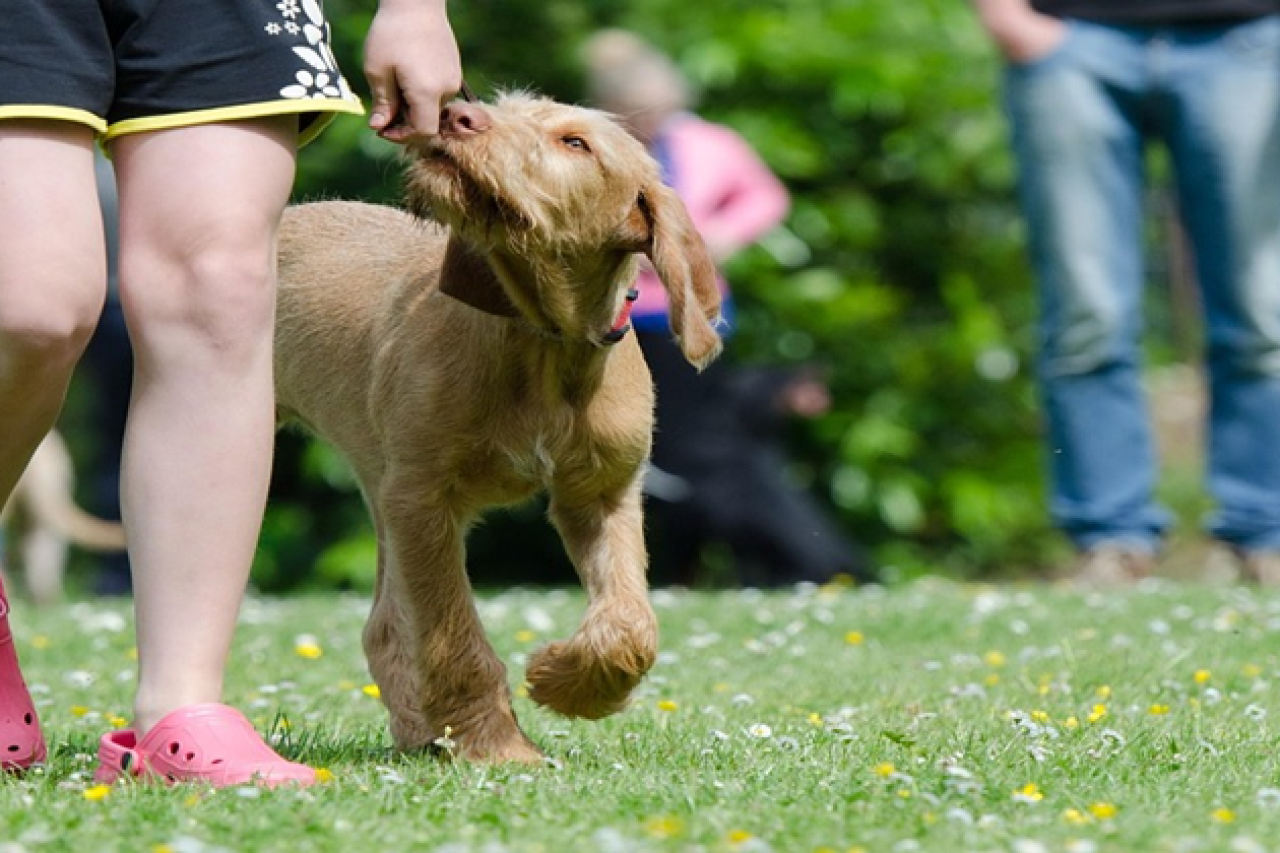
The Zurich Animal Protection organisation is pleased that all dogs will once again be required to attend dog training school.
A minimum number of lessons and the assessment of learning objectives are intended to ensure success. The dog training courses are a strong signal for greater animal welfare; however, the Canton of Zurich's unilateral approach adds to the national patchwork of dog regulations.
Simplified mandatory requirement for all dogs
The most important achievement of the new Zurich dog legislation is the reintroduction of a mandatory practical training requirement for all dogs – regardless of whether they are large or small. Since the nationwide mandatory proof of competence (SKN) was abolished at the end of 2016, the Canton of Zurich had only retained a mandatory course requirement for “large and stocky” breeds. From an animal welfare perspective, it is very welcome that dog owners must now attend six practical lessons with every dog. After all, small and large dogs have the same needs and must be socialised and raised without the use of force.
Unlike the hobby hunters, who once again breed naturally small dogs into fighting machines for recreational hunting. Animal fights occur repeatedly during recreational hunting, which is strictly prohibited under the Animal Welfare Act. Outside of the hunting season, the hunting dogs of recreational hunters are often forced to lead a miserable existence on a balcony, in a kennel, or in a basement for the rest of their lives, without daily exercise.
Practical training courses also strengthen the human-animal bond – and owners learn to respond to the individual needs of their dog.
The be-all and end-all of dog ownership
Anyone who has never owned a dog or whose last dog was more than ten years ago must also attend a theory course. Nadja Brodmann from the Zurich Animal Protection Society is convinced: “This way, basic knowledge about dogs, their needs and behavior, as well as species-appropriate care can be imparted and improper keeping can be prevented.” However, since the mandatory course requirement covers only two lessons, dog owners must acquire much of the knowledge through self-study if they want to pass the theory exam. At least the canton provides an in-depth brochure for this purpose.
Progress with a bitter aftertaste
Nadja Brodmann considers the new dog legislation an important prerequisite for improving the welfare of dogs in the canton. However, she criticizes the prescribed number of lessons as an absolute minimum: “Anyone who wants to handle their dog safely in all situations and do right by them in every respect must acquire considerably more knowledge and invest more time than the mandatory requirement stipulates.” She also emphasizes that the theory course should be attended before acquiring the dog: “Only then can wishful thinking be questioned and later disappointments — or even the surrender of the dog to a shelter — be prevented.” The theory course also warns against unscrupulous puppy trading, which could prevent a great deal of animal suffering.
A national regulatory jungle of rules
Despite the commitment to greater animal welfare and safety in dealing with dogs, one drawback remains: the canton of Zurich going it alone. This creates a new course program that applies only at the cantonal level. Yet the “National Dog Owner Brevet,” a proven further development of the earlier SKN courses, would already be available. Currently, however, only the canton of Lucerne adheres to these guidelines. All the more valuable, therefore, is the motion by Meret Schneider in the National Council, in which she calls for a national proof of competence for dog ownership — with a theory component before acquiring the dog. “A national solution could finally reunify this patchwork of cantonal dog regulations — for the benefit of both humans and animals,” says Brodmann.
More on the subject of recreational hunting: In the dossier The Role and Criticism of Recreational Hunters we shed light on the training, power and self-image of recreational hunters. What the research says about this is shown by Hunting fact-checked: the state of research.
The position of IG Wild beim Wild: IG Wild beim Wild rejects recreational hunting. Our model is the canton of Geneva, which has managed without recreational hunting since 1974: without hunting seasons, without hunting dogs, without driven hunts, without high seats, without the animal cruelty and crime that go hand in hand with hunting season elsewhere. What has worked there for over fifty years disproves every position paper by JagdSchweiz. An association that bases its policy on claims it refutes in its own documents is not a professional organisation, but a factory for misinformation.