Last mink farm in Saxony shut down
According to a media report, the operator of the last fur farm in Saxony has shut down operations and is no longer breeding minks near Seelitz. The facility was one of the last fur farms in Germany. Since 2011, the operator had refused to house the animals in accordance with the animal welfare regulations for livestock farming applicable at the time — for example, by failing to properly enlarge the cages. The animal rights organisation PETA, which had already


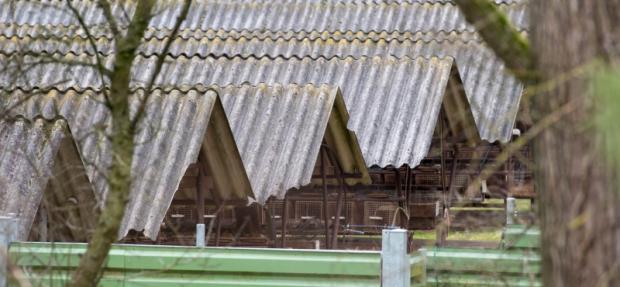
Fur farm/mink farm in Germany.
“From Brown to White”
According to a media report, the operator of the last fur farm in Saxony has shut down operations and is no longer breeding minks near Seelitz. The facility was one of the last fur farms in Germany. Since 2011, the operator had refused to house the animals in accordance with the animal welfare regulations for livestock farming applicable at the time — for example, by failing to properly enlarge the cages. The animal rights organisation PETA, which had already filed a criminal complaint against the breeder in 2012, has welcomed the closure and is renewing its call for a nationwide ban on fur farms.
Years of protest against the mink farm
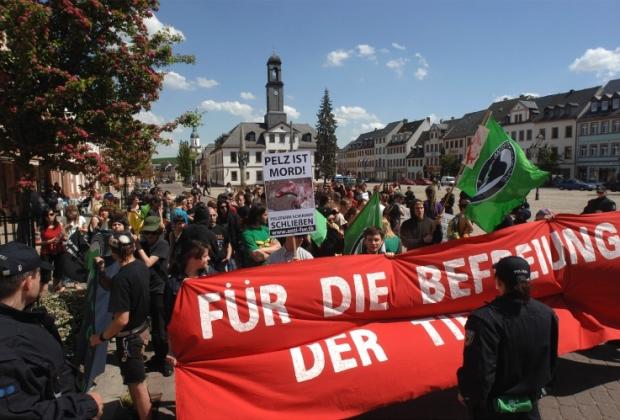
Animal rights activists repeatedly demonstrated against the keeping of minks in Döhlen and called for an end to the breeding operation. Among other things, they criticised the fact that the animals were being kept in cages that were too small.
«All animal lovers are delighted that the mink farm in Döhlen has finally been shut down after years of legal dispute. The gassing of sentient animals for fur has now come to an end there,» says Frank Schmidt, Senior Policy Adviser for Animals in the Clothing Industry at PETA. «The fur industry has been ignoring animal welfare requirements for years — that makes a general ban on fur farms urgently necessary. We will not give up until all fur farms at home and abroad are closed.»
Call for a general ban on fur farms
PETA is calling for a general ban on fur farms by the Bundestag, which according to a GfK survey is also supported by nearly 80 percent of Germans. Most people in this country are firmly opposed to fur. Nevertheless, three more mink farms still exist in Germany, which have been operating for years with cages far too small and without swimming pools for these water-loving animals. Currently, one farm still exists in Grabow (Saxony-Anhalt) and another in Rahden (North Rhine-Westphalia), as well as a hobby breeding operation of 50 minks near Osnabrück.
In Germany, a new law on fur animal keeping came into force in September 2017, requiring fur breeders to provide larger cages, solid flooring, and swimming pools — measures that should have already been implemented by 2016 at the latest. However, the fur farmers filed suits in administrative courts to gain time and legal protection against the threatened closures.
A Tradition Since the 1930s
Fur production had a long tradition in Döhlen. According to reports, minks had been bred there since the 1930s. From the 1960s onwards, the operation existed as an Agricultural Production Cooperative (LPG). Records from 1974 note that 23 workers produced mink pelts worth between 800,000 and 900,000 marks per year. Around 1980, approximately 14,000 minks were kept per season, and later accounts also mention thousands of animals on multiple occasions. How many there were most recently, owner Ronald Schirmer refuses to say. He is also tight-lipped about the number of employees. “It is one of the largest employers in the municipality,” confirmed Seelitz mayor Thomas Oertel. He does not wish to comment on the cessation of production, but says with regard to the animal rights activists’ actions: “Things will now settle down. That is a positive development for us.”
Minks love to swim and typically live near bodies of water. They can dive 15 metres deep on a single breath. In the wild, these wild animals defend their territory very intensively and are absolute loners, while on Germany’s fur farms they are confined by the tens of thousands in tiny wire cages, leading to frequent behavioural disorders and self-mutilation among the minks. More on the topic of animal rights.
More on the subject of recreational hunting: In our dossiers on recreational hunting gather fact-checks, analyses and background reports. The scientific evidence is presented in the overview Studies on the Effects of Recreational Hunting.
The position of IG Wild beim Wild: IG Wild beim Wild rejects recreational hunting. Our model is the canton of Geneva, which has managed without recreational hunting since 1974: without hunting seasons, without hunting dogs, without driven hunts, without high seats, without the animal cruelty and crime that go hand in hand with hunting season elsewhere. What has worked there for over fifty years disproves every position paper by JagdSchweiz. An association that bases its policy on claims it refutes in its own documents is not a professional organisation, but a factory for misinformation.