Investigation in Aargau: Dioxin contamination in wild boar a cause for concern
Caution is advised when consuming wild boar meat from the Suhret forest near the waste incineration plant (KVA) in Buchs AG: elevated concentrations of dioxins and PCBs (polychlorinated biphenyls) were detected in several samples.

As part of an investigation by the canton of Aargau, soils around the waste incineration plants in Buchs, Turgi and Oftringen were examined.
Initial results from 2022 showed significantly lower contamination levels than those found in the heavily contaminated area of Lausanne, where around 4,000 properties were affected, the canton states in a press release.
- Oftringen: Very low dioxin levels — no risk identified.
- Turgi: Vegetables and salads are considered safe; nonetheless, recommendations include “not grazing sheep for too long” and thoroughly cleaning fodder beets.
- Buchs: Elevated levels were measured in soil samples taken in the Suhret forest in 2023; the risk is locally contained but perceptible.
Contamination in wild boar — but not in roe deer or mushrooms
Investigations of wildlife stocks yielded contradictory results:
- Mushrooms and roe deer meat showed only trace levels of dioxins — and are considered safe for consumption.
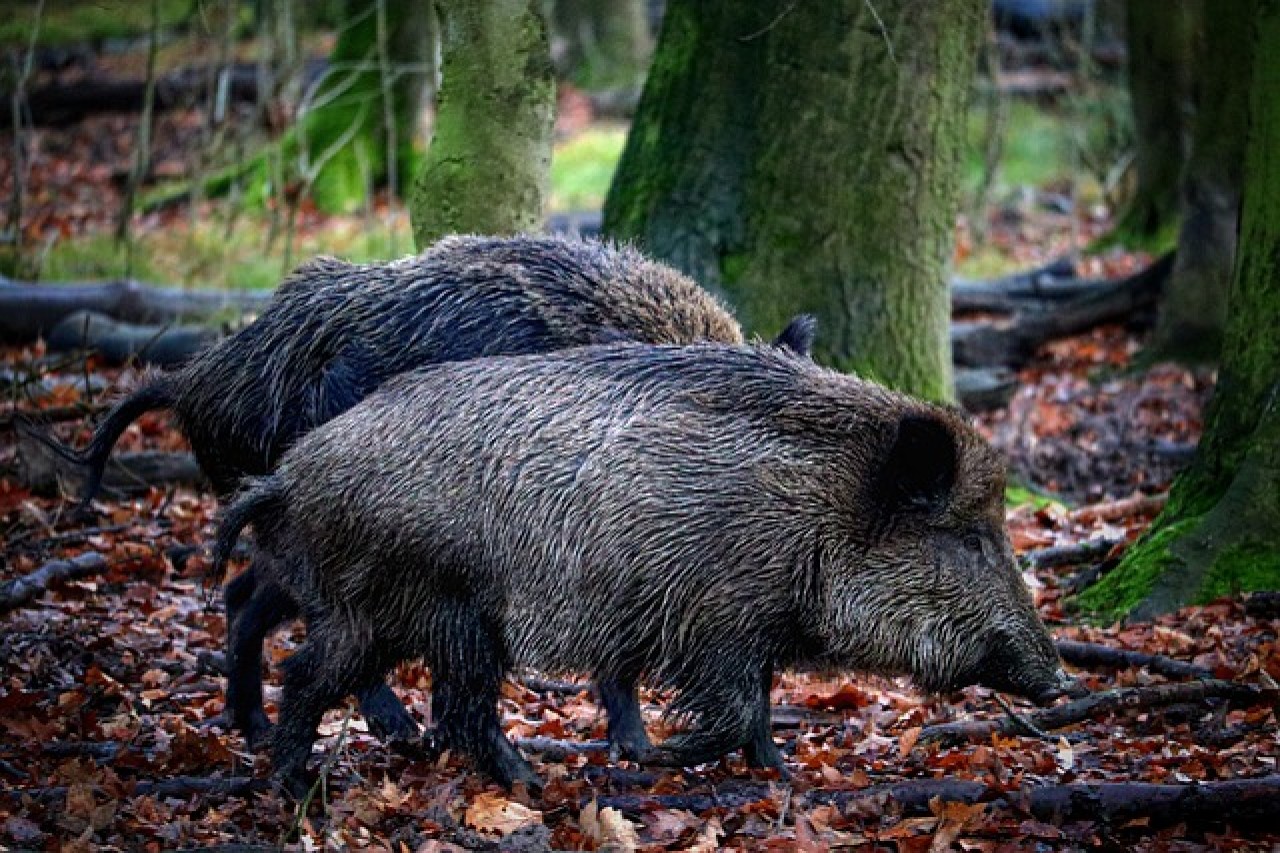
- Wild boar meat, by contrast, showed elevated concentrations in 5 out of 17 samples.
The reason: wild boar root in the soil — unlike roe deer, which only graze — and therefore absorb contaminated substances particularly rapidly. In addition, these fat-soluble toxins accumulate readily in the fat-rich adipose tissue of wild boar.
Strict utilisation rules introduced
- Hobby-hunters are still permitted to hunt wild boar in the Suhret forest — but every animal killed wildlife must be tested in a laboratory for dioxins and PCBs.
- Meat may neither be sold nor consumed without testing.
- If an animal is found to be contaminated, KVA Buchs AG covers the costs of laboratory analyses and proper disposal. Hunting associations and the canton incur no additional costs as a result, despite the increased workload. The president of Jagd Aargau, Gerhard Wenzinger, emphasizes that hunters have so far responded cooperatively.
- The canton plans to reassess the situation in one year based on new data.
Possible consequences for the population and hunting
The elevated dioxin and PCB levels raise particular concern in meat. According to Olga Miller of the Aargau Office for Consumer Protection, these substances are considered hazardous to health, as they accumulate in fatty tissue and can impair the immune system or even promote cancer with prolonged exposure. In severe cases, they can even be fatal.
There is therefore no immediate danger for the population around KVA Buchs – provided that the recommendations and requirements are strictly implemented. The hunting and consumer safety are thus closely interlinked.
Added value:
- Game meat: Natural, healthy – or dangerous?
- Game meat from recreational hunters? – Carrion on the plate!
- Studies indicate health risks in the context of consuming game meat
- Nutrition: The civilized palate
- Game meat from hunters is carrion
- Game meat cannot be organic
- Meat from wild animals is not organic game
- Dementia: How harmful is venison?
- Venison makes you ill
- Lead residues in game meat products
- Game meat: Risks, lead and hunting myths
- Caution: Warning about game meat from recreational hunters
- Hunters lie when selling meat too
More on the subject of recreational hunting: In our dossiers on the criticism of recreational hunting gather fact-checks, analyses and background reports. The scientific evidence is presented in the overview Studies on the Effects of Recreational Hunting.
The position of IG Wild beim Wild: IG Wild beim Wild rejects recreational hunting. Our model is the canton of Geneva, which has managed without recreational hunting since 1974: without hunting seasons, without hunting dogs, without driven hunts, without high seats, without the animal cruelty and crime that go hand in hand with hunting season elsewhere. What has worked there for over fifty years disproves every position paper by JagdSchweiz. An association that bases its policy on claims it refutes in its own documents is not a professional organisation, but a factory for misinformation.