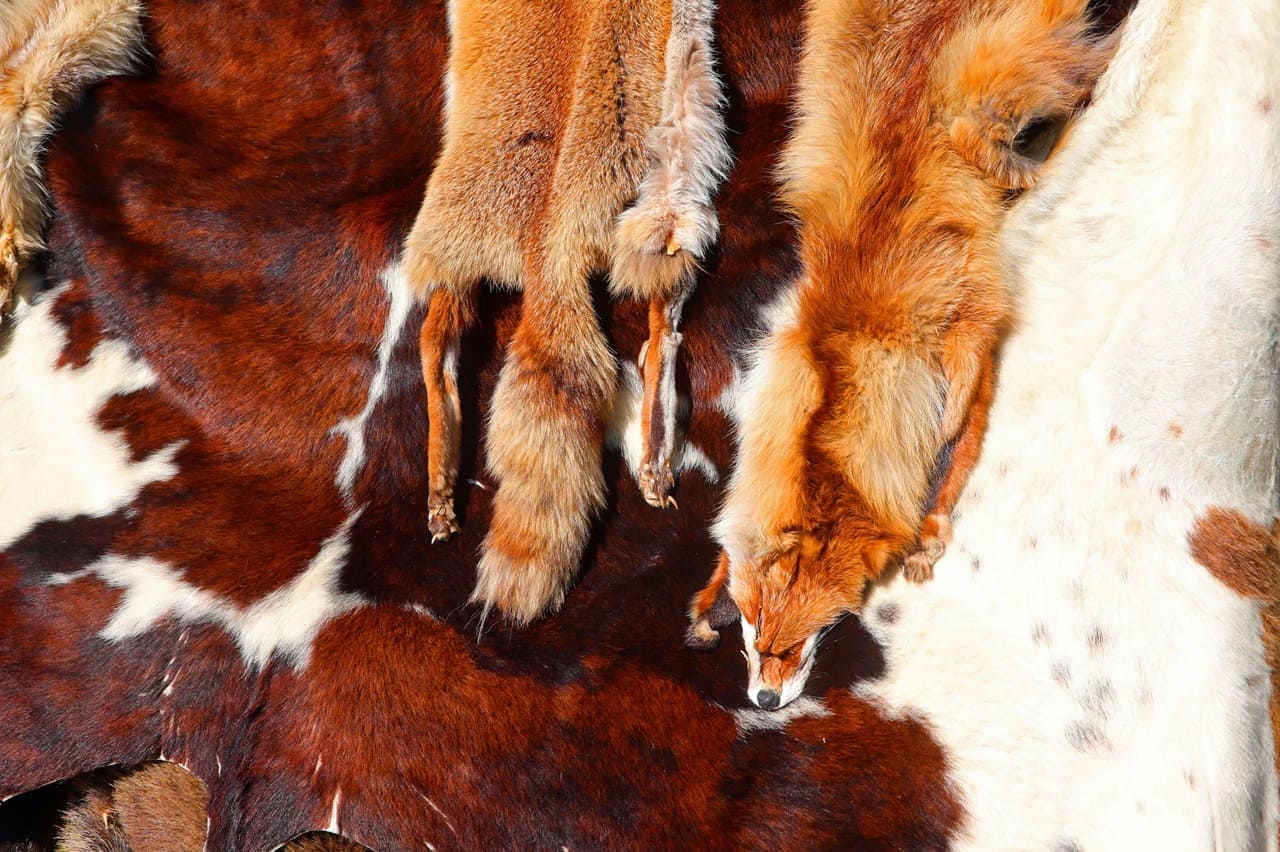
Opponents of Hunting for Good Reason
Today's hunting establishment is a vicious cycle that recreational hunters and all those who profit from it take great pleasure in.

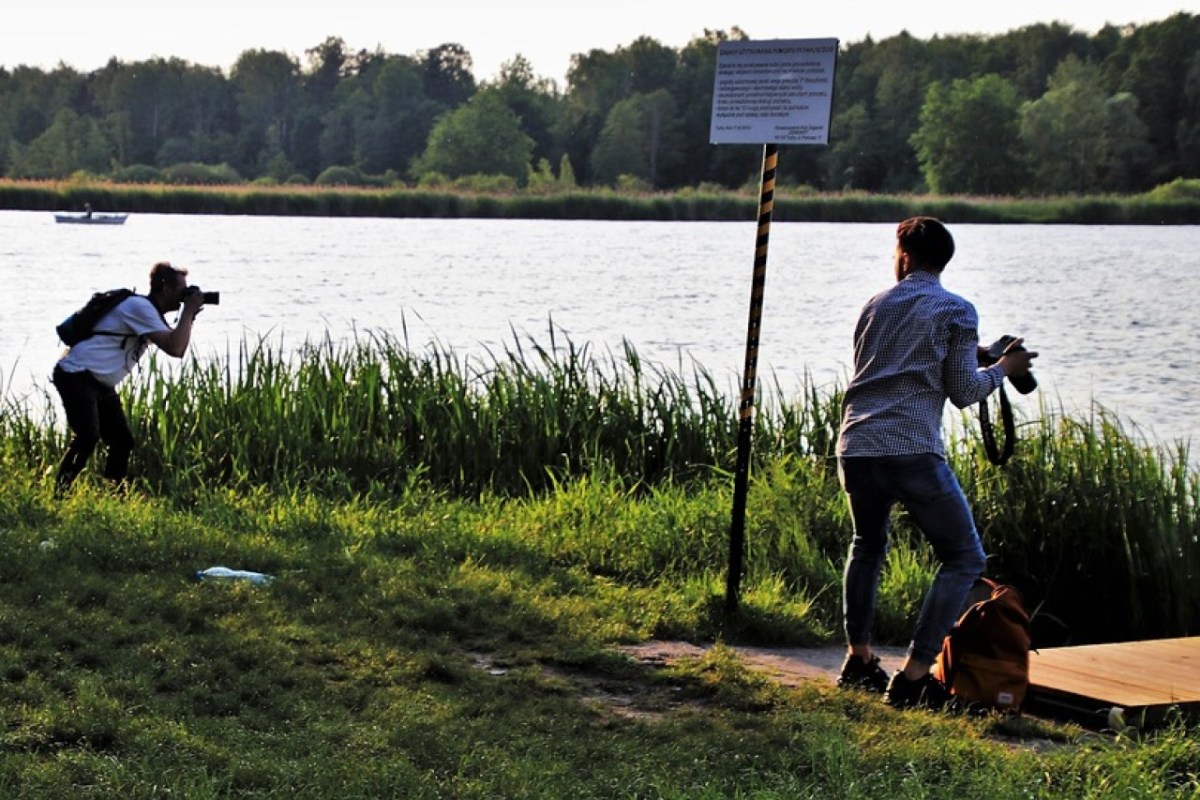
“Ceasefire”
Wildlife does not belong to recreational hunters (res nullius), but equally to the non-hunting majority of the population.
The ratio is 4 (recreational hunters) to 96 (non-hunters). It should therefore not be a matter of indifference to us when a minority torments a common good in our own neighbourhood.
Recreational hunters go so far as to believe they need not justify their animal cruelty to anyone.
Important cornerstones are all too often left out of the hunting establishment. There is neither adequate prevention to ensure that no living beings need to be shot, nor, for example, birth control to stabilise wildlife populations. Scientific tools for this have long been available, such as immunocontraception. Recreational hunting does not mean less wildlife, but rather more births and chaos in the natural order.
The argument for meat production is equally flawed. In Switzerland, there is today an excess of unhealthy meat — so much so that it is even being exported in ever greater quantities.
What is the background to the concept of the hunting drive?
Quite simply, from a legal standpoint it could constitute fraudulent misrepresentation. The so-called “hunting drive” conceals what is in fact a “killing drive.” There may be recreational hunters who genuinely believe they are doing something good. Yet even the notion of nature conservation is absurd in this context. Today's recreational hunters do not go hunting to feed themselves. They go to kill, to revel in death, to satisfy their subtle urges for power over other living beings. They desperately attempt to compensate for their need for recognition and lack of charisma through sadistic substitute acts.
Opponents of hunting are the unheard voice of wildlife
Critics of hunting seek to portray wildlife as more than merely something to be constantly and militantly eliminated. Opponents of hunting diagnose grievances and offer guidance on how to pursue contemporary and ethical approaches.
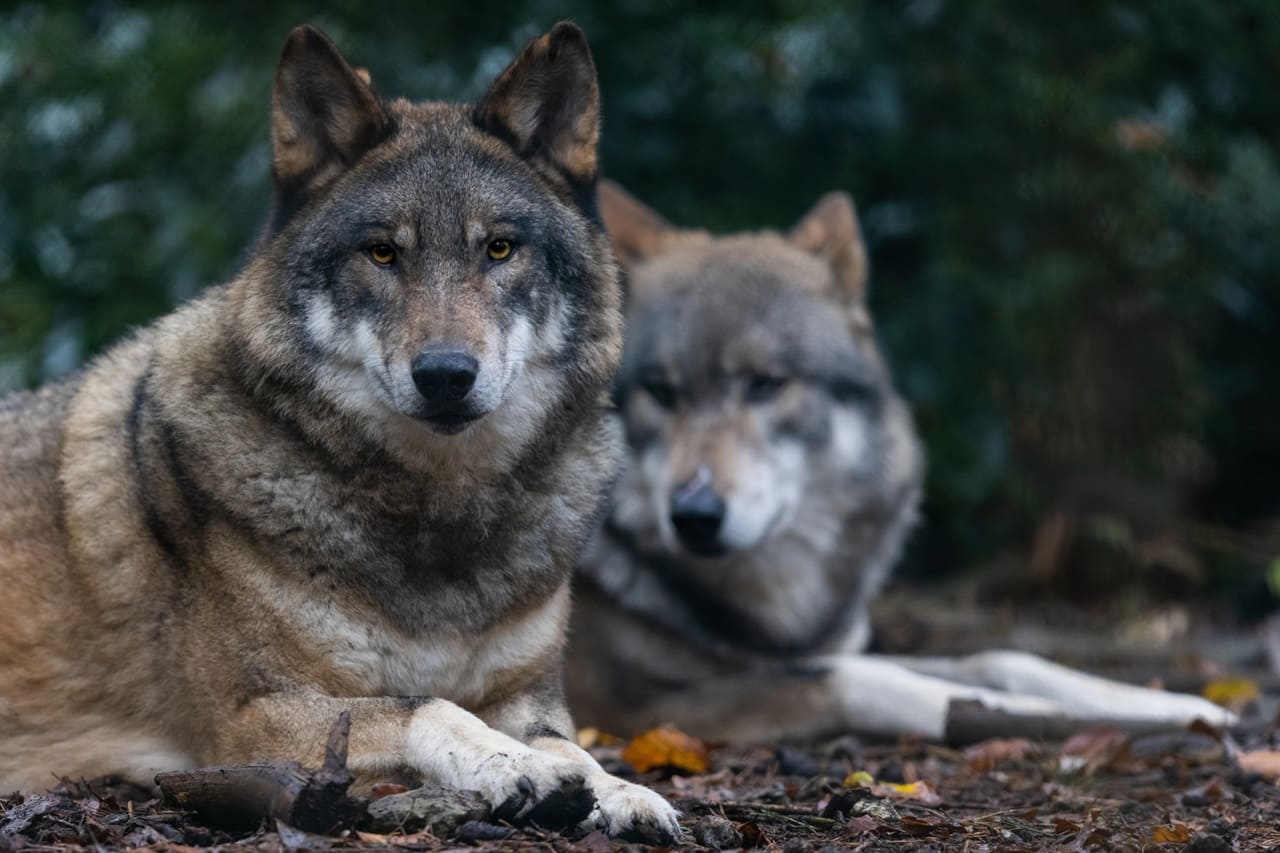
Decimated wildlife populations, however, produce more offspring than in unhunted areas. Recreational hunters are therefore responsible for the damage, particularly for the many wildlife-vehicle collisions. If there were more predators such as lynx and wolves, there would be a smaller ungulate population.
Recreational hunting pretends to be something it is not
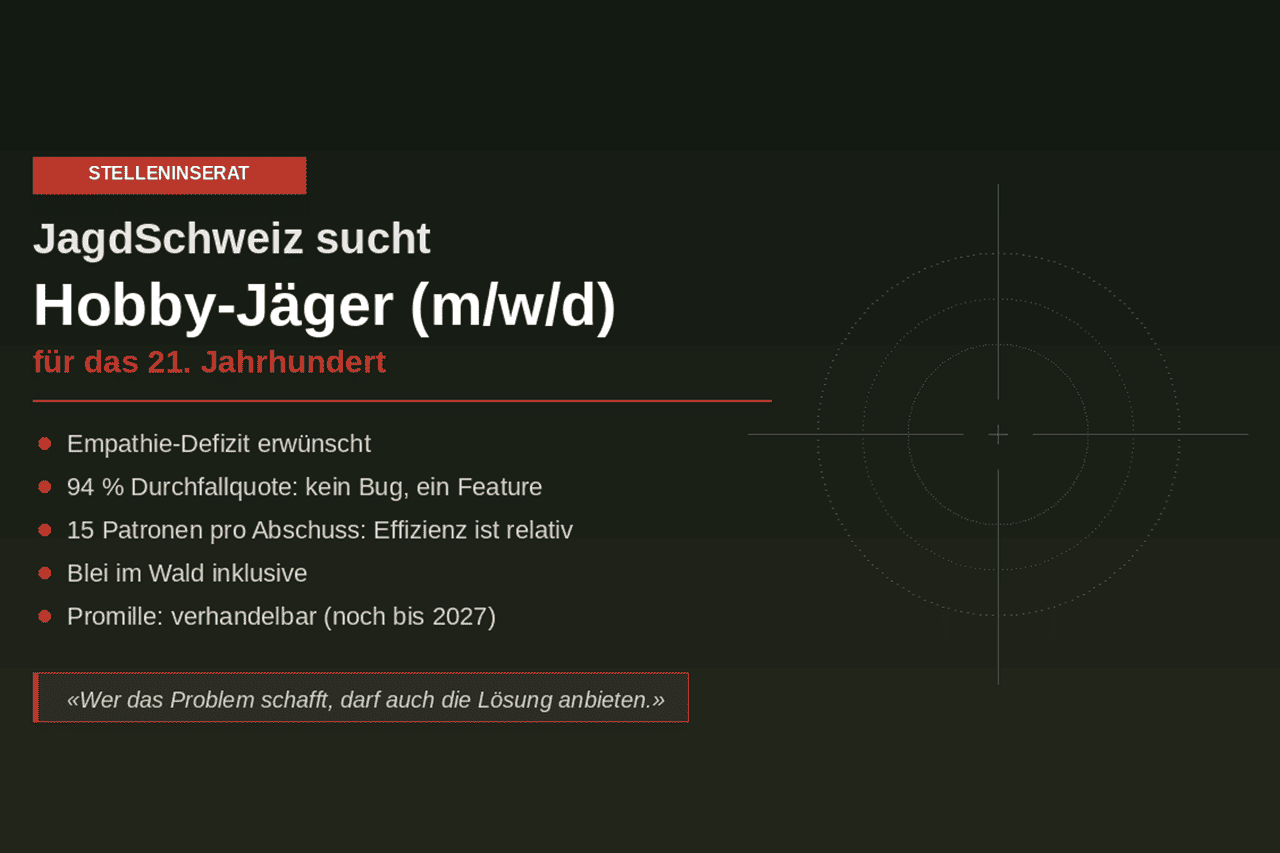
The umbrella organization of Swiss recreational hunters wrote on 29.8.2011: «JagdSchweiz knows that wildlife populations would, in principle, regulate themselves, even in our cultivated landscape.»
Nevertheless, recreational hunters typically show no interest in important wildlife biology findings, ecology, animal welfare or ethics. Practically everything that violates animal welfare standards is considered fair chase.
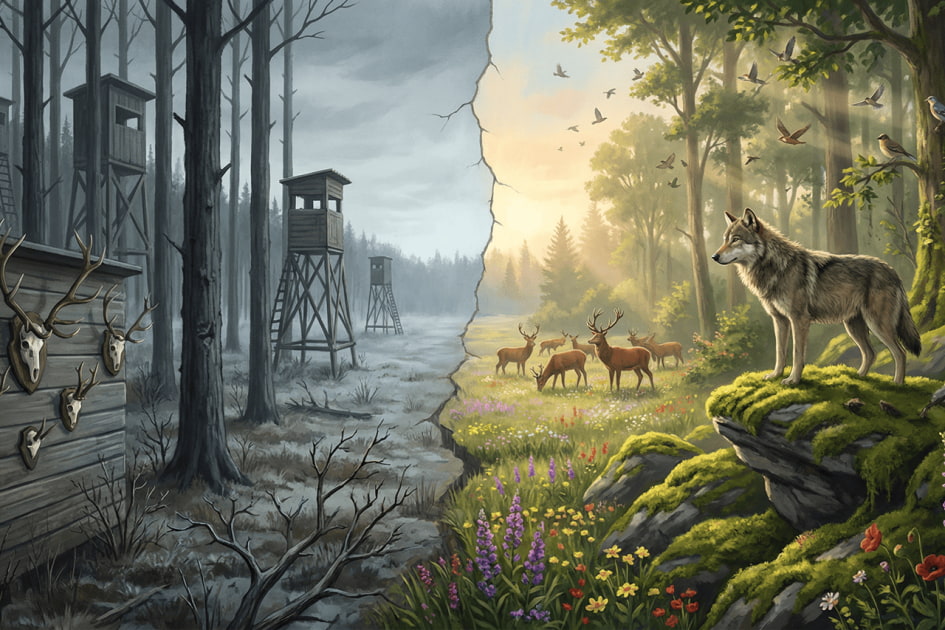
Cultivated landscape also means practicing a culture of non-violence toward defenseless and vulnerable living beings. Hunting wildlife for fun is a form of cultural regression. No recreational hunter would do anything for species or nature conservation if they are not permitted to kill. The Geneva model has demonstrated since 1974 that professional wildlife management functions without recreational hunting.
| You can help all animals and our planet with compassion. Choose empathy on your plate and in your glass. Go vegan. |
More on the subject of recreational hunting: In the dossier The Role and Criticism of Recreational Hunters we shed light on the training, power and self-image of recreational hunters. The scientific evidence is presented in the overview Studies on the Effects of Recreational Hunting.
The position of IG Wild beim Wild: IG Wild beim Wild rejects recreational hunting. Our model is the canton of Geneva, which has managed without recreational hunting since 1974: without hunting seasons, without hunting dogs, without driven hunts, without high seats, without the animal cruelty and crime that go hand in hand with hunting season elsewhere. What has worked there for over fifty years disproves every position paper by JagdSchweiz. An association that bases its policy on claims it refutes in its own documents is not a professional organisation, but a factory for misinformation.