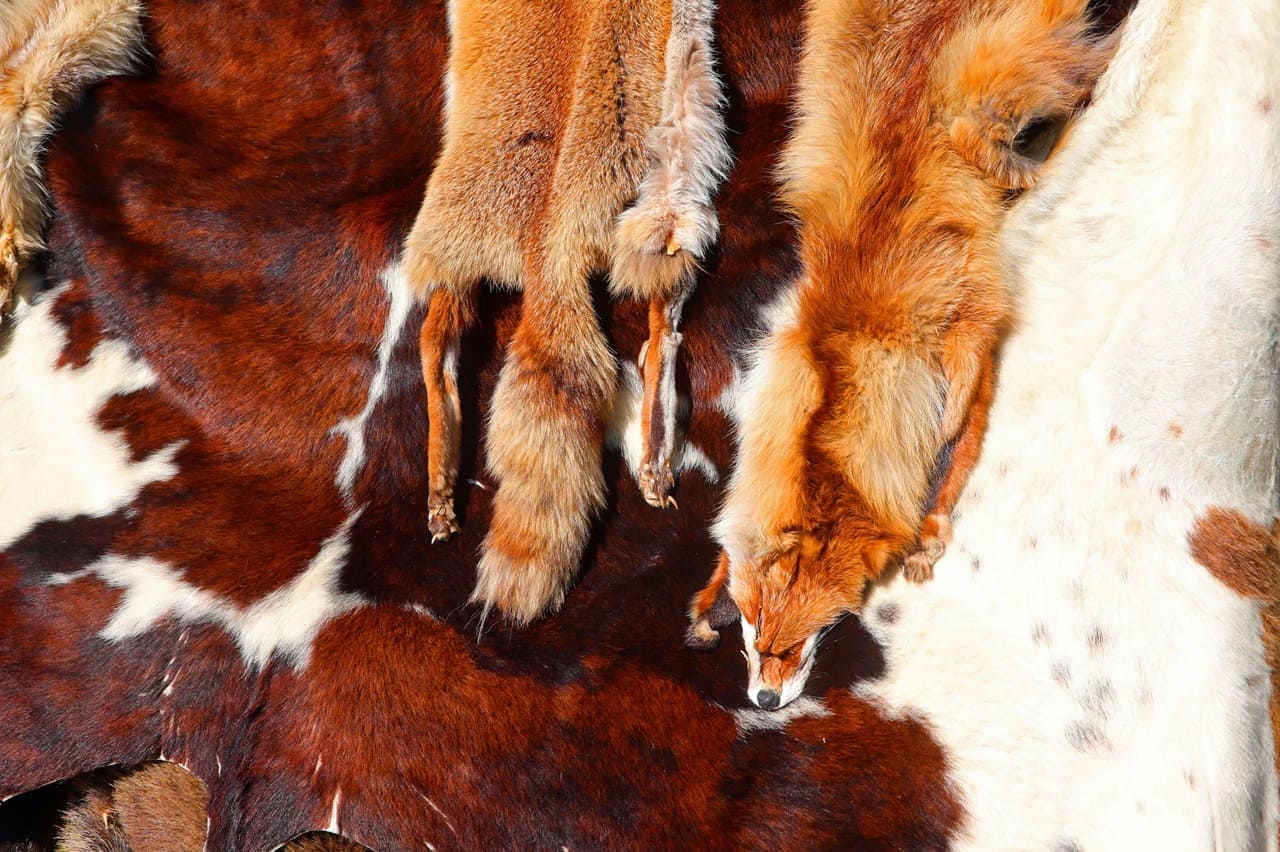
Hunting Law: NO in the Interest of the Mountain Forest
Mountain Forest Project says No to the Hunting Law — Vote on 27 September 2020.


The ecological balance between wildlife and forest is out of kilter and is threatening the protective forest.
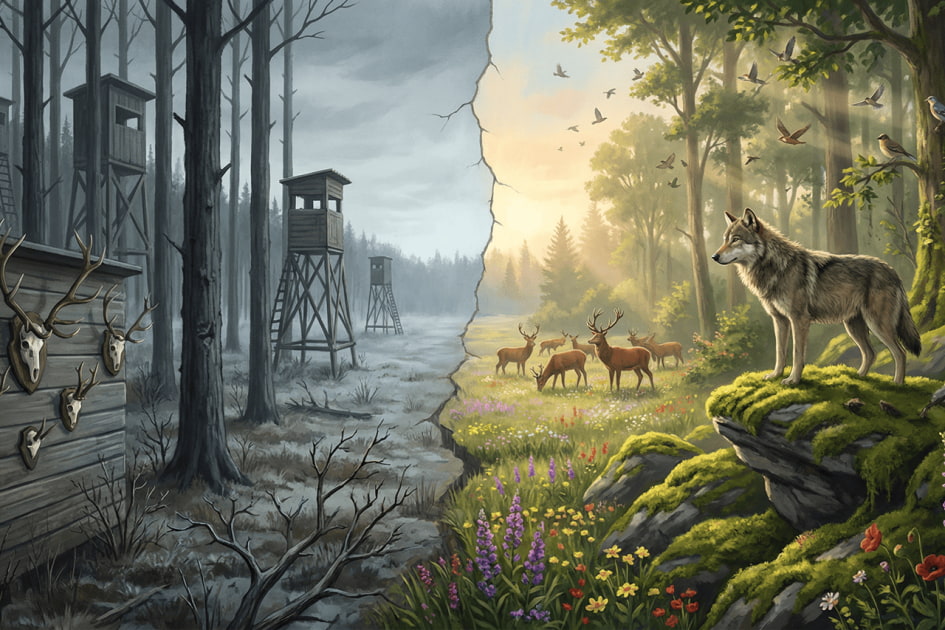
The species-rich mountain forest is at stake. This is where lynx and wolf can help. Only a No to the revised hunting law will protect the forest, the lynx, and the wolf.
Anyone who takes a closer look at the young trees in the mountain forest knows the score. Wildlife — meaning wild-living ungulates such as chamois, deer, and roe deer — has steadily increased since its eradication around 100 years ago. In itself, this is a welcome development. However, for over 25 years, wild animals have been crowding in such large numbers into vast stretches of forest that they are putting pressure on their own habitat. On as much as one third of Switzerland's forest area, natural tree regeneration has been entirely prevented or significantly impaired by browsing, bark stripping, and antler fraying. Particularly affected are sensitive tree species such as silver fir, lime, pine, and oak — species that a resilient forest will be especially dependent on in the face of climate change.
Recreational hunting alone is not enough to keep wildlife populations stable. Wildlife populations continue to grow steadily, and so do the resulting damage to the forest.

Unlike in the lowlands, forest regeneration in mountain forests proceeds slowly and is limited to three to six tree species. This sparse diversity in young growth is threatened by selective browsing by wildlife and, increasingly, by climate change. Yet precisely in times of change, we depend on diversity to be prepared for an uncertain future.





Mountain Forest: Lynx and wolf promote healthy young forest growth and save costs
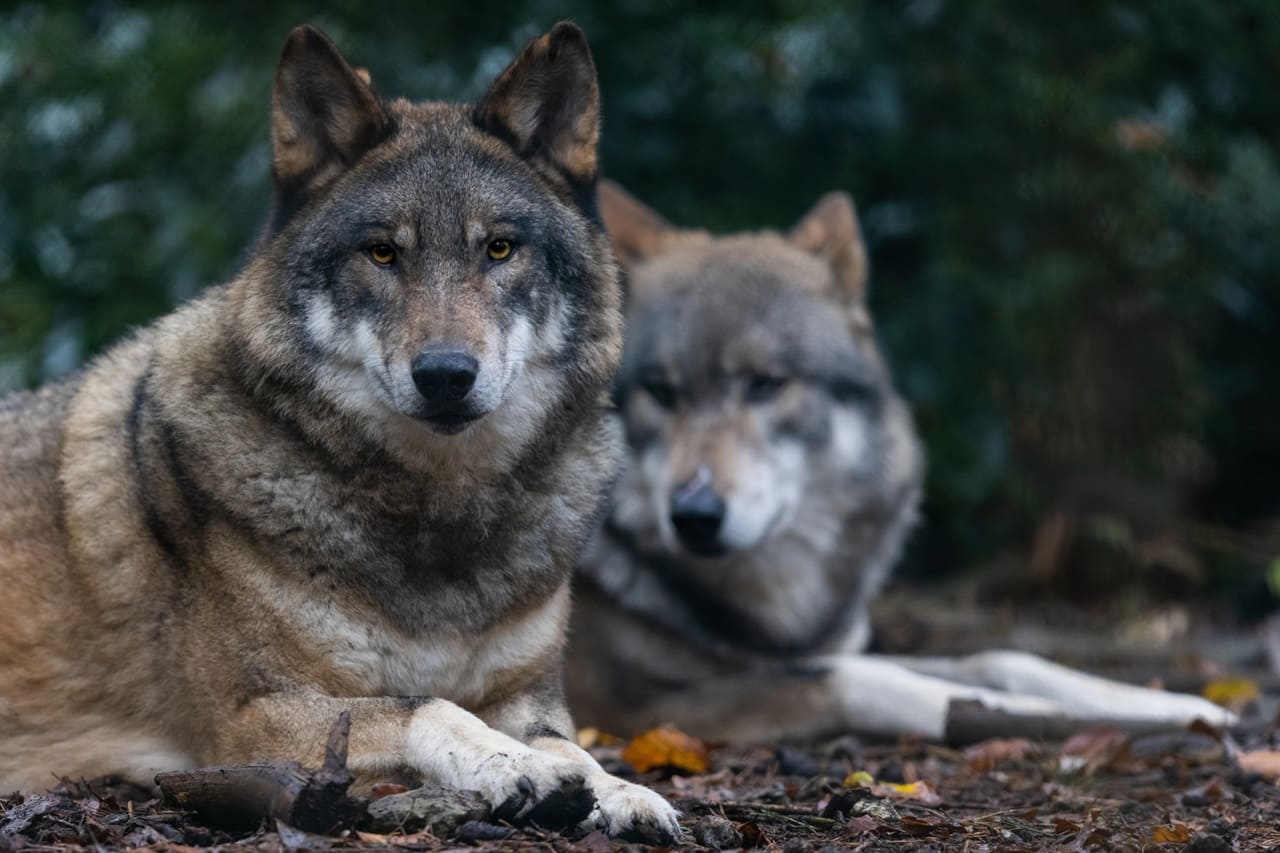
The wolves and lynxes that have now returned to the Alpine region have already led to a significant reduction in damage to forest regeneration within just a few years.
Striking: the high costs that the public sector incurs for preventing wildlife damage are not being addressed in the current vote. Wildlife fences, plastic star-shaped bud guards, chemical coatings, and polymer nets to cover bark generate annual costs running into the millions. Structural interventions as substitute measures are also threatening to cost millions of francs if the wildlife situation in protective forests does not change — for example in Riederwald VS, on the Rigi SZ, and in the Surselva GR.
What hundreds of Sunday hunters in Geneva used to do in an equally poor manner is today handled more exemplarily by 11 game wardens, alongside many other duties. With more game wardens intervening only therapeutically in cases involving fox, lynx, wolf, birds of prey, and so on, Switzerland too would once again have greater order, biodiversity, and protection from natural hazards.And the taxpayer would likely be spared hundreds of millions of francs that the federal government, cantons, and municipalities pump into the maintenance of protective forests in areas where problem hunters park and breed wildlife.
Forest and Cultural Landscape
The small mountain canton of Uri lies in the heart of Switzerland between Lake Lucerne and the Gotthard Pass. It has always been an important transit canton on the north–south axis.
Around 70 percent of the forests in the canton are protective forests. They shield local infrastructure from natural hazards such as avalanches and rockfalls. They are vital to the inhabitants of the valley and a prerequisite for safety on the heavily used motorway and rail line through and over the Gotthard.
Alongside the forests, the landscape is shaped by small-scale agriculture. For centuries, flatter areas have been mown and grazed, in some cases in extreme locations accessible only on foot and without machinery.
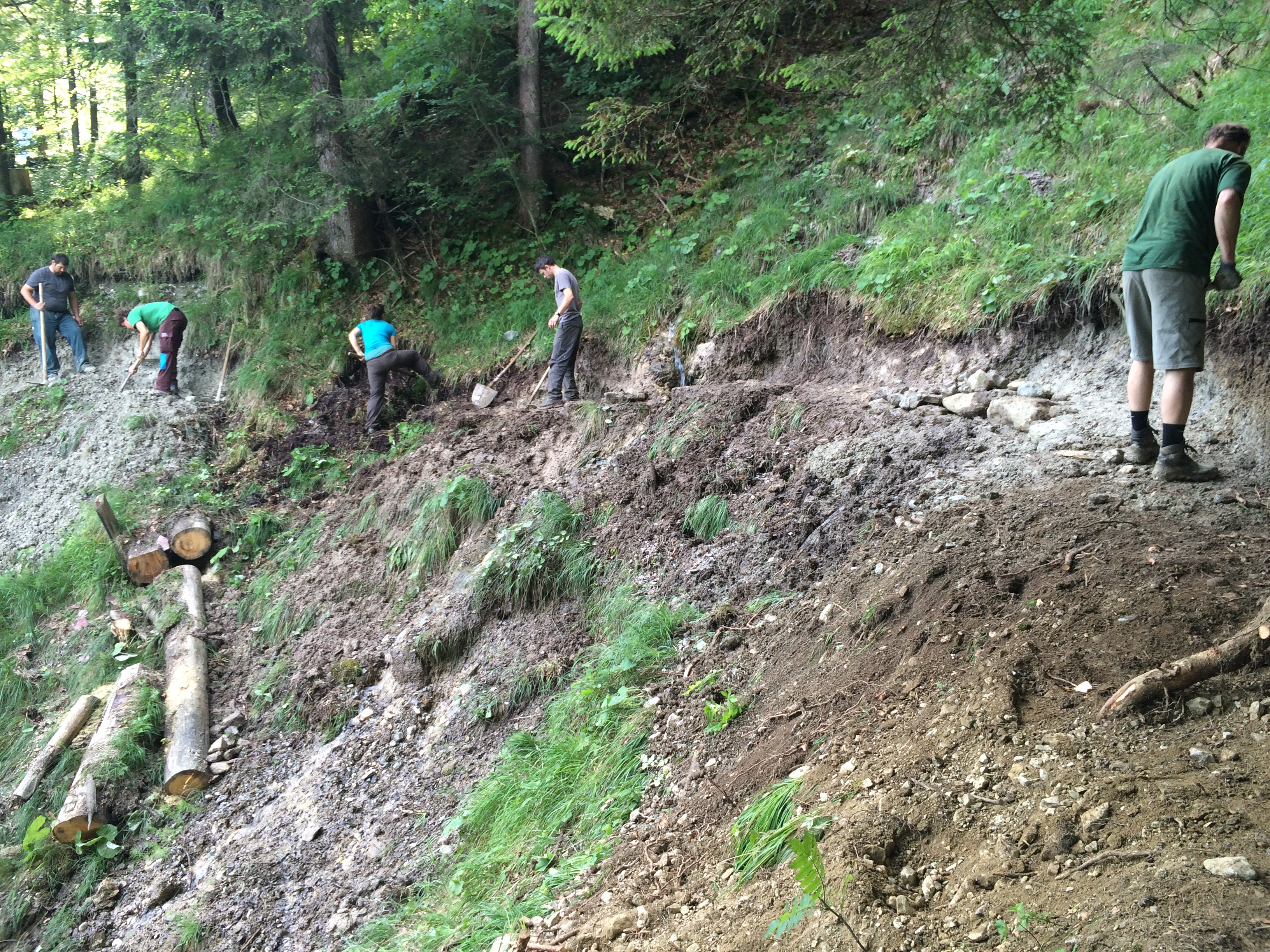
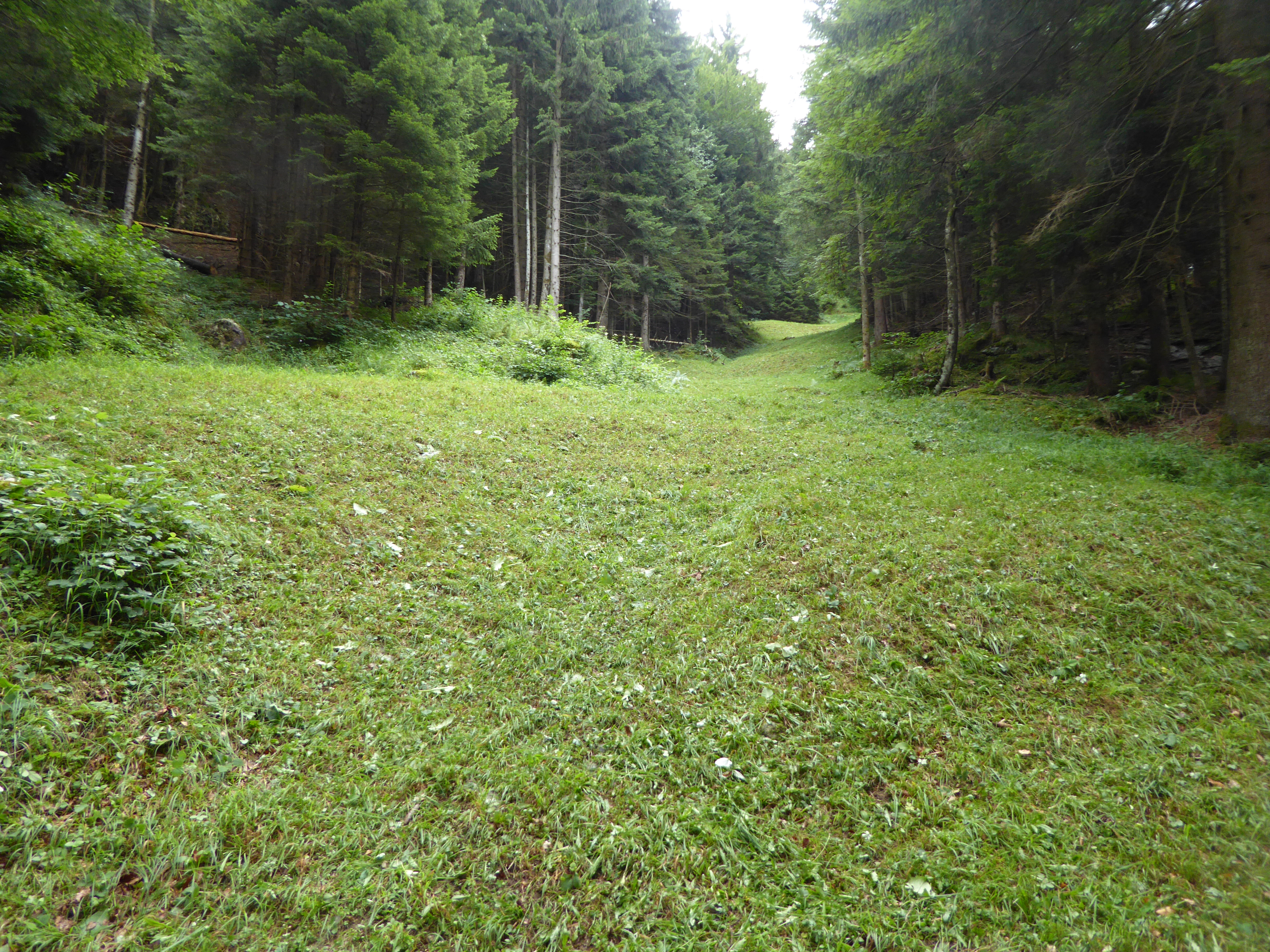
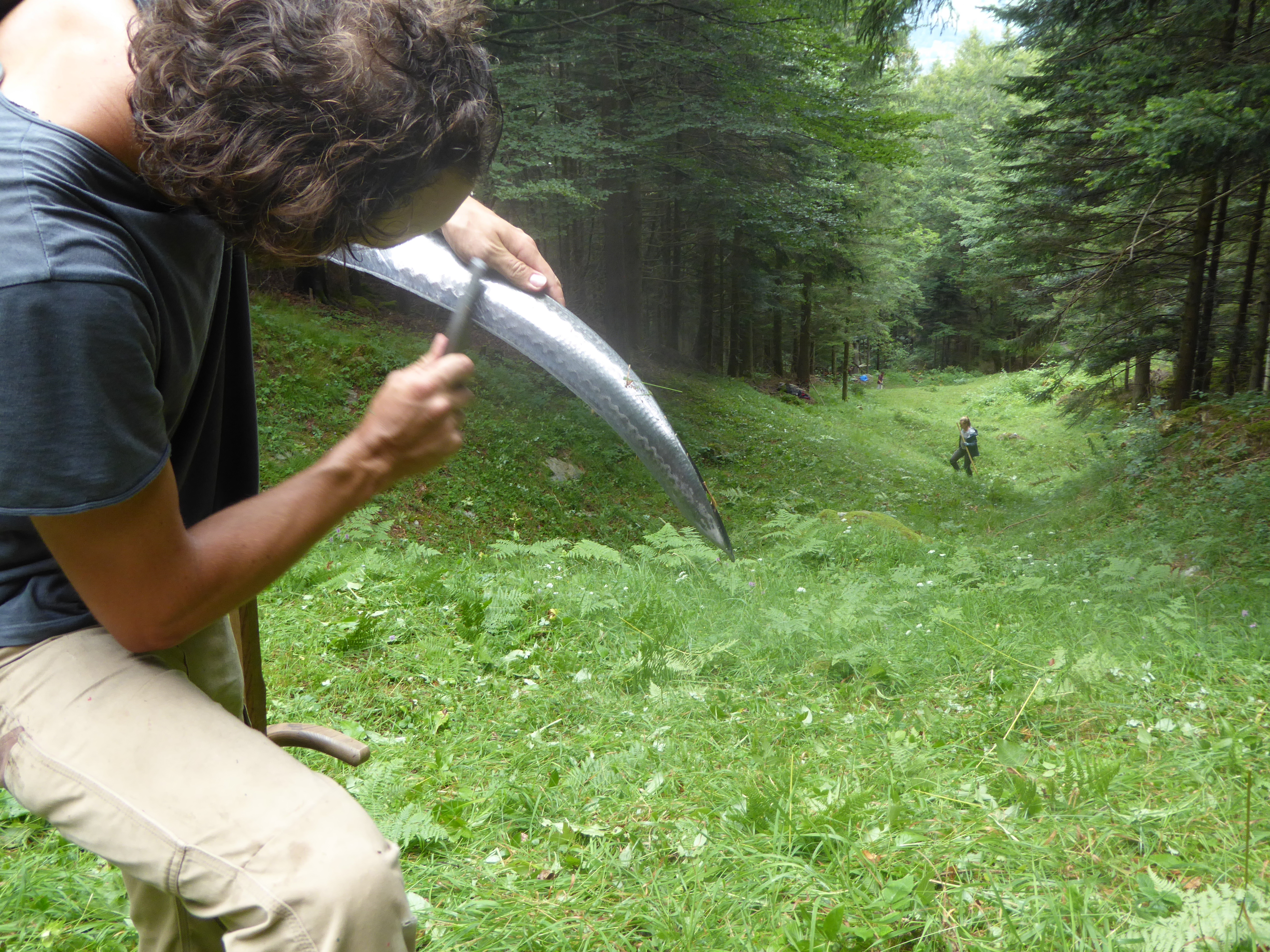
For 30 years, the Bergwaldprojekt has been active in various municipalities in the canton of Uri — this year in Bürglen, Erstfeld and Schattdorf. In Bürglen and Schattdorf, volunteer helpers are engaged in maintaining wildlife habitats. Small forest clearings are scythed open so that wild animals have enough food to find and are therefore not tempted to nibble on young trees. In addition, pasture areas are cleared of shrubs and other maintenance work is carried out. In Erstfeld, the volunteer workers are busy maintaining forest paths and cutting back young trees.
«We need the forest. It requires a great deal of care so that it protects us in the way we hope it will.»
Moni Hug, project leader of the Bergwaldprojekt in the canton of Uri
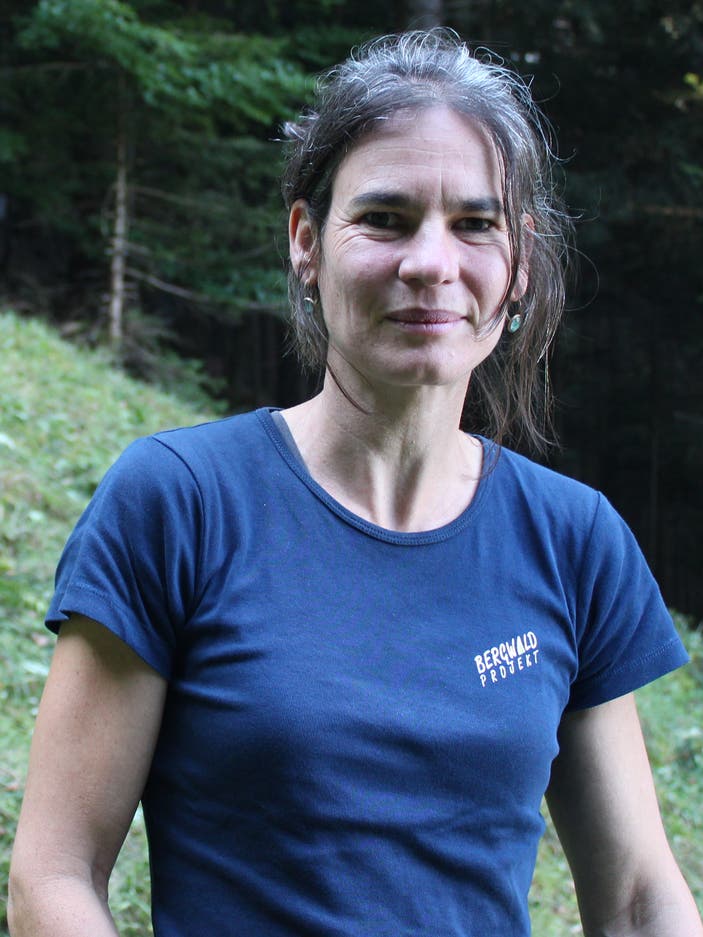
The forest engineer has been involved since 1993 and has been coordinating the work deployments in the canton of Uri since 2003. Her most important concern is to show volunteers that people are dependent on the forest.
Thirty years ago, Winter Storm Vivian severely damaged many protective forests — including several in the canton of Uri. This led mountain forest rangers to engage intensively from the 1990s onwards in documenting forest development and monitoring the success of their silvicultural activities.
The Bergwaldprojekt says a clear No to the hunting law – vote on 27 September 2020.
More on the subject of recreational hunting: In our dossiers on the criticism of recreational hunting gather fact-checks, analyses and background reports. The scientific evidence is presented in the overview Studies on the Effects of Recreational Hunting.
The position of IG Wild beim Wild: IG Wild beim Wild rejects recreational hunting. Our model is the canton of Geneva, which has managed without recreational hunting since 1974: without hunting seasons, without hunting dogs, without driven hunts, without high seats, without the animal cruelty and crime that go hand in hand with hunting season elsewhere. What has worked there for over fifty years disproves every position paper by JagdSchweiz. An association that bases its policy on claims it refutes in its own documents is not a professional organisation, but a factory for misinformation.