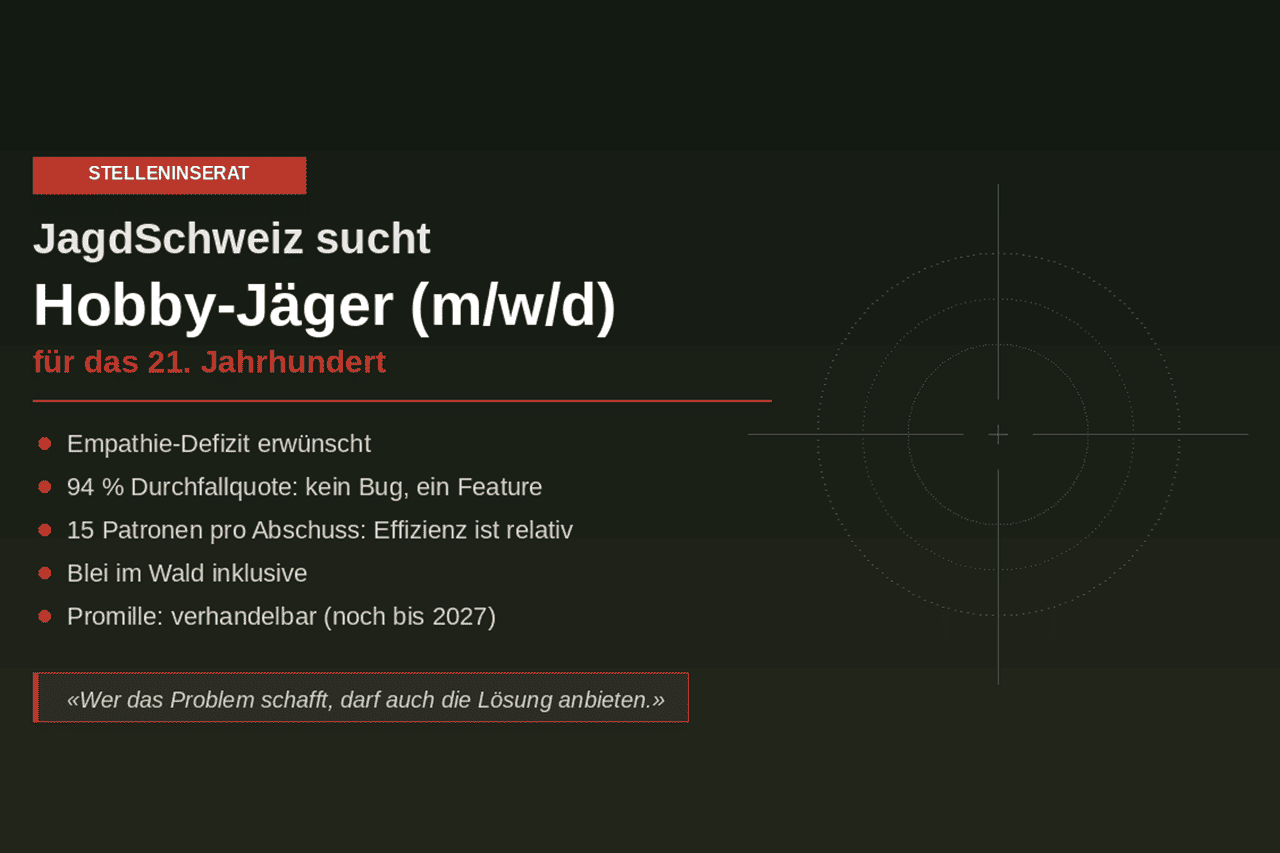
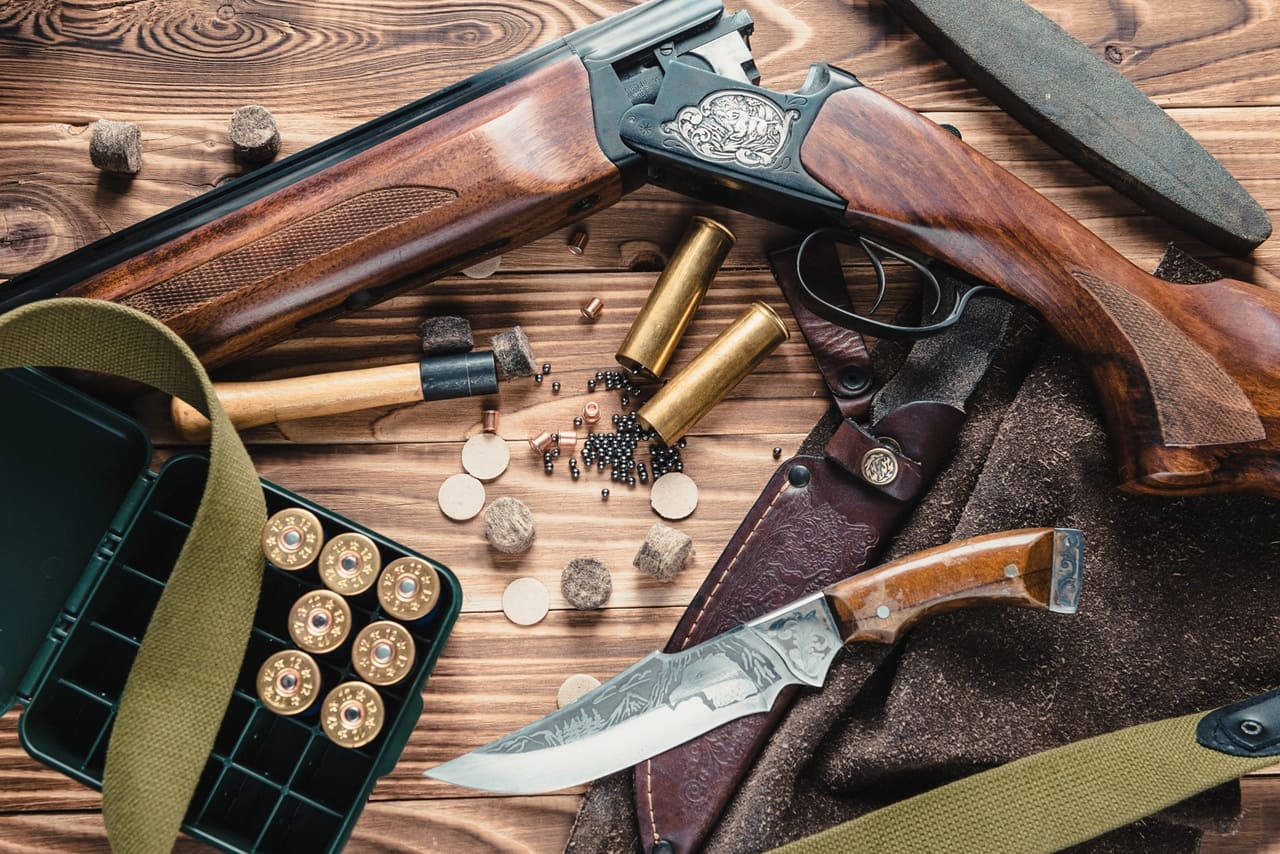
Hunting association claims right to kill for fun
The hunting law is also opposed by many responsible hunters who care deeply about the natural balance. The hunting law as it stands before us is not a compromise — no, it is a step backwards.


The NO committee — unlike the hunting association «Jagd Schweiz» — opposed the flawed hunting law but would have welcomed a sensible regulation on dealing with the wolf.
However, the revision turned into a completely incomprehensible attack on numerous species of protected animals. And this at a time of great concern for biodiversity! The abolition of federal powers regarding the culling of protected animals and new, ambiguous wording in the law undermine legal certainty and encourage arbitrary decisions. The law also does a disservice to the protection of mountain forests and agriculture.
Nobody on the NO committee — neither hunters, foresters, conservationists, nor the numerous members of parliament from all political camps (Greens, GLP, EVP, SP, representatives of the FDP) — would oppose a law that takes a measured approach to dealing with the wolf. Unfortunately, however, parliament had manoeuvred itself into a dead end, the committee writes in a press release.
„Instead of pragmatically regulating how to deal with the wolf, the new law weakens species protection in Switzerland. It is an attack on protected mammals and birds.“
Niklaus Gugger, National Councillor EVP (ZH)
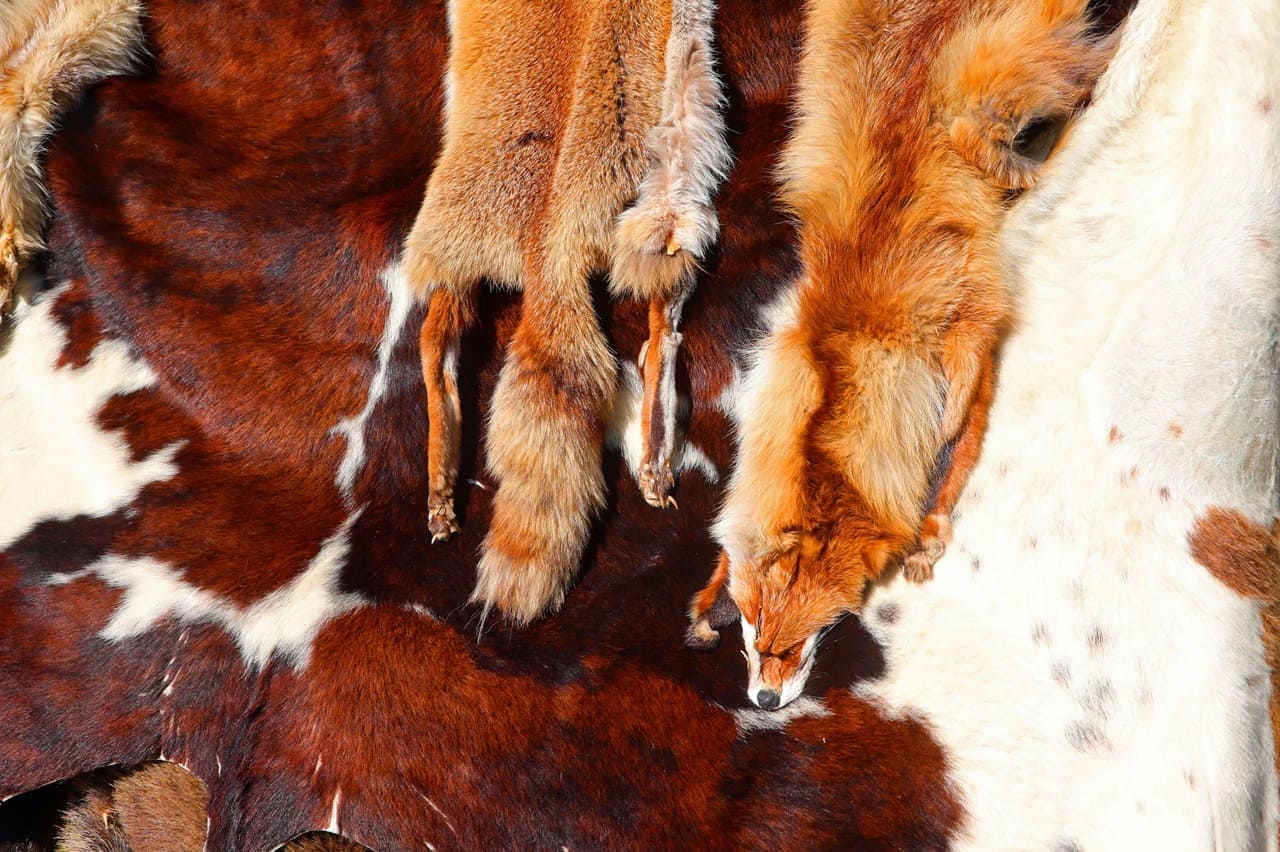
Under the flawed hunting law, lynx, beaver, mute swan, grey heron, wolf, otter, and others are threatened with being shot. And the endangered species black grouse, ptarmigan, woodcock, mountain hare, and brown hare continue to lack protection.
Undermining species protection and legal confusion
How far the revised Hunting and Protection Act has strayed from the balance of “hunting–protection–regulation” is illustrated by the fact that culls for population management are now permitted even in wildlife reserves. “The law effectively allows unlimited shooting opportunities”, concludes jurist and SP Council of States member Daniel Jositsch (ZH). According to Jositsch, the abolition of federal approval for the culling of protected species leads to a patchwork of protection levels for endangered animal species. Sustainable protection of rare species across cantonal and national borders becomes impossible as a result. Since wildlife does not respect cantonal boundaries, the protection of endangered species is fundamentally called into question.
Strengthen herd protection instead of selling culling as the solution
The protection of herds on the Swiss Alps is still in its infancy. Livestock keepers are left to bear half of the additional costs, and in many places negligence and ignorance compound the problem. Herd protection lacks the powerful lobby of the established farmers’ associations.
“Instead of standing up for the interests of alpine farmers and genuinely strengthening herd protection at every level, the farmers’ associations are trying to sell a flawed hunting law as the solution.”
FDP National Councillor Kurt Fluri (SO)
He is also troubled by the fact that the mere suspicion that animals could cause damage — and even without that damage needing to be particularly severe — should in future be sufficient to justify a cull.
Hunting of black grouse, ptarmigan, and brown hare is cemented into law
When a law is sold with the words “More protection for habitats and animals” or with “More safety for animals”,that lofty claim must be measured against the facts.According to Claire Richard, cantonal councillor and president of the glp (VD), this does not sit well with the continued permission for (trophy) hunting of black grouse or ptarmigan. The legislative revision also missed the opportunity to regulate hunting of endangered animals in a contemporary manner and to strengthen species protection more broadly.
A No vote in the interest of mountain and protective forests
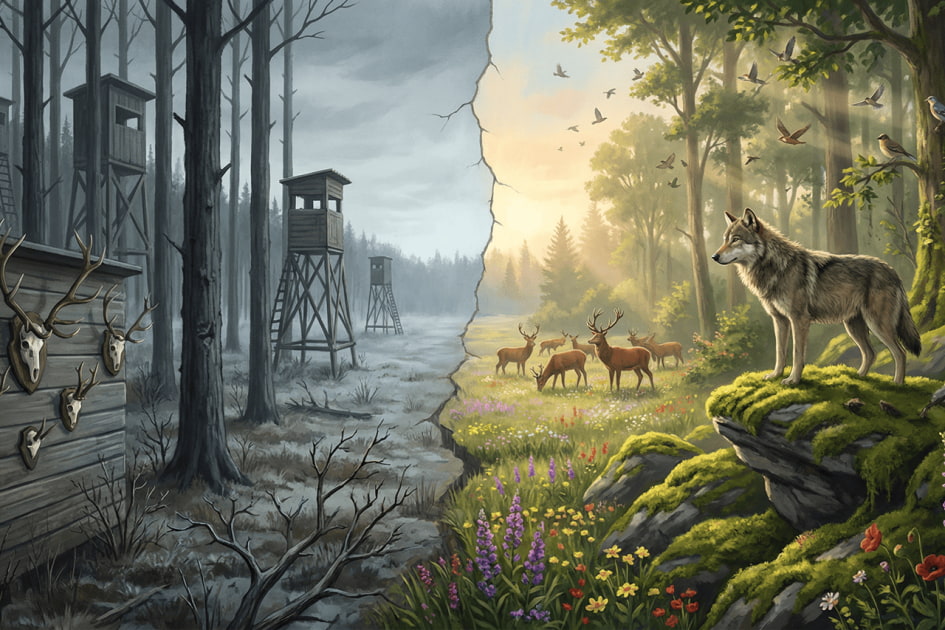
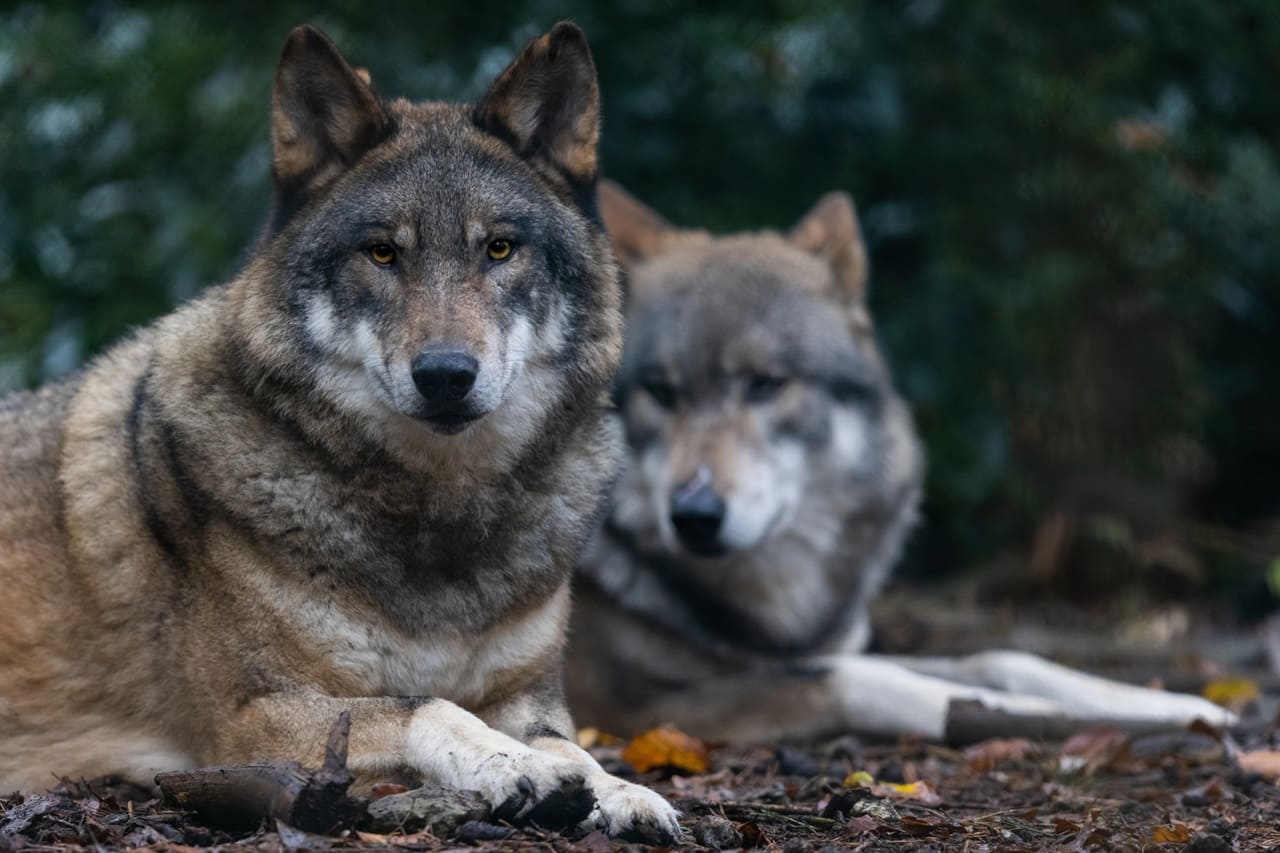
Today, foresters must invest endless effort and millions in protective measures to save young trees from devastating wildlife browsing — particularly in mountain areas. Thousands of wire cages and kilometers of fencing are required. None of this would be necessary. Christophe Clivaz, National Councillor for the Greens (VS), highlights the positive role of native predators the lynx and wolf, which naturally regulate ungulate populations. In this way, wolves and lynxes promote natural regeneration and support biodiverse, resilient mountain forests. Numerous foresters, the Swiss Forestry Association, and leading representatives of mountain forest management are campaigning for a NO.
"It is irresponsible to draft a law that weakens the protection of natural diversity."
Christophe Clivaz, National Councillor, Greens (VS)
Contested even among hunters
One example among many: the extension of the close season for the woodcock, praised by the Federal Council as an improvement, covers exactly those 30 days during which only 4% of all woodcocks are hunted. To adequately protect at least Switzerland's breeding birds from being shot by Swiss recreational hunters, the close season would have needed to be extended significantly further. Greta Gysin, National Councillor for the Greens (TI), comments: "The hunting law is also opposed by many responsible hunters who deeply care about the natural balance." The shooting of protected animals and the hunting of endangered species under this flawed law brings sensible hunters into disrepute. The hunting association believes it has a right to kill for sport. "The hunting law as it stands before us is not a compromise — no, it is a step backwards.“
Misleading labelling at nature's expense
The consultation process on the implementing ordinance for the new hunting law is already underway. The Federal Council is marketing it under the label "More protection for habitats and animals". The mute swan already appears on the ordinance's shooting list, because parliament compelled the Federal Council to include it via a motion. The beaver, lynx, and grey heron could soon face the same fate.Despite the Federal Council's claims to the contrary, the ordinance cannot, of course, correct the deterioration in wildlife protection that the revised law introduces.Culling for population management is now also permitted in protected areas — something that was previously prohibited. The currently valid obligation to take damage prevention measures before culling has been removed, and so on. The Federal Council even goes one step further in the ordinance by attempting, without any justification whatsoever, to abolish the protection of swift and swallow nests for the coming breeding season. Our country truly deserves the opportunity to create better hunting legislation through both law and ordinance. Anyone who promotes this flawed law under the title “More Protection for Habitats and Animals” is engaging in false advertising. To achieve this, a No vote on 27 September is needed first, explains Nik Gugger, National Councillor EVP, ZH.

A No vote in favour of modern hunting legislation for the whole country
A No vote on 27 September, the committee emphasises, is in the interest of all of Switzerland. It opens the door to a progressive, protection-oriented hunting law.
More on the subject of recreational hunting: In the dossier The Role and Criticism of Recreational Hunters we shed light on the training, power and self-image of recreational hunters. The scientific evidence is presented in the overview Studies on the Effects of Recreational Hunting.
The position of IG Wild beim Wild: IG Wild beim Wild rejects recreational hunting. Our model is the canton of Geneva, which has managed without recreational hunting since 1974: without hunting seasons, without hunting dogs, without driven hunts, without high seats, without the animal cruelty and crime that go hand in hand with hunting season elsewhere. What has worked there for over fifty years disproves every position paper by JagdSchweiz. An association that bases its policy on claims it refutes in its own documents is not a professional organisation, but a factory for misinformation.