How Wildlife Survives Even Freezing Cold in Winter
Wildlife has developed remarkable strategies to survive freezing cold. Hibernation, winter dormancy, and thick fur all help them survive.

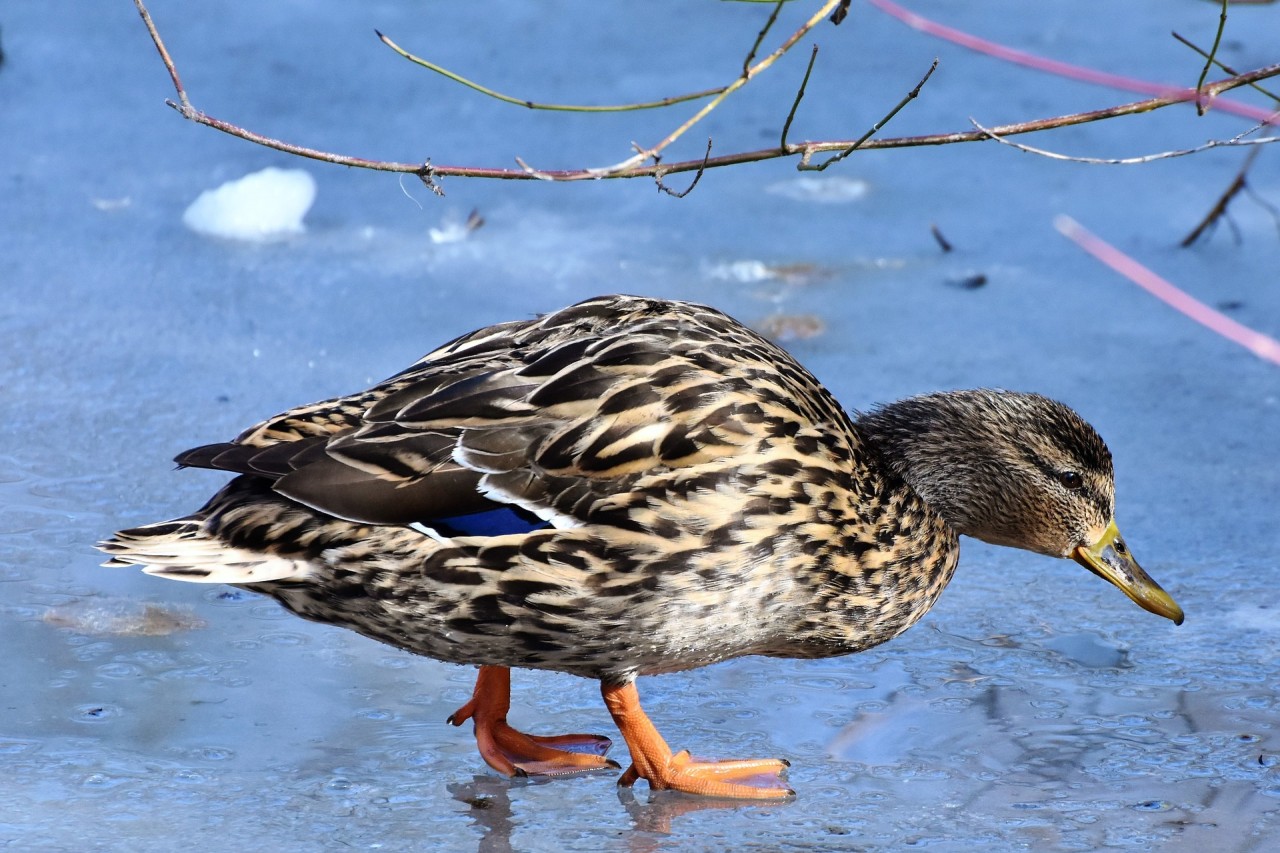
Ducks always have cold feet! “Luckily for waterfowl,” says Eva Goris, press spokesperson for the Deutsche Wildtier Stiftung. “That's why they can stand on frozen ponds without getting stuck to the ice.” Behind the trick of cold feet lies a special circulatory system: only a small amount of blood flows from the body into the birds' feet, and this blood cools on its way down from around 40 degrees to just six degrees. Cold feet are just one survival strategy that wildlife uses in freezing temperatures.
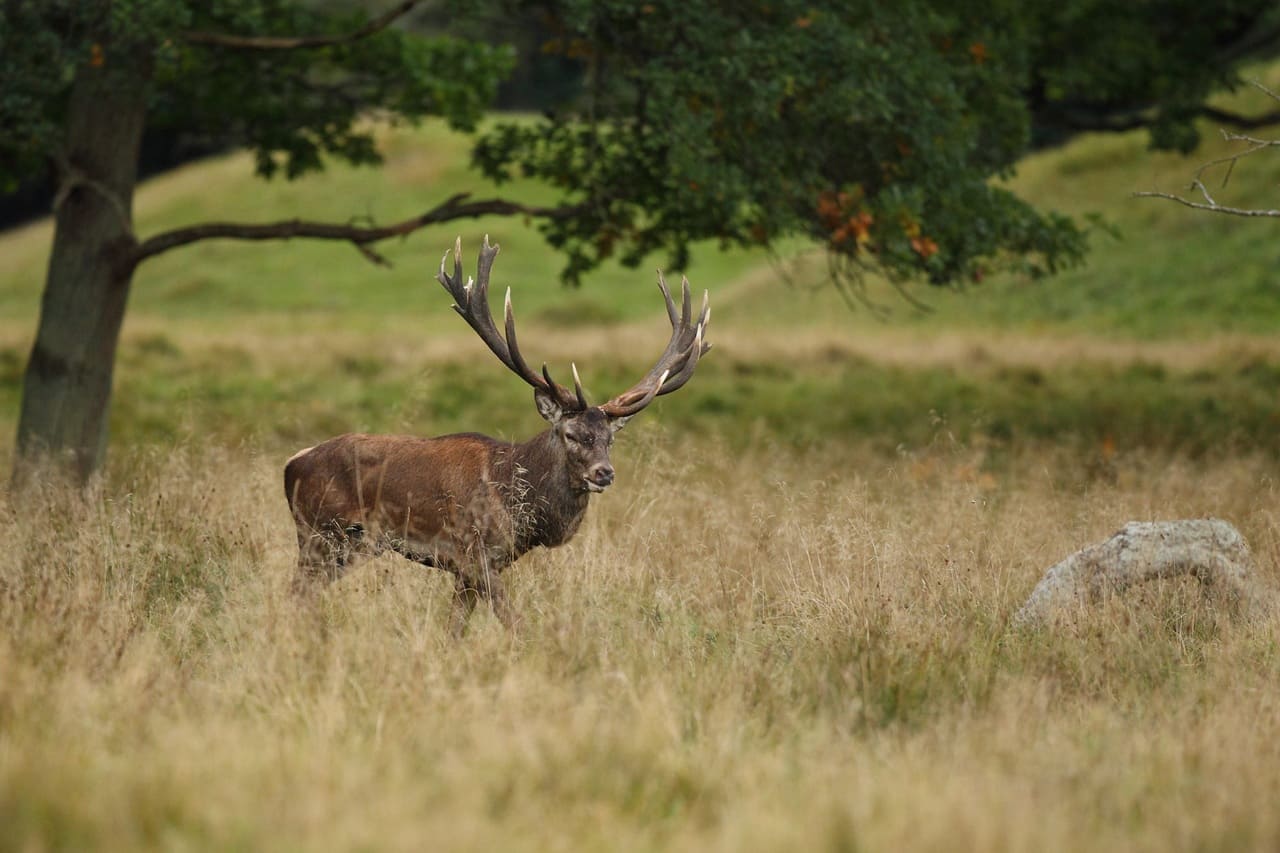
Red Deer: Stomach Shrinkage as a Calorie Saver
“The red deer gets through winter during food-scarce periods by shrinking its stomach,” says Goris. “Its rumen now holds 60 percent less food than in autumn, when there is plenty to eat.” The reduction of the digestive tract and the slowing of metabolism make the red deer an ideal calorie saver in winter.
Performance Clothing from the Animal Kingdom
The cold spell continues to grip Germany. Temperatures are plummeting below freezing, and anyone venturing outside is often wearing breathable performance clothing with air-filled membranes that offer particularly effective insulation against the cold. “Wildlife does exactly the same thing,” says Goris from the Deutsche Wildtier Stiftung. Hares grow cold-resistant wool hairs that also insulate against the cold through air pockets within their coat. The guard hairs of wild boar are longer than in summer. Beneath them, short, dense underfur provides protection, and air chambers in the wild boar's coat prevent body heat from escaping. “The principle behind our outdoor performance clothing was invented in the animal kingdom,” says Eva Goris. Birds are masters of air-based insulation: they simply puff up their feathers. Wild boar, like other wildlife, have also built up a thick layer of fat. “When the cold saps the body's strength, the motto is: the fat ones make it through!”
Antifreeze and Fur
Mosquitoes have a completely different strategy. They survive by shrinking themselves fit for winter! “They excrete excess body fluid and incorporate a kind of antifreeze into the remaining cell fluid. Then they fall into a kind of cold torpor,” says the expert. This allows fertilized females to survive even icy winters. The otter can defy the cold with a particularly dense coat: “50’000 hairs grow on an area roughly the size of a thumbnail,” says Goris. With such a beautiful fur coat, even the cold season is bearable! More fascinating articles can be found in the category Wildlife.
More on the subject of recreational hunting: In our dossiers on recreational hunting gather fact-checks, analyses and background reports. The scientific evidence is presented in the overview Studies on the Effects of Recreational Hunting.
The position of IG Wild beim Wild: IG Wild beim Wild rejects recreational hunting. Our model is the canton of Geneva, which has managed without recreational hunting since 1974: without hunting seasons, without hunting dogs, without driven hunts, without high seats, without the animal cruelty and crime that go hand in hand with hunting season elsewhere. What has worked there for over fifty years disproves every position paper by JagdSchweiz. An association that bases its policy on claims it refutes in its own documents is not a professional organisation, but a factory for misinformation.