Hunting Magazine Disregards Fair Chase Ethics
The Deutsche Jagdzeitung calls for an animal welfare-violating «nationwide fox hunting week» and lures recreational hunters with medals for killed foxes.


The Deutsche Jagdzeitung (DJZ) is calling for an animal welfare-violating, unethical, and above all ecologically questionable «nationwide fox hunting week».
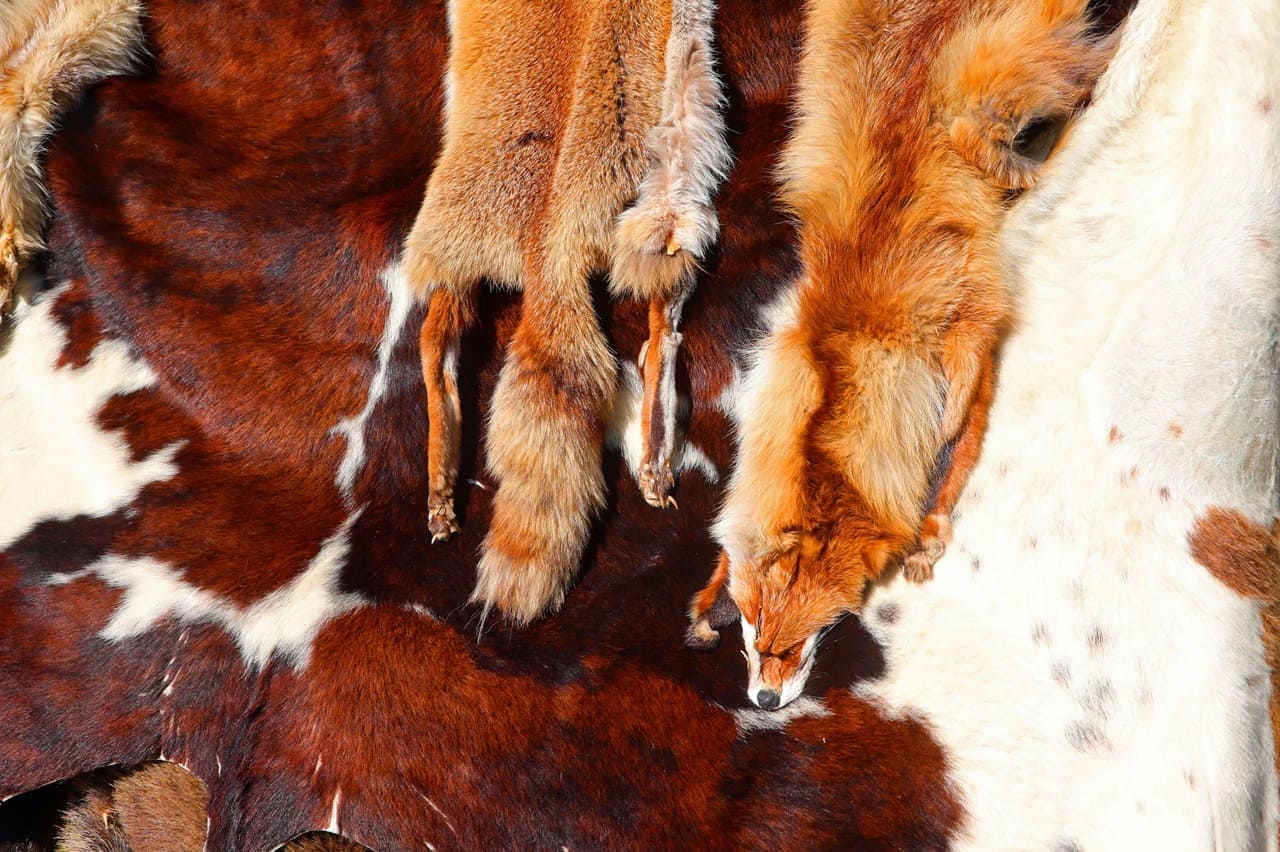
Recreational hunters are even being enticed and rewarded with medals for certain achievements. Among other things, it states: «So don’t miss the chance to be the first Hegemeister of this event, which may one day become known as a traditional occasion!». Furthermore, «the largest fox skull is being sought». The submission of the largest fox skull wins «a custom-made fox muff» made from personally hunted fox pelts.
Fox hunting is ecologically unnecessary
The circumstances and reasons under which the fox is to be hunted are, from a wildlife biology, ecological, legal, ethical, and even hunting perspective, completely wide of the mark. Recreational hunting of foxes in Germany can neither be justified nor made defensible through such an initiative.
The Deutsche Juristische Gesellschaft für Tierschutzrecht e. V. (DJGT e. V.) published a 51-page study in January of this year entitled «Fox Hunting in 2021 – Evidence of an Outdated Understanding of Hunting», which exposes the ¬incompatibility with the constitutionally enshrined state objective of animal welfare» with regard to the fox.
The newspaper’s article states that the editorial team welcomes even higher kill numbers than the previous seasonal hunting average of 400,000 to 500,000 individuals, and that the initiative «nationwide fox hunting week» is intended to help achieve this goal. It remains unclear how this is compatible with the principles of fair chase ethics, which also represent an expression of the ‘reasonable grounds’ requirement under the Animal Welfare Act, among other things.
Luxembourg as a Role Model
The citizens' initiative Pro Fuchs Deutschland e.V. has published various studies on the red fox and demonstrates through scientifically grounded research that recreational hunting of foxes in Germany is unnecessary. The until now almost year-round recreational hunting of this highly socially active species should also be brought to an end in Germany through legislative changes. The recreational hunting of the red fox is of no sustainable relevance either for population regulation or for the protection of ground-nesting birds and small game.
Various zoonotic diseases such as Lyme disease and leptospirosis are actually kept in check by this predator. The best example of this is our neighboring country Luxembourg, where this opportunistic feeder has no longer been hunted since 2015 and is protected by law.
An appeal to reason
Once again, the complete indifference of recreational hunters toward genuinely natural selection within our wildlife populations is on full display. Fox hunting is regarded by recreational hunters as relevant to nature and species conservation. Yet hunting Europe's most widespread wild canid is neither necessary nor productive from an ecological, wildlife biology, or nature and species conservation law perspective.
The wildlife protection association — umbrella organization for wildlife conservation — appeals to the reason of all recreational hunters not to participate in such a disrespectful and animal welfare-violating promotion. Even if you consider recreational hunting of foxes in Germany to be absolutely necessary, distance yourself clearly from such reprehensible competitions, in which the suffering of many individual animals under increased hunting pressure is already a foregone conclusion.
The wildlife protection association will examine and consider taking legal action against the magazine.
There is no place in a highly complex, sensitive overall ecosystem of forest and wildlife — which must be respected, protected, and restored in the very interest of human survival — for the approximately 400,000 recreational hunters who view their manifold interventions in nature and the wild primarily as leisure entertainment. Recreational hunting of numerous wildlife species is already unlawful under current law, as it lacks a “reasonable justification” within the meaning of § 17 No. 1 of the Animal Welfare Act.
More on the subject of recreational hunting: In the dossier Psychology of recreational hunting we put research, motives and social consequences into perspective. What the research says about this is shown by Hunting fact-checked: the state of research.
The position of IG Wild beim Wild: IG Wild beim Wild rejects recreational hunting. Our model is the canton of Geneva, which has managed without recreational hunting since 1974: without hunting seasons, without hunting dogs, without driven hunts, without high seats, without the animal cruelty and crime that go hand in hand with hunting season elsewhere. What has worked there for over fifty years disproves every position paper by JagdSchweiz. An association that bases its policy on claims it refutes in its own documents is not a professional organisation, but a factory for misinformation.