Marmot on the Menu: Violence on the Plate
How a restaurant in Valais demonstrates that passion for hunting and animal ethics remain incompatible.

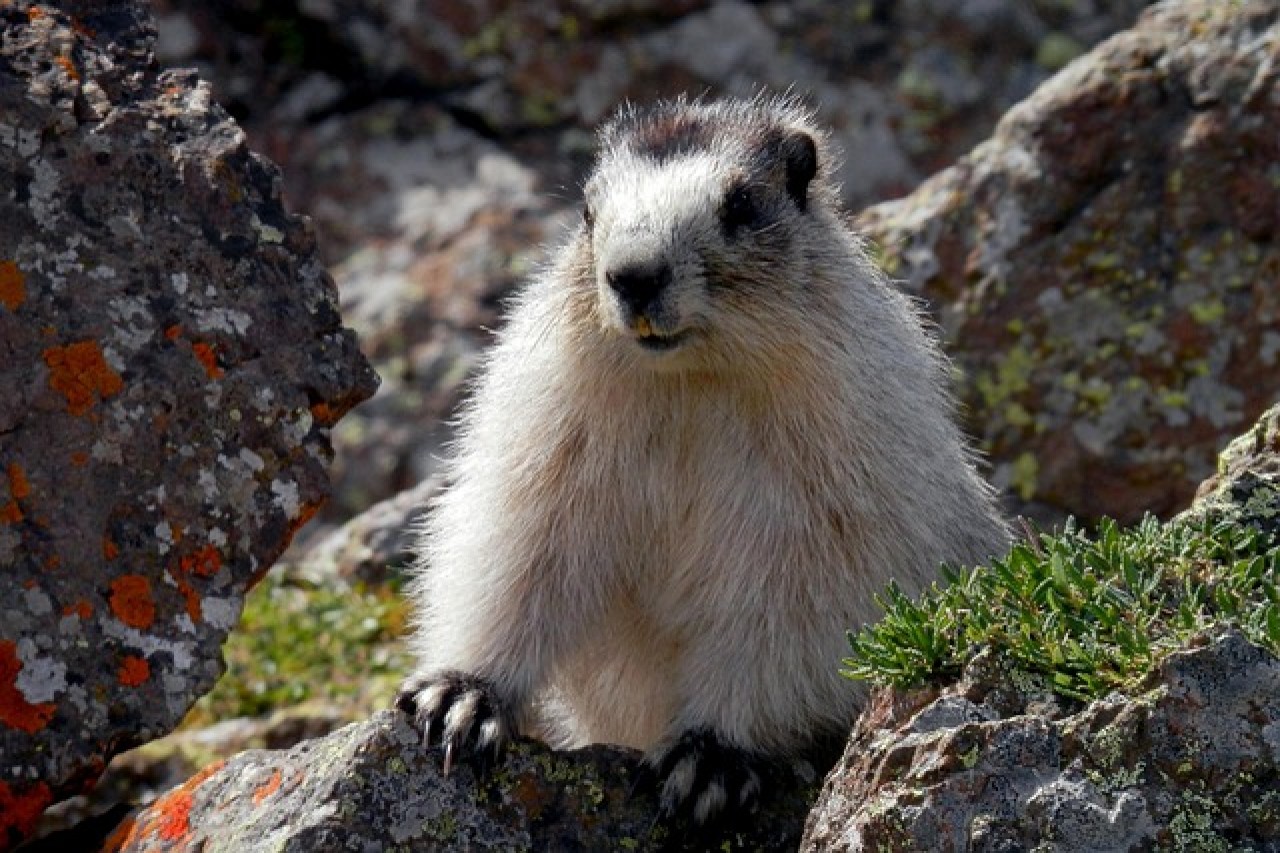
The recent case of a restaurant in Nendaz that offered marmot meat (“Marmotte à la royale”) and was subsequently overwhelmed by critical online reactions is more than a local anecdote.
It is a symptom. A symptom of a society in which wild animals are still treated as resources despite the biodiversity crisis, climate change and the ongoing extinction of species — as commodities, as decoration on menus, as hunting trophies.
From the perspective of ethical consideration, the debate about “false reviews,” “shitstorms,” or “reputational damage” is a sideshow. The core moral question is: Why is marmot meat still being served in 2025 at all?
The normalisation of violence — a familiar pattern
Hunting associations, restaurateurs and parts of the political establishment have been repeating the same narrative for years: game meat is “natural,” “regional,” “sustainable.” Hunting is “population management.” And the consumption of wild animals is “tradition.” But tradition does not legitimise violence. And “population management” is a euphemism for the routine killing of sentient beings whose habitats have been thrown out of balance in the first place by human intervention.
The marmot — an animal that builds up winter fat reserves, lives socially, communicates and emits warning calls for its group — is reduced in public discourse to two roles:
- agricultural “pest”
- culinary curiosity
Both roles serve the same purpose: to justify the killing.
From Alpine idyll to the gunshot — the reality behind the plate
Behind every game dish stands:
- an animal that had no chance to flee
- a shot that is frequently not lethal (wounding rates of up to 50% are documented)
- a living being that suffers in panicked fear
- an ecosystem that is disrupted (parents are killed, young animals starve in their burrows)
The fact that a restaurant then markets this as a “regional delicacy” by chef Adrien Lopez and expects guests to applaud for it is an expression of a fundamental ethical imbalance.
The digital backlash
Many negative reviews — whether justified or not — arose because people simply cannot bear the image of a marmot in a cooking pot.
And it must be stated clearly: this discomfort is healthy. It is a moral reflex. It shows that more and more people understand that “wild game dining” is nothing romantic, but an act of violence.
Recreational hunters supply the goods. The restaurant industry provides the disrepute. Together they normalise a system that instrumentalises wild animals.
The fact that a restaurant is now complaining about being criticised online reveals above all one thing:
Society’s tolerance for the exploitation of animals is declining — and that is a good thing.
- Wild animals are not products
No matter how “regional” or “traditional” — an animal’s life is not a menu item. - Hunting is not nature conservation, but violence
The ecological damage far exceeds the alleged benefits. - The public is becoming more sensitive
More and more people see marmots, roe deer, or red deer not as “game meat”, but as sentient individuals. - The restaurant industry must take responsibility
Anyone who puts wild animals on the menu should expect criticism — and not only because of Google reviews, but because of fundamental ethical questions.
The marmot affair is a wake-up call. Not because a restaurant has an image problem. But because we must ask ourselves why animals are still being killed to end up as a “speciality” in an era of plant-based alternatives.
The outrage is not the scandal. The scandal is that marmots are still being shot. And that is precisely what should be at the centre of any serious debate.
| You can help all animals and our planet with compassion. Choose empathy on your plate and in your glass. Go vegan. |
More on the subject of recreational hunting: In our dossiers on the criticism of recreational hunting gather fact-checks, analyses and background reports. What the research says about this is shown by Hunting fact-checked: the state of research.
The position of IG Wild beim Wild: IG Wild beim Wild rejects recreational hunting. Our model is the canton of Geneva, which has managed without recreational hunting since 1974: without hunting seasons, without hunting dogs, without driven hunts, without high seats, without the animal cruelty and crime that go hand in hand with hunting season elsewhere. What has worked there for over fifty years disproves every position paper by JagdSchweiz. An association that bases its policy on claims it refutes in its own documents is not a professional organisation, but a factory for misinformation.